The Ganja-Gazakh region is considered one of the ancient cultural centers of Azerbaijan, characterized by its rich historical, archaeological, and architectural heritage. Scientific research conducted on numerous monuments located within the region holds paramount importance for the study of the country’s ancient history.
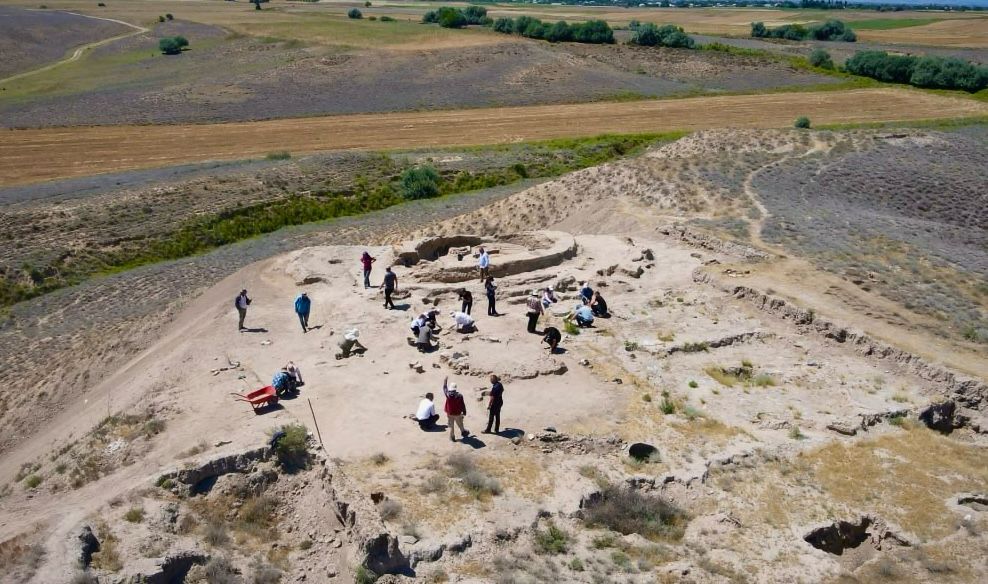
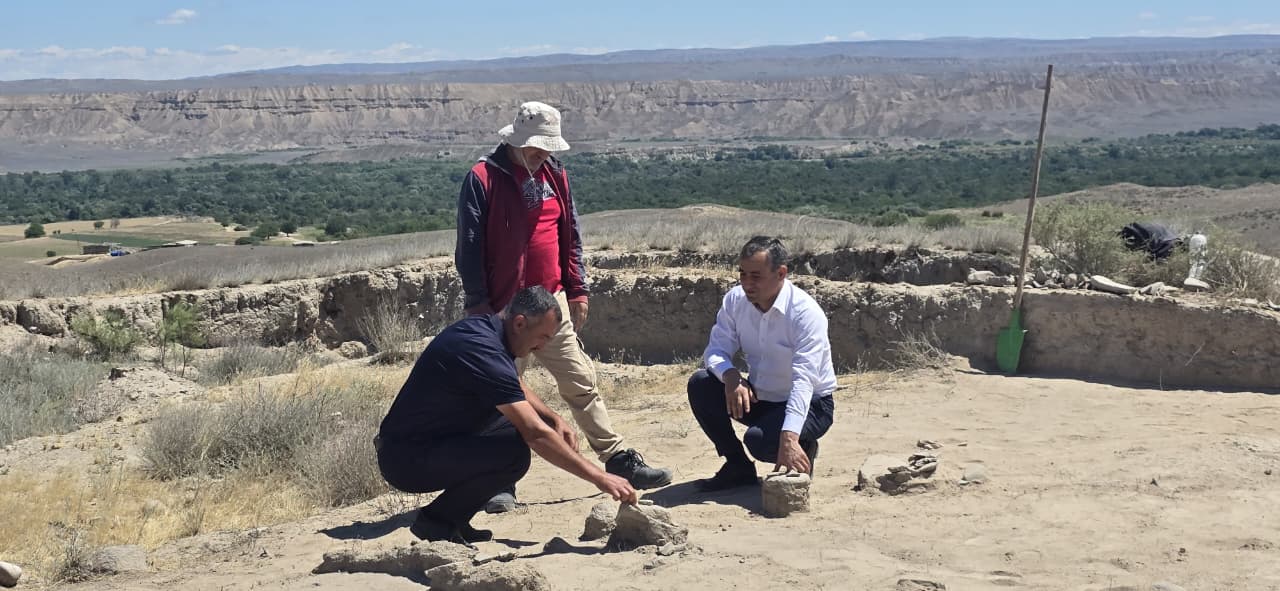
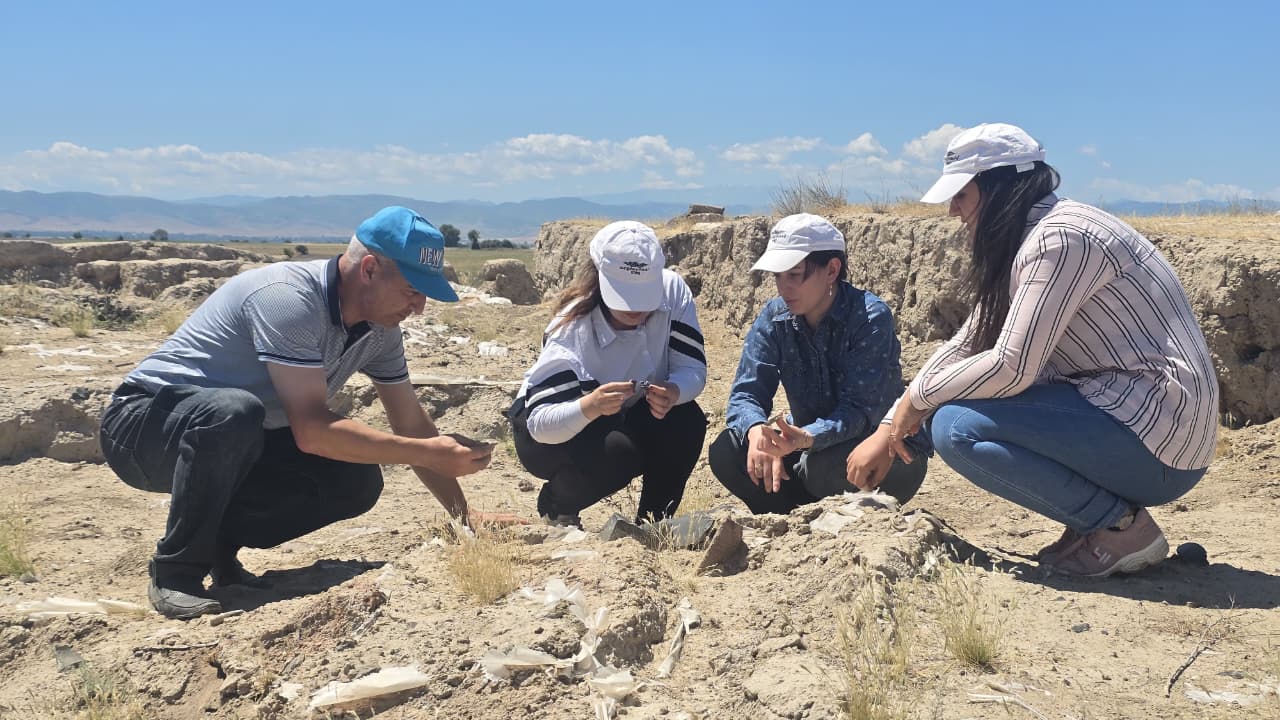
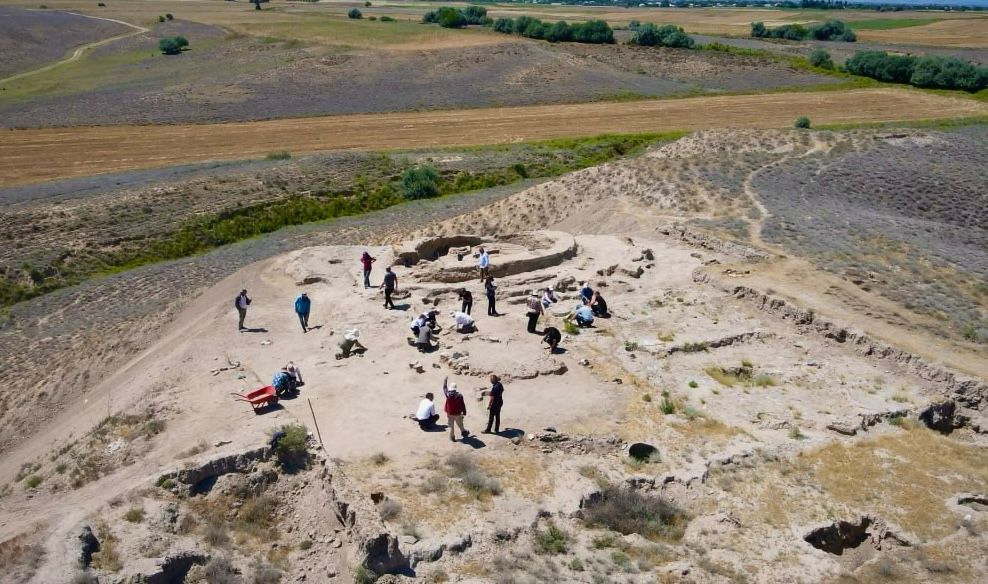
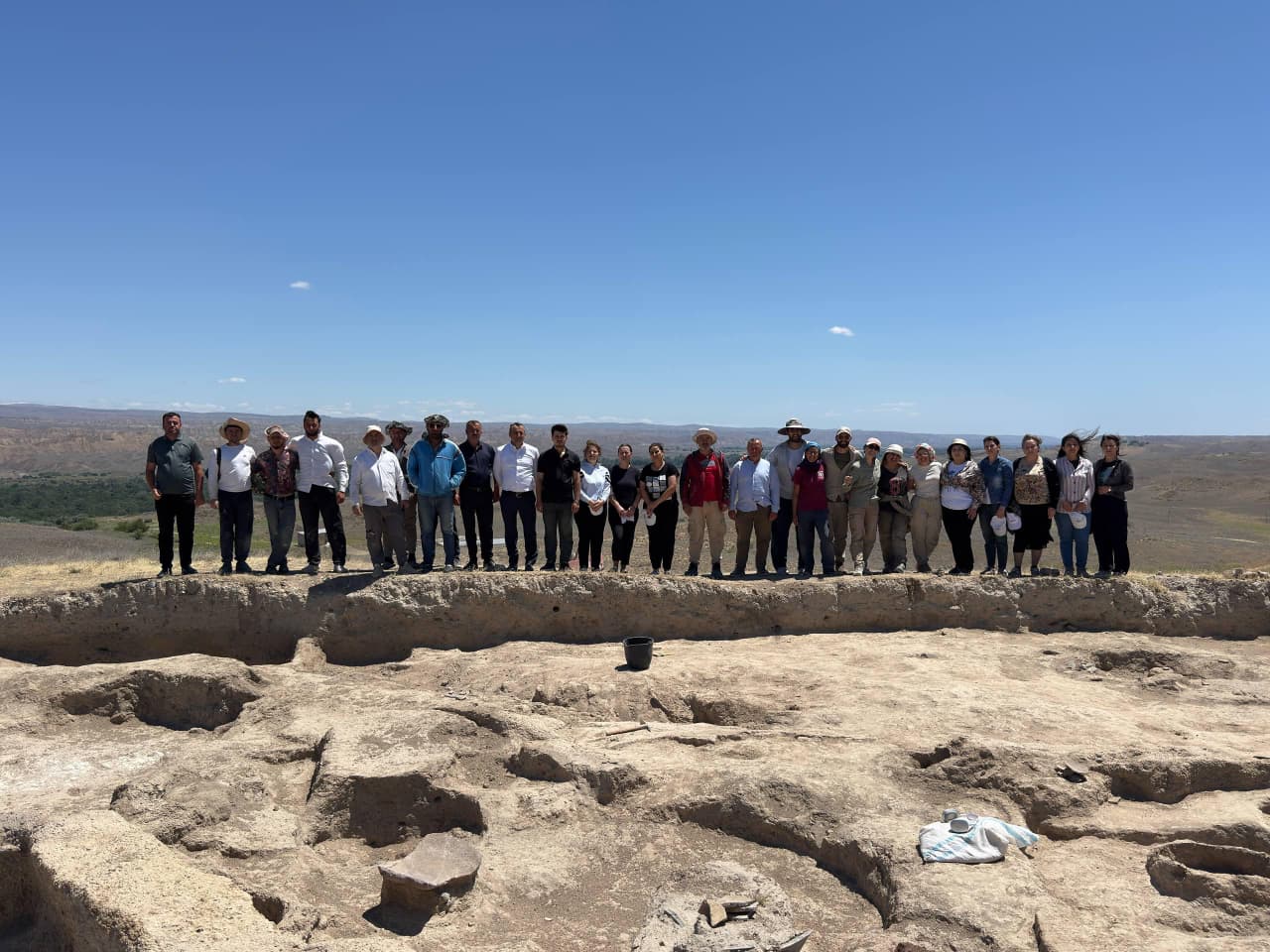
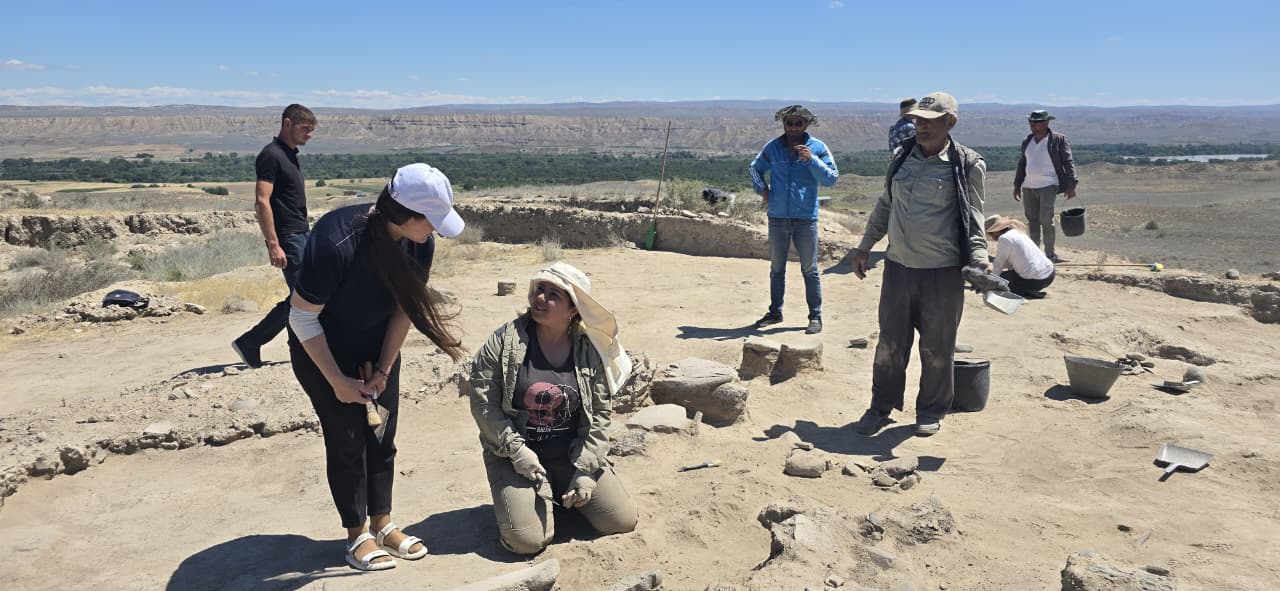
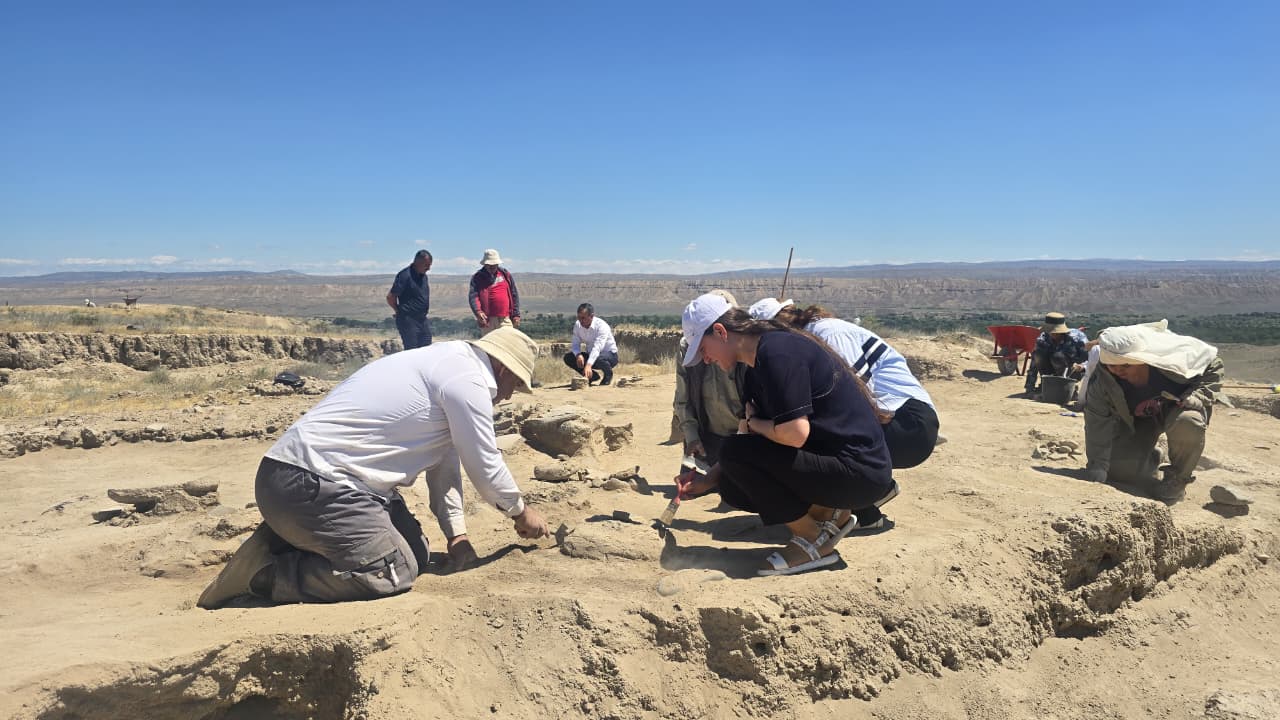
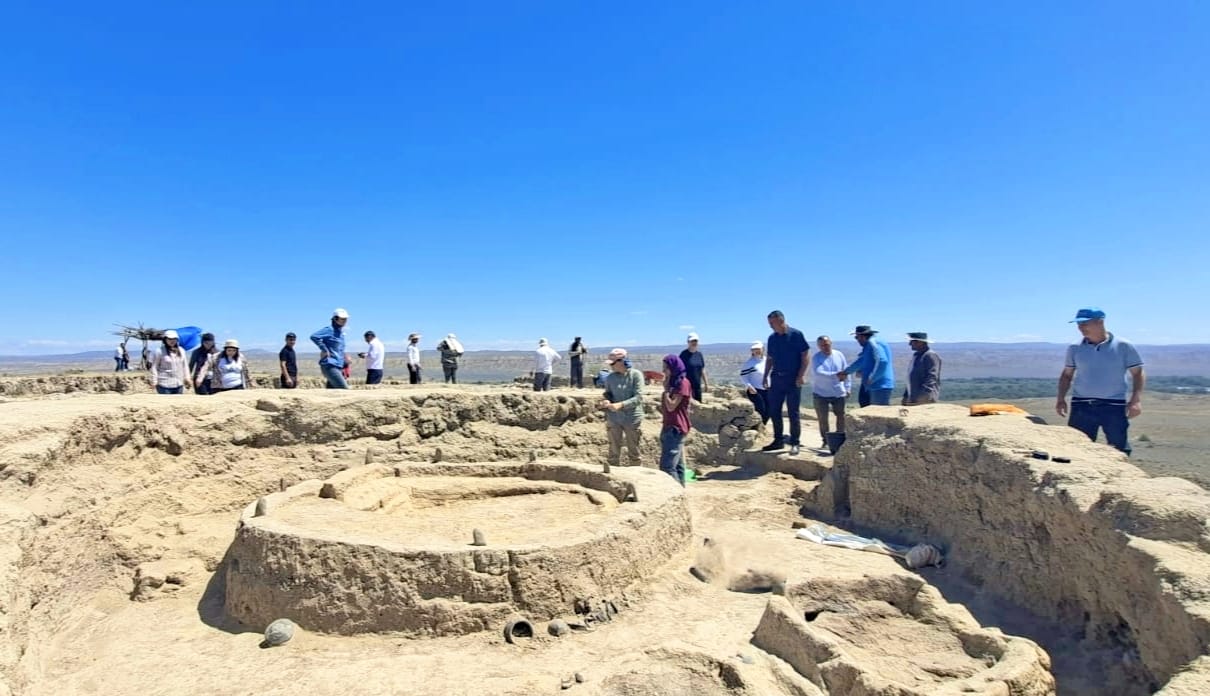
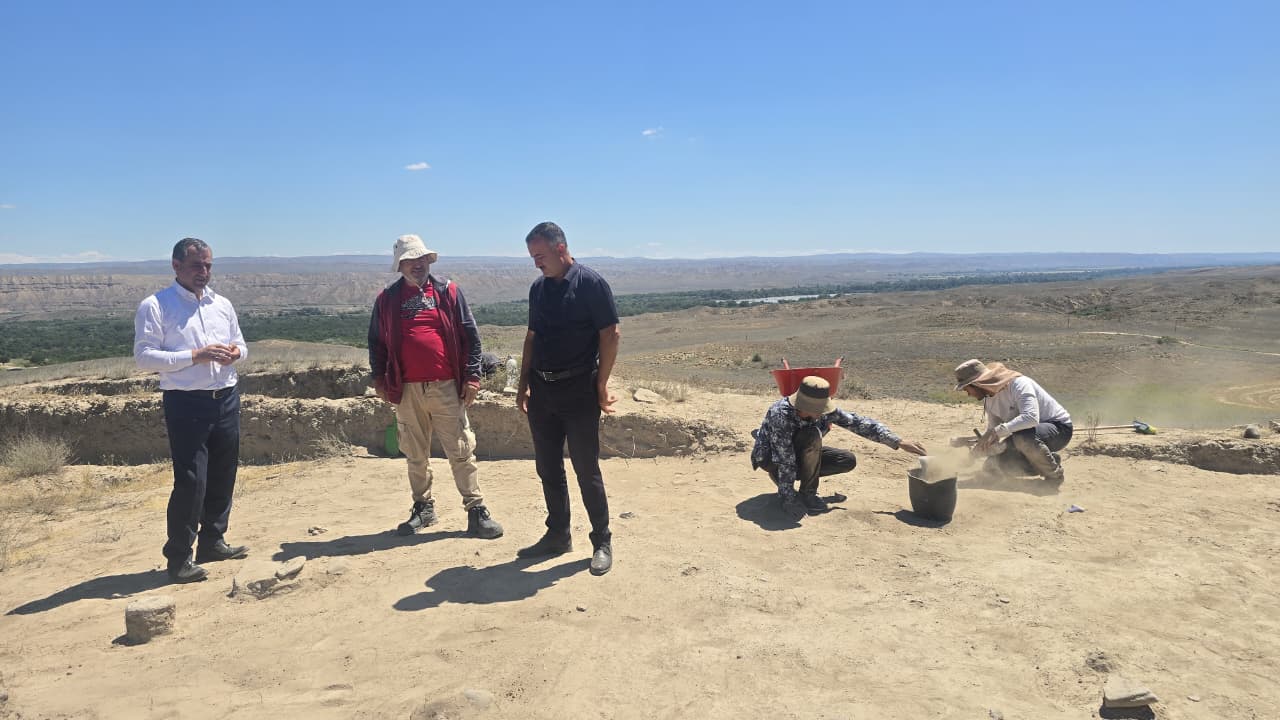
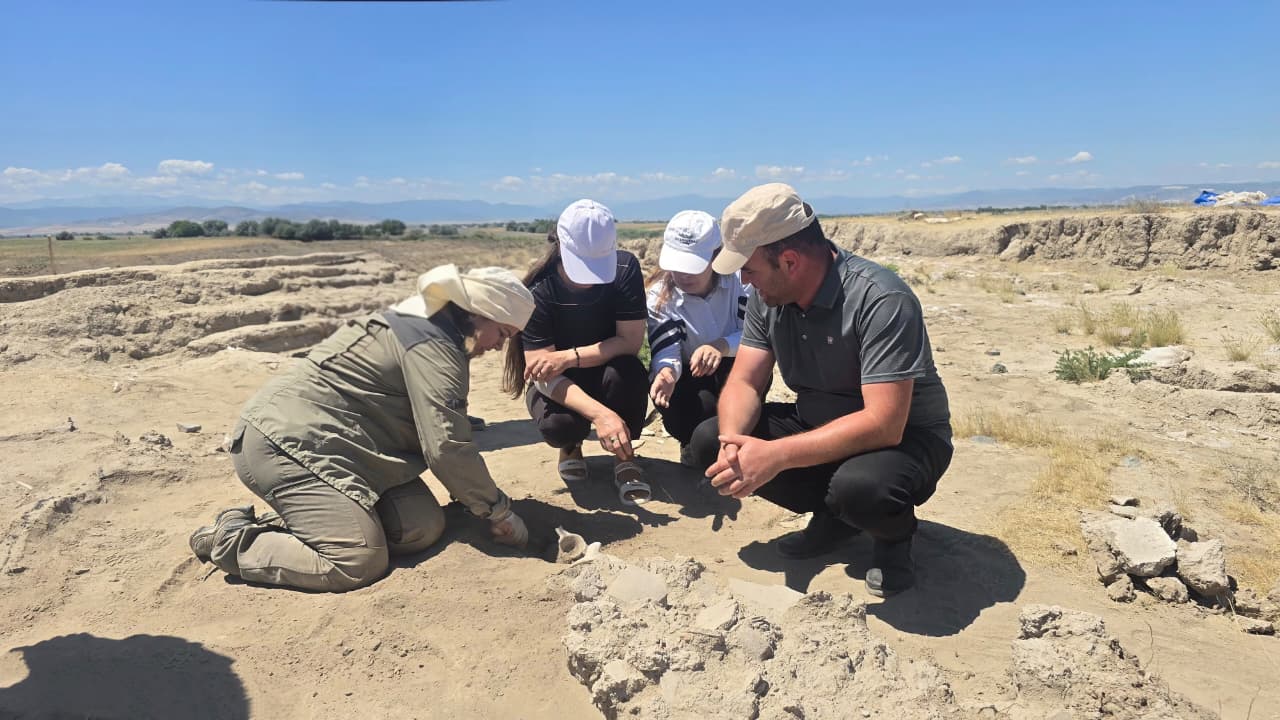
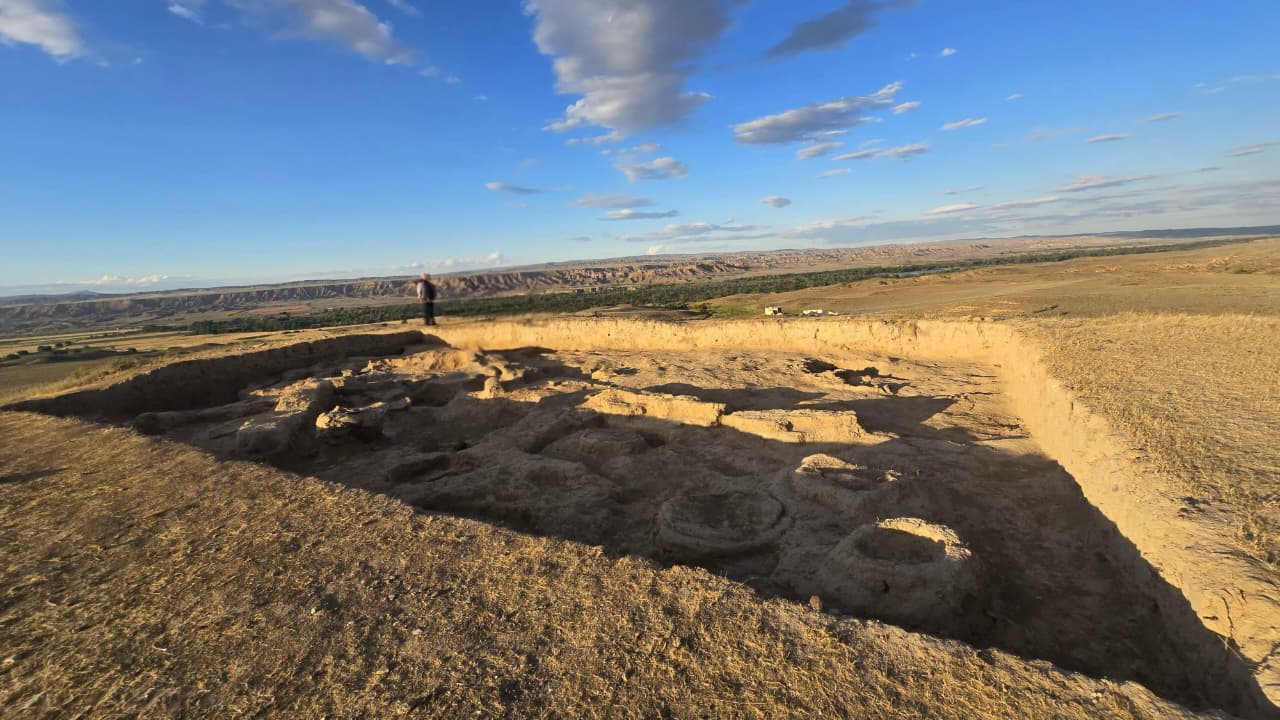
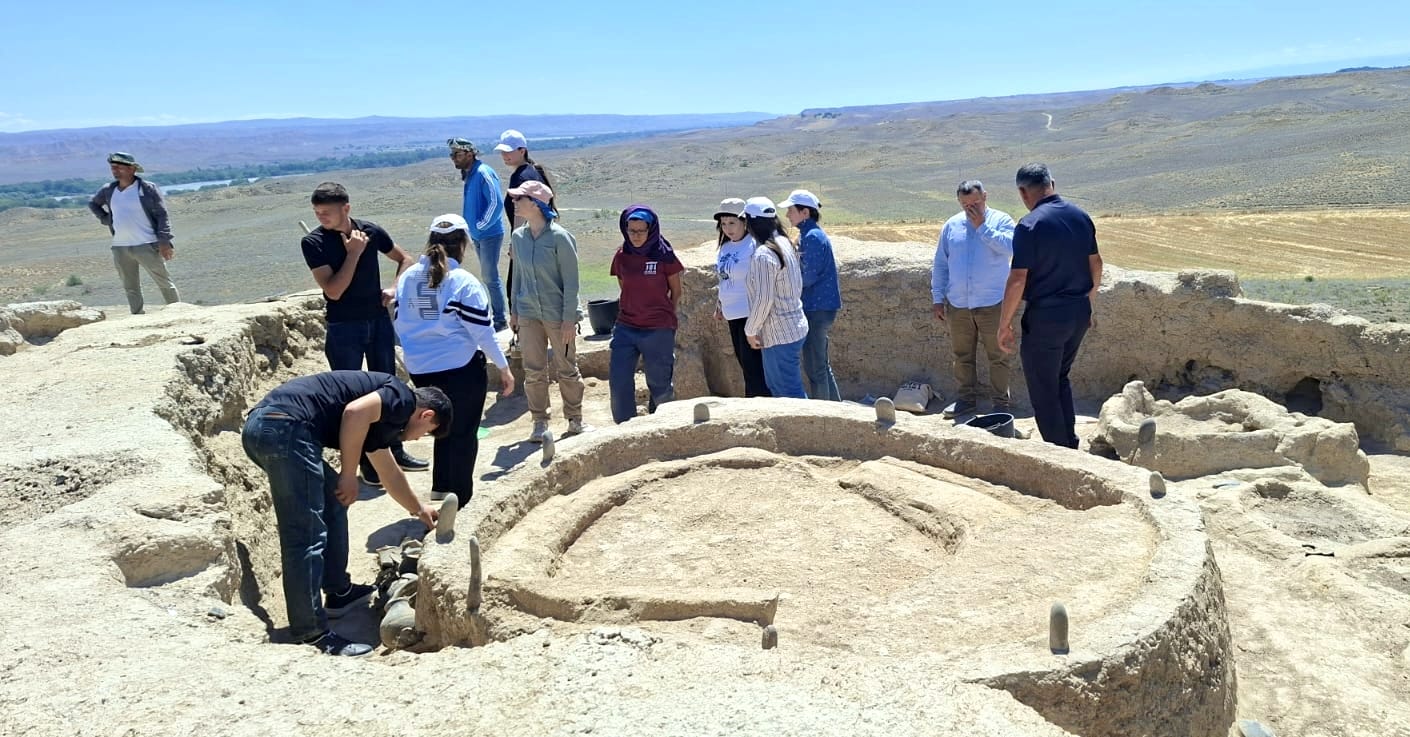
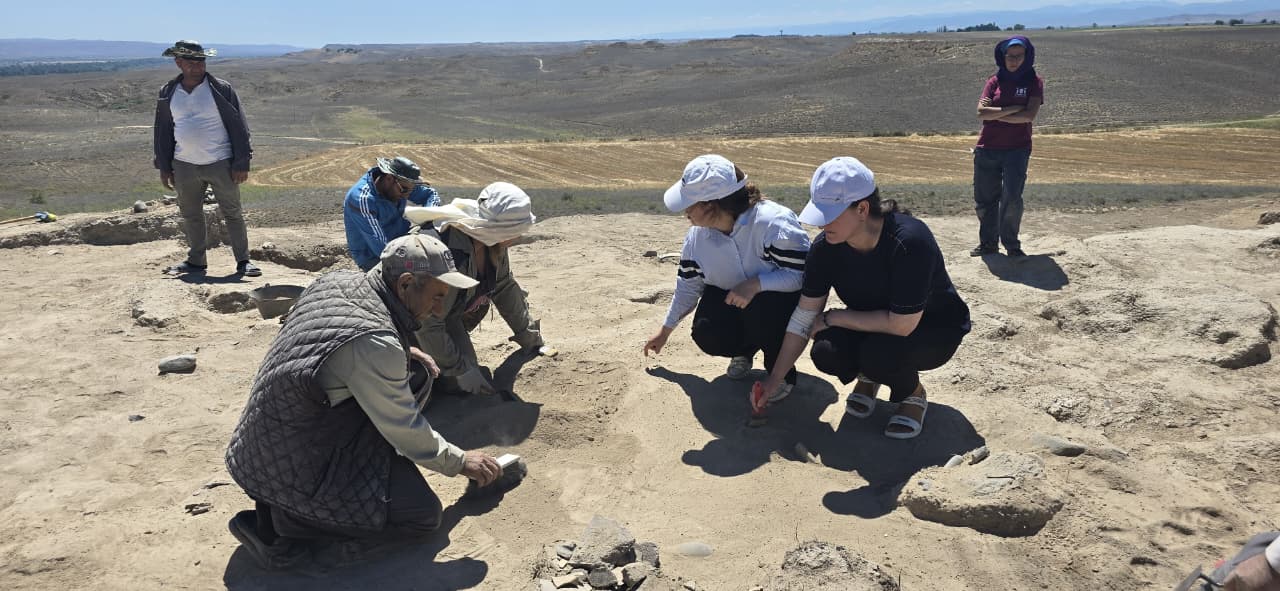
On June 29, employees of the “Keshikchidagh” State Historical and Cultural Reserve, which is managed by the State Service for Protection, Development and Restoration of Cultural Heritage under the Ministry of Culture of the Republic of Azerbaijan, visited the Tavatapa settlement. The site is located on the right bank of the Kura River, within the territory of the Ashaghi Kasaman village of the Aghstafa district, and is officially registered by the Ministry of Culture. During the visit, the staff familiarized themselves with the ongoing archaeological excavations and scientific research activities on-site.
Systematic archaeological investigations have been carried out at the Tavatapa settlement for five years within the framework of a joint cooperation project between the Institute of Archaeology and Anthropology of the Azerbaijan National Academy of Sciences (ANAS) and the University of Catania, Italy. The project is co-directed by Dr. Bakhtiyar Jalilov, Head of Department at the ANAS Institute of Archaeology and Anthropology, and Professor Nicola Laneri from the University of Catania. The expedition team includes Lola Huseynova, Senior Researcher and Archaeologist at the ANAS Institute of Archaeology and Anthropology; Hasan Alizade and Agil Aliyev, employees of the Department of Archaeological Research on New Construction Sites; as well as researchers from Sapienza University of Rome and the University of Catania (Italy): Alice Mendola, Roberta Sanna, Aurora Borgesi, Emanuela Scalisi, Dario Ciacera Macauda, and Giulia La Causa. The leading experts of the excavation stated that the Tavatapa settlement constitutes a crucial archaeological site of the region, dating back to the Late Bronze – Early Iron Age. The ongoing research yields valuable data regarding the spatial layout of the settlement, economic activities, material culture artifacts, and the lifestyle of its ancient inhabitants. During the investigations, specialized ritual/sacrificial complexes reflecting the religious beliefs and ritual practices of the ancient inhabitants were uncovered at the settlement. Hundreds of miniature clay vessels and their fragments were unearthed in one of these altars, while large-scale utilitarian storage jars (pithoi) were discovered in another. Notably, the discovery of animal bones inside these jars, presumably utilized during sacrificial ceremonies, stands as significant archaeological evidence demonstrating the execution of religious-ritualistic practices in Tavatapa. These unique findings possess substantial scientific value for studying the religious worldview, ritualistic traditions, sacrificial rites, and socio-cultural life of Late Bronze – Early Iron Age communities.
During the visit, the reserve staff were comprehensively briefed on the excavation results, the discovered material culture specimens, and their scientific implications. It was emphasized that the recovered artifacts serve as a vital scientific source for studying the ancient settlement history, socio-economic relations, and cultural evolutionary stages of the region. The archaeological research conducted at Tavatapa contributes significantly to the study of Azerbaijan’s ancient history, the preservation of national cultural heritage, and the expansion of international academic cooperation. Furthermore, these investigations hold particular significance for promoting the rich archaeological potential of the Ganja-Gazakh region and identifying new perspectives for future scientific endeavors.