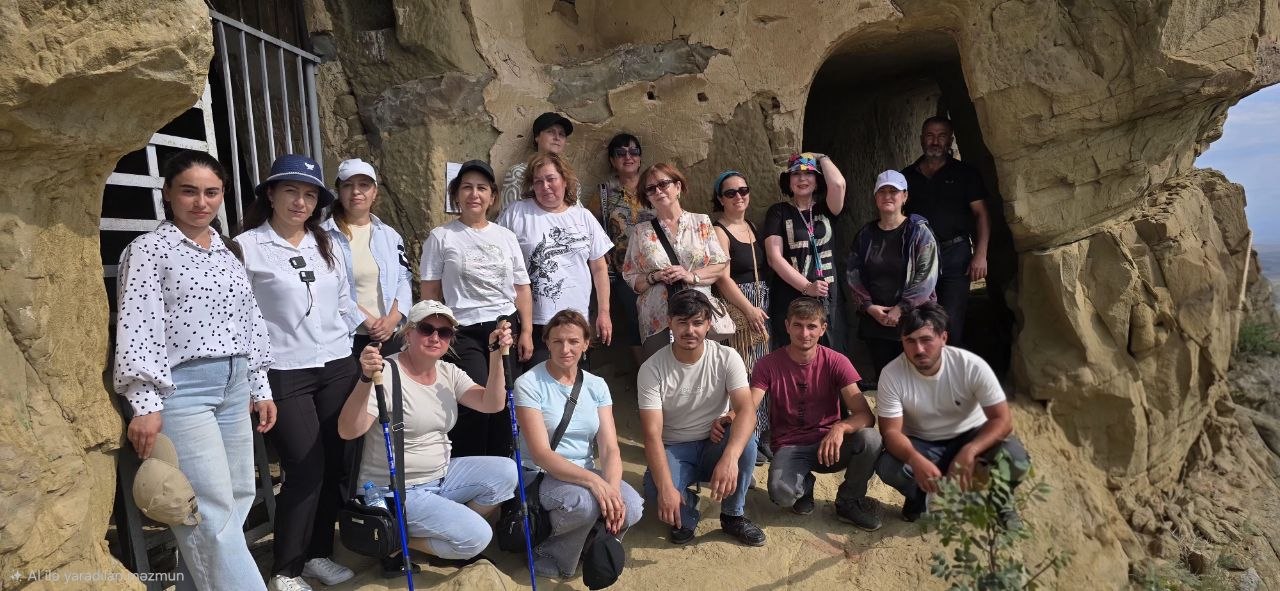
A group of tourists from Baku visited the “Keshikchidagh” State Historical and Cultural Reserve, managed by the State Service for Protection, Development and Restoration of Cultural Heritage under the Ministry of Culture.
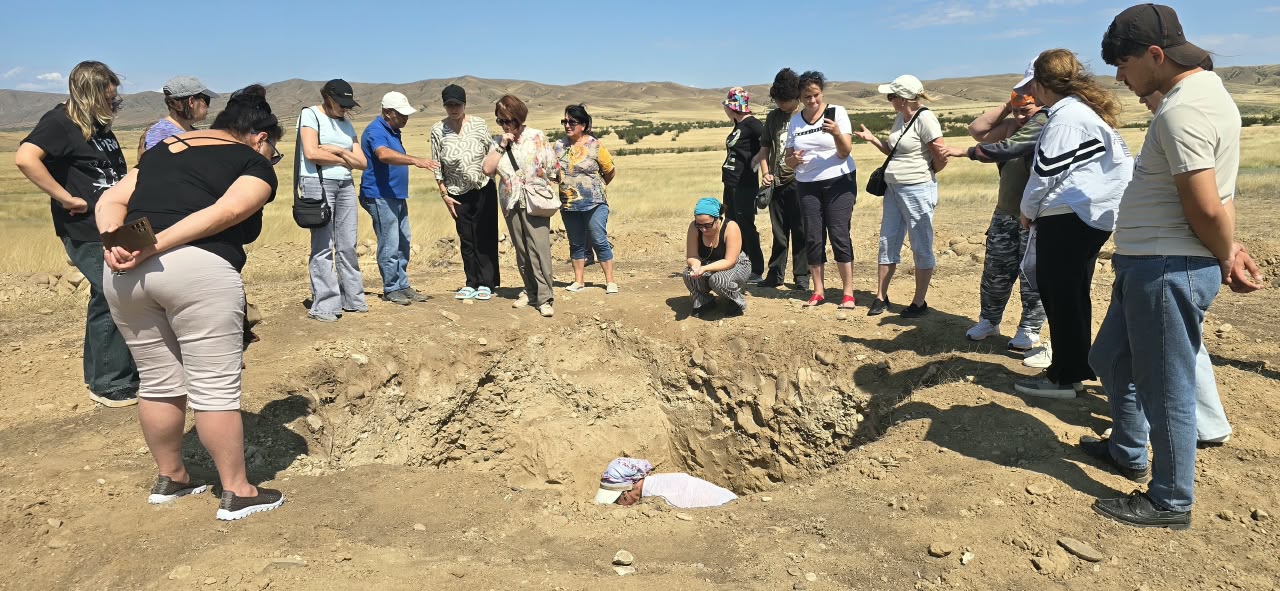
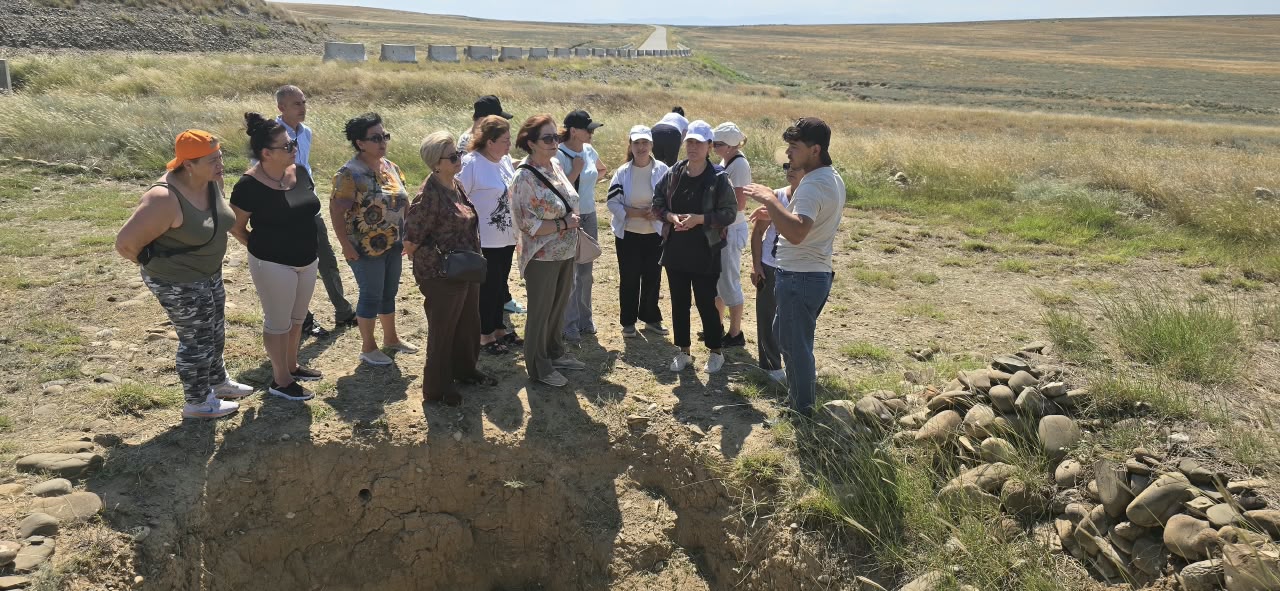
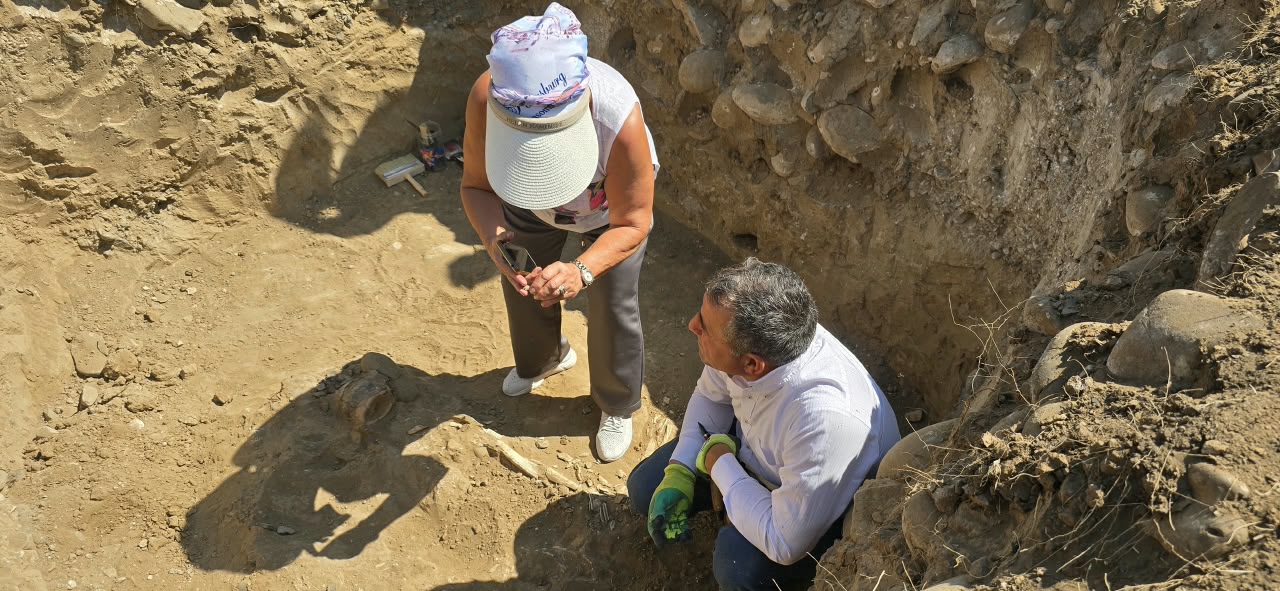
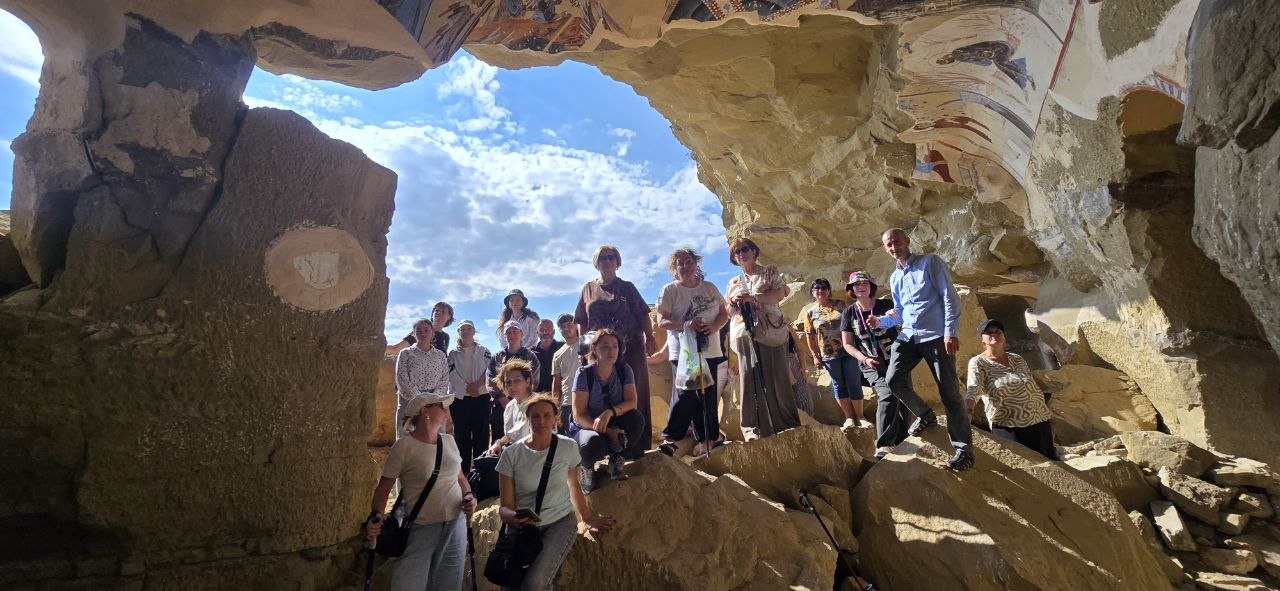
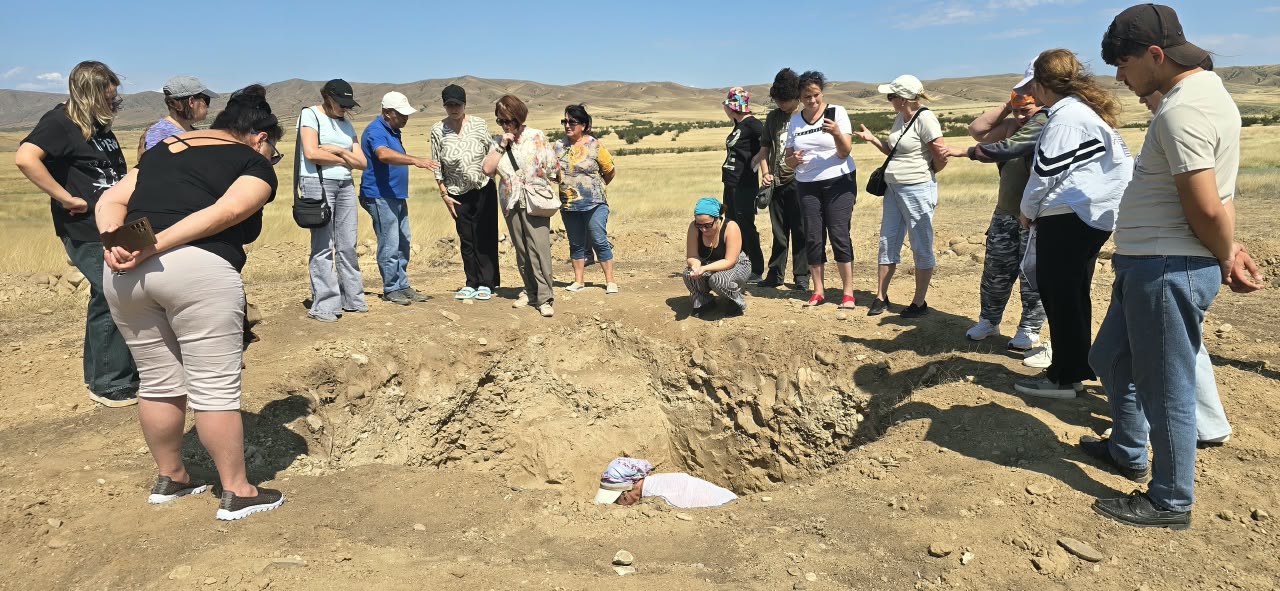
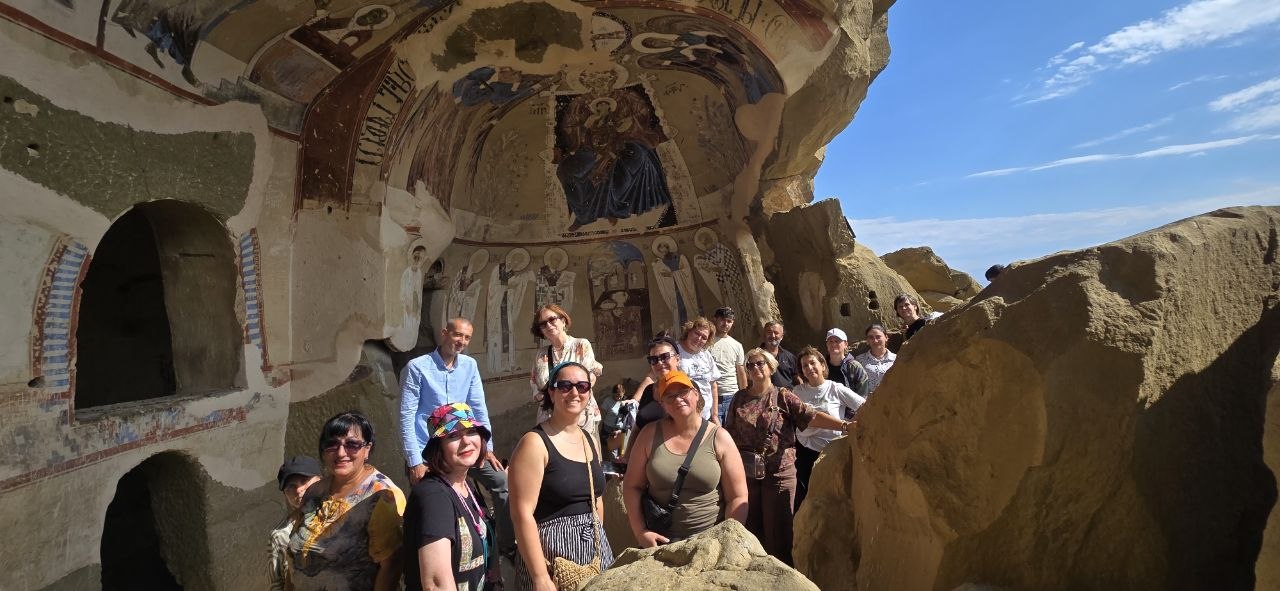
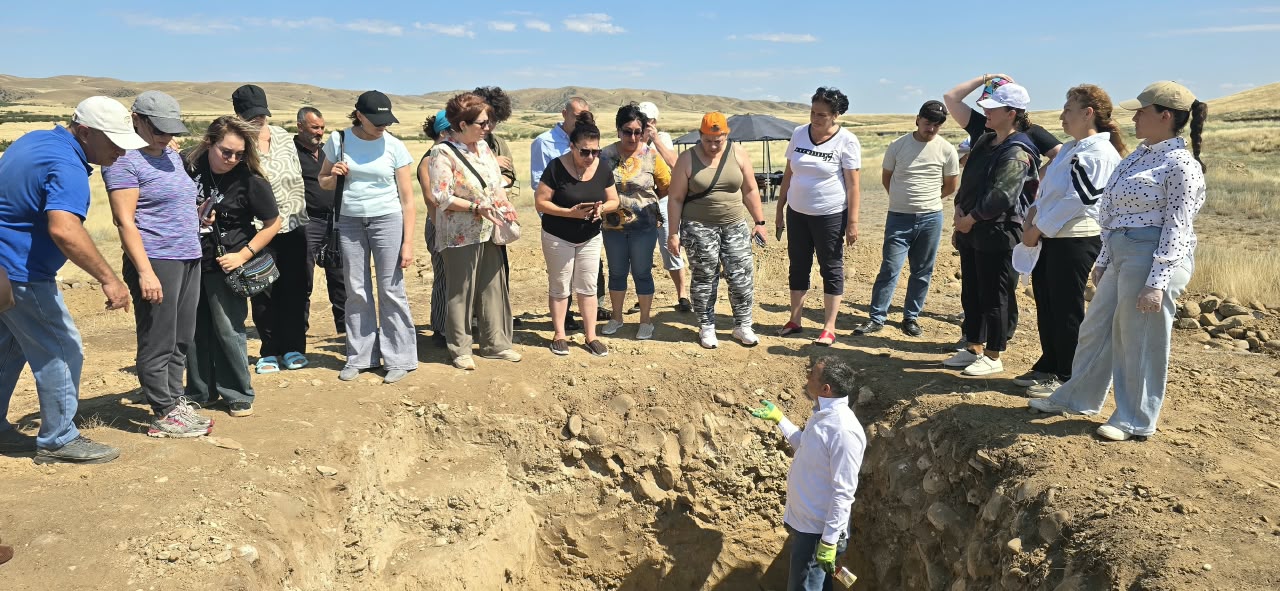
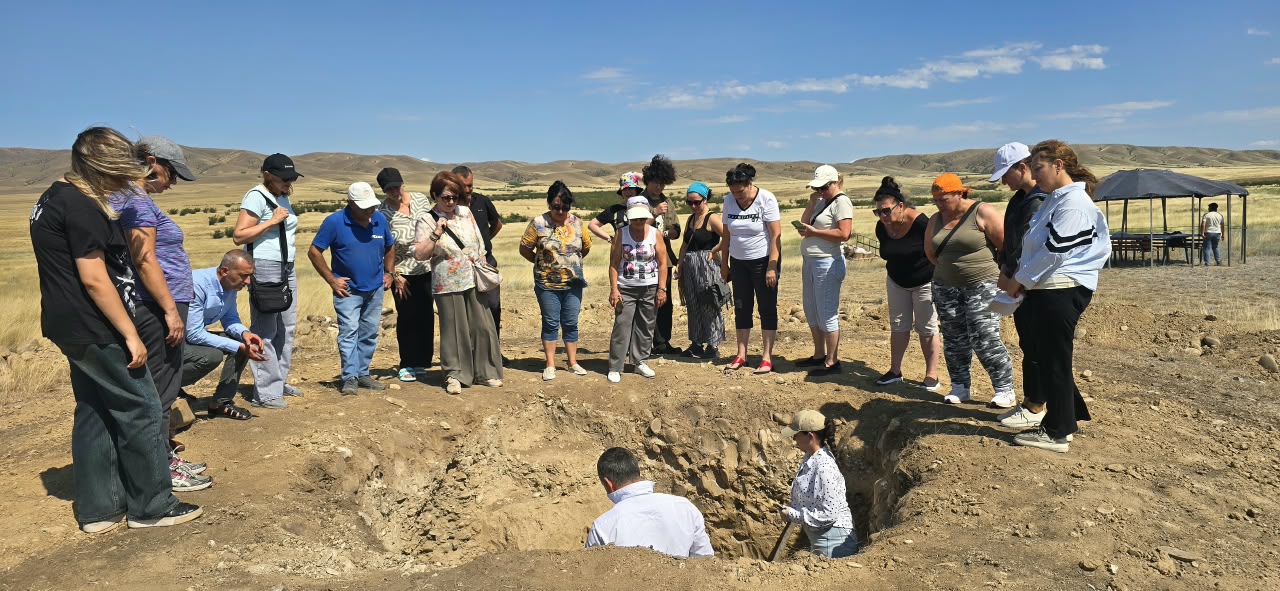
During the visit, the guests first inspected Kurgan No. 1 and No. 2 in Sariyokhush Gorge, located in the reserve’s Valley of Kurgans, where archaeological research had been conducted in previous years. The tourists were informed about the archaeological excavations carried out in these kurgans, their structural features, discovered material and cultural artifacts, and the scientific results of the research. The guests then became acquainted with the ongoing archaeological excavation work at Kurgan No. 4 in Sariyokhush Gorge, currently being studied within the scope of the project “Scientific-Archaeological Excavations and Summer School – 6 in Keshikchidagh.” Here, the tourists were provided with information about the stages of the excavation process, the structure of the kurgan, and the context in which the archaeological materials were discovered. During the trip, archaeological finds discovered from Kurgan No. 4 in Sariyokhush Gorge were also presented to the guests. Among them, a bronze dagger, 10 reddish-brown flint arrowheads, 2 obsidian arrowheads, as well as a mace head—a symbol of power made of diorite stone with holes on both sides—aroused special interest. The tourists were informed about the manufacturing techniques of these artifacts, their probable functions, and their scientific significance in terms of studying the kurgan’s archaeological context. It was noted that the discovered materials are of major importance for studying the Middle Bronze Age period. In the next phase of the excursion, the guests visited the caves located towards the “Peak named after Ilham Aliyev.” Here, information was presented regarding the architectural features of the caves, their historical and cultural significance, preserved fresco examples on the walls and ceilings, water wells, and other utility-related elements. During the visit, it was brought to the tourists’ attention that the “Keshikchidagh” area holds significant importance as a holistic cultural landscape that combines archaeological monuments, architectural structures, historical-cultural heritage, and natural landscapes. It should be noted that such educational excursions serve to promote the rich historical and cultural heritage of the reserve, deliver the results of ongoing archaeological research to the public, and raise awareness regarding the protection of cultural heritage.