Keshikchidagh Has Become a Scientific Practice Hub for Students
Fourth-year students majoring in History at the Gazakh branch of Baku State University recently visited the Keshikchidagh State Historical and Cultural Reserve as part of their scientific and practical internship program. Carrying great value for the young researchers’ graduation theses and future scientific pursuits, this program allowed them to closely familiarize themselves with the reserve’s rich archaeological and historical heritage.
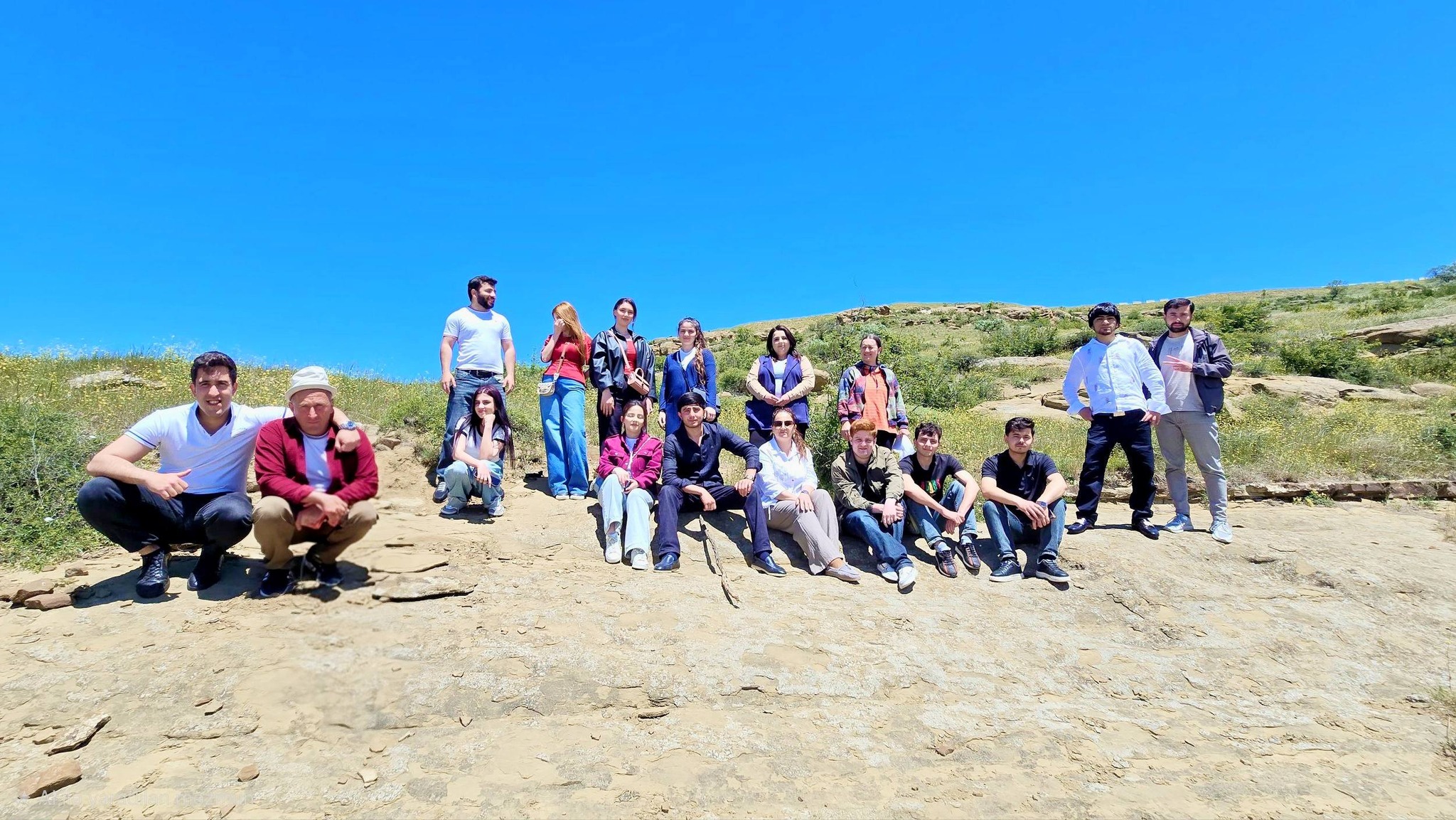
The students’ first stop was the “Valley of Kurgans,” located within the Keshikchidagh State Historical and Cultural Reserve, which stands as one of the region’s most significant archaeological sites. Here, they observed ancient kurgans—witnesses to millennia—on-site and received extensive information about the material culture artifacts uncovered during excavations. Reserve staff noted that these kurgans serve as an invaluable scientific source for studying the lifestyle, burial rituals, beliefs, and social relations of ancient peoples.
During the visit, the methodology of archaeological excavations, along with the registration, restoration, and preservation of finds, was explained to the students in detail. It was emphasized that such field research directly contributes to applying theoretical knowledge gained in the classroom to a real historical environment and helps shape the students’ scientific skills.
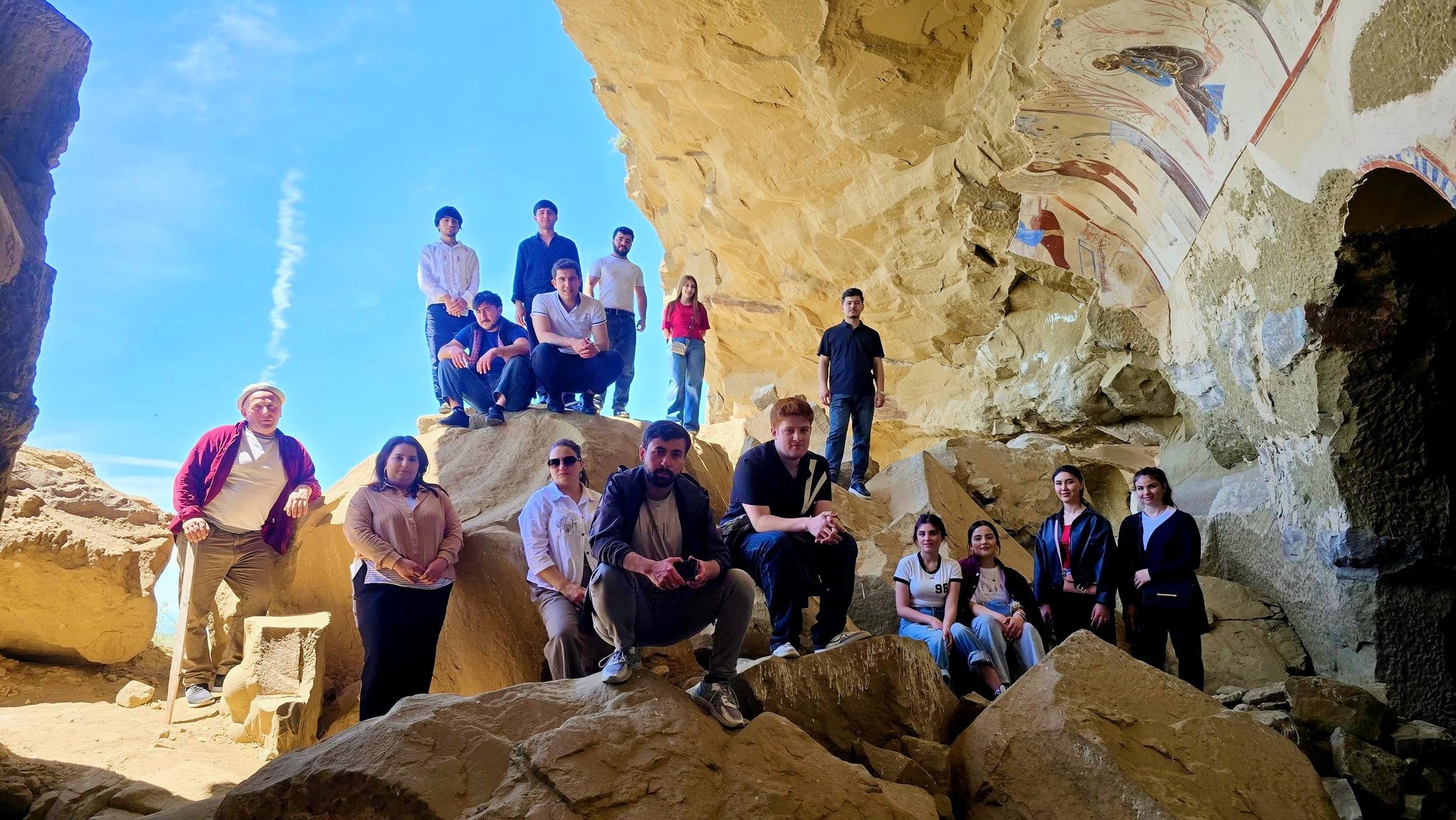
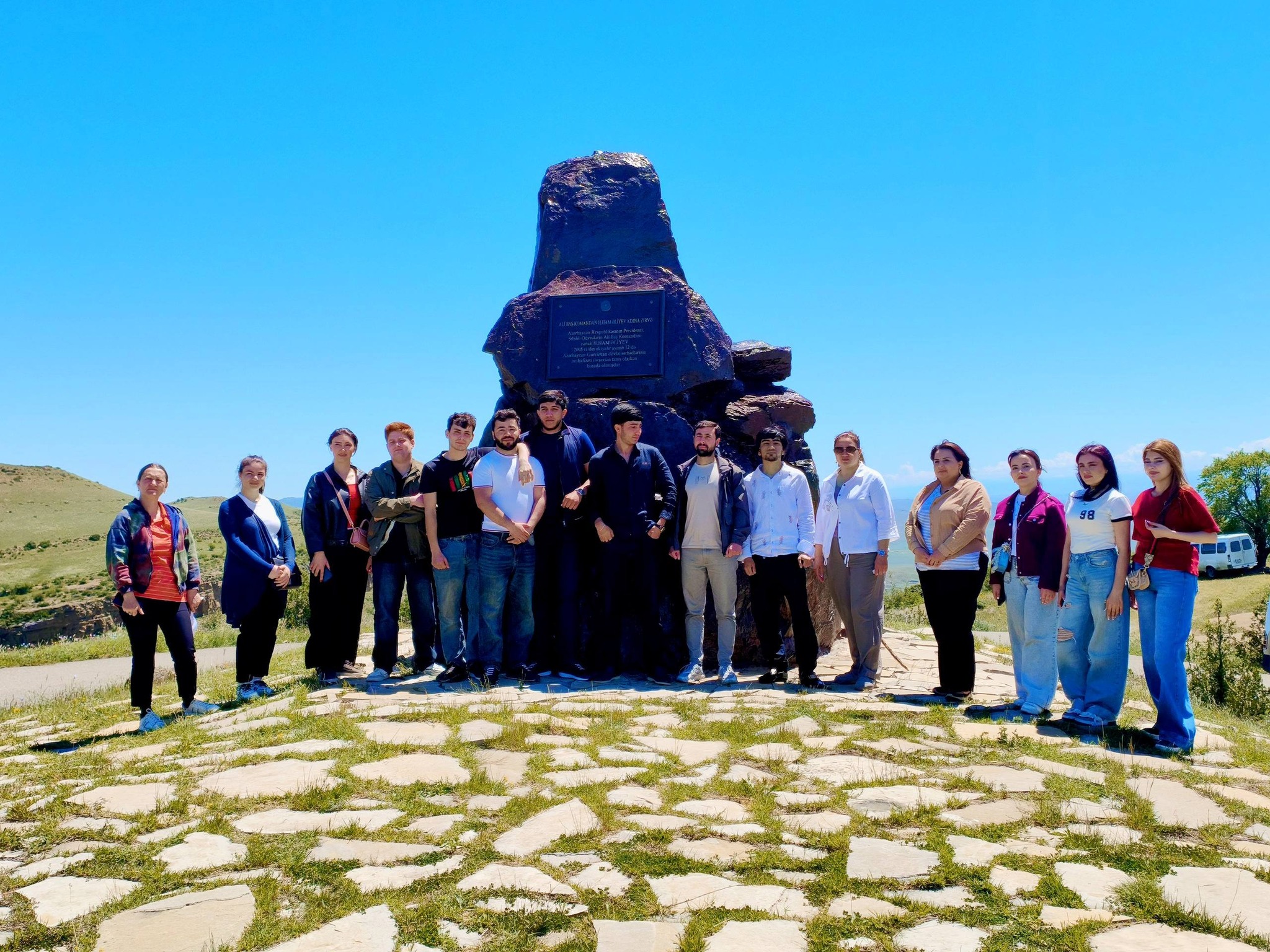
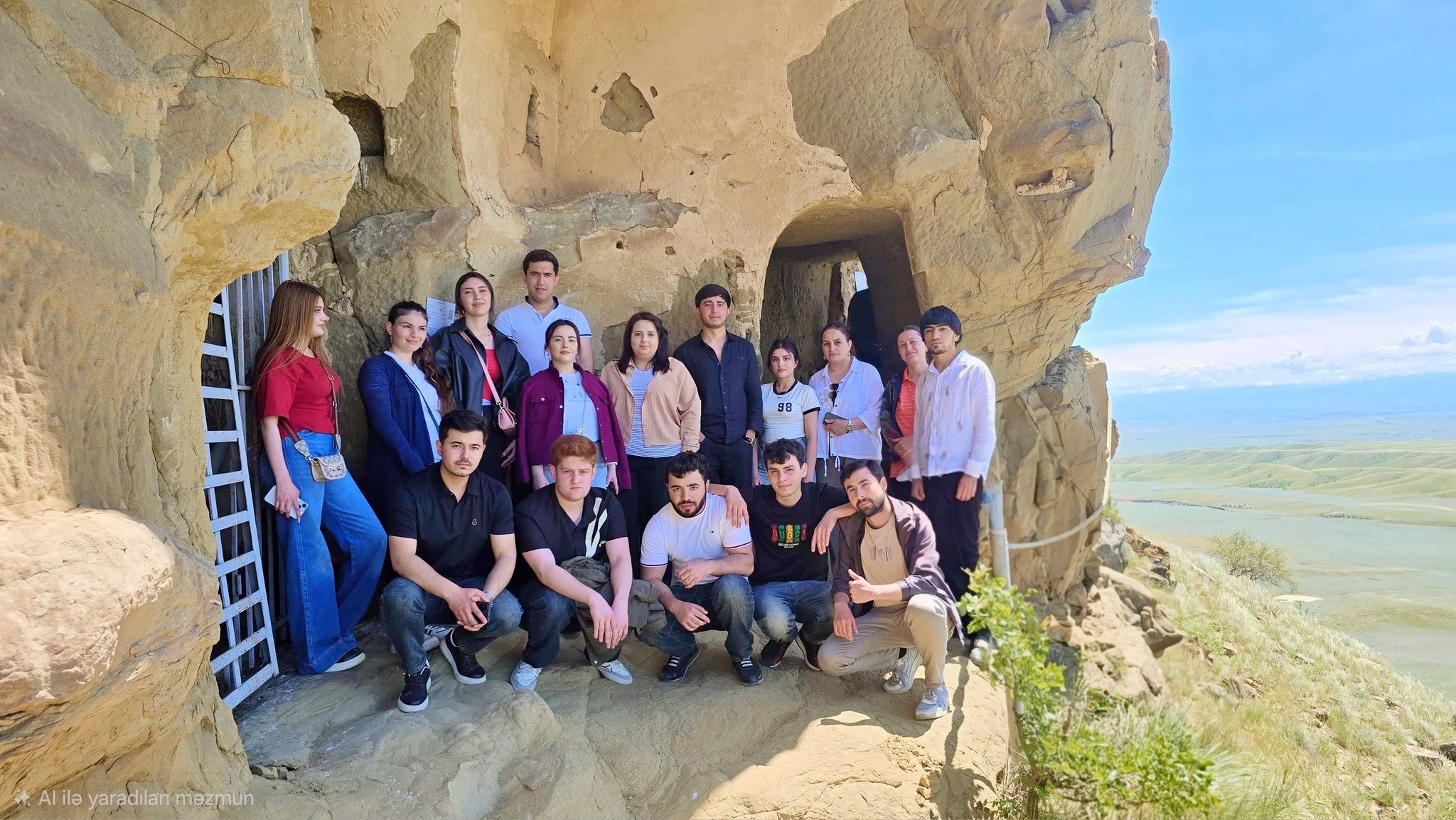
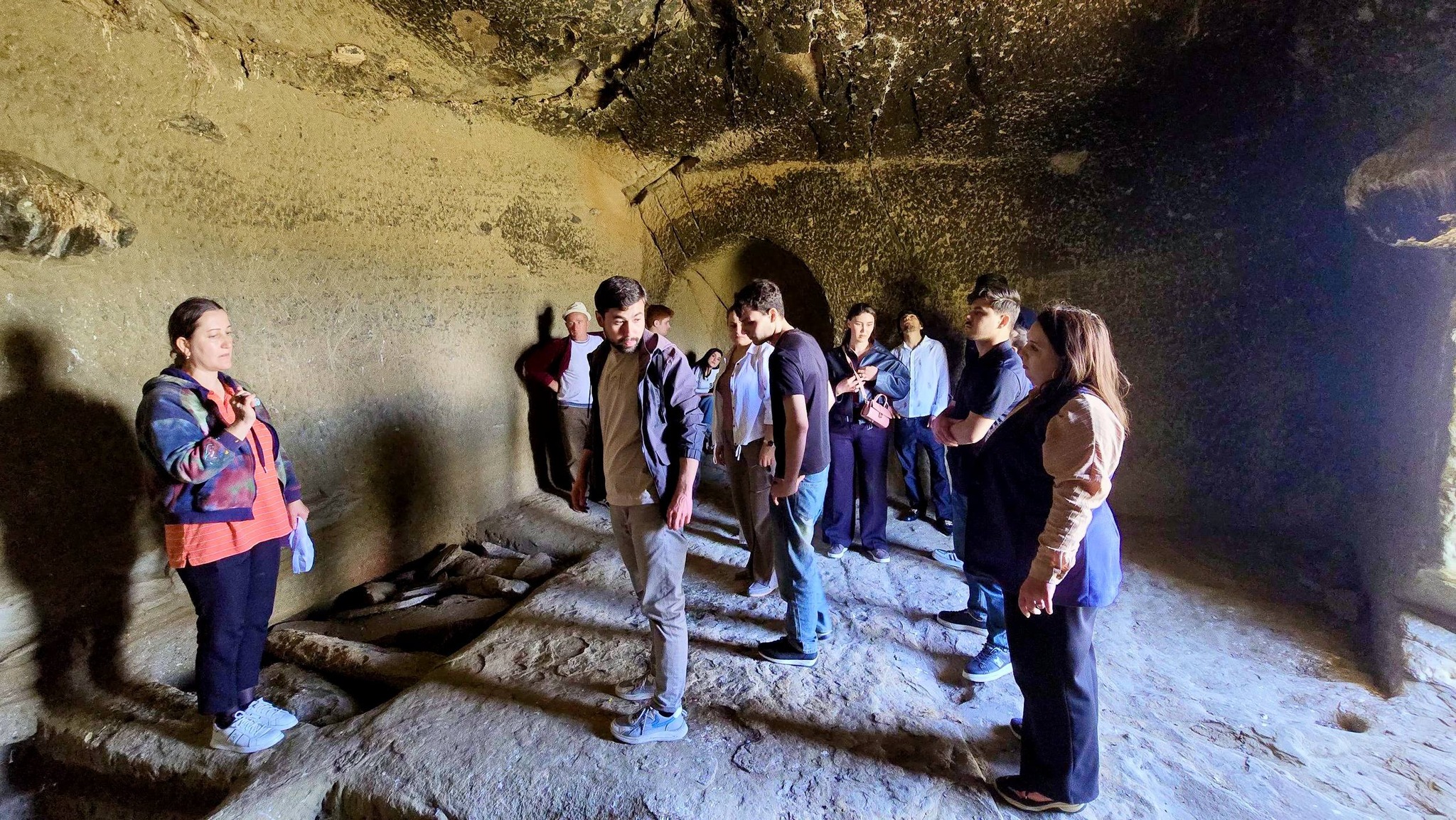
In the next phase of the scientific trip, the students visited the ancient cave complexes located in the direction of the “Peak Named After Ilham Aliyev.” The frescoes (wall paintings) preserved on the rocks, ancient water wells, food storehouses, and traces of human habitation sparked great interest among the youth. It was brought to their attention that these caves, which served as both shelters and places of worship for centuries, are unique monuments reflecting the ancient cultural history of the region.
Throughout the internship, students took essential notes for their graduation theses, conducted visual observations of the monuments, and gathered primary research materials. In conclusion, it was highlighted that the Keshikchidagh State Historical and Cultural Reserve is not merely an excursion site, but also a living, open-air scientific and educational platform. Such practical sessions further strengthen young people’s attachment to history, archaeology, and our national cultural heritage.