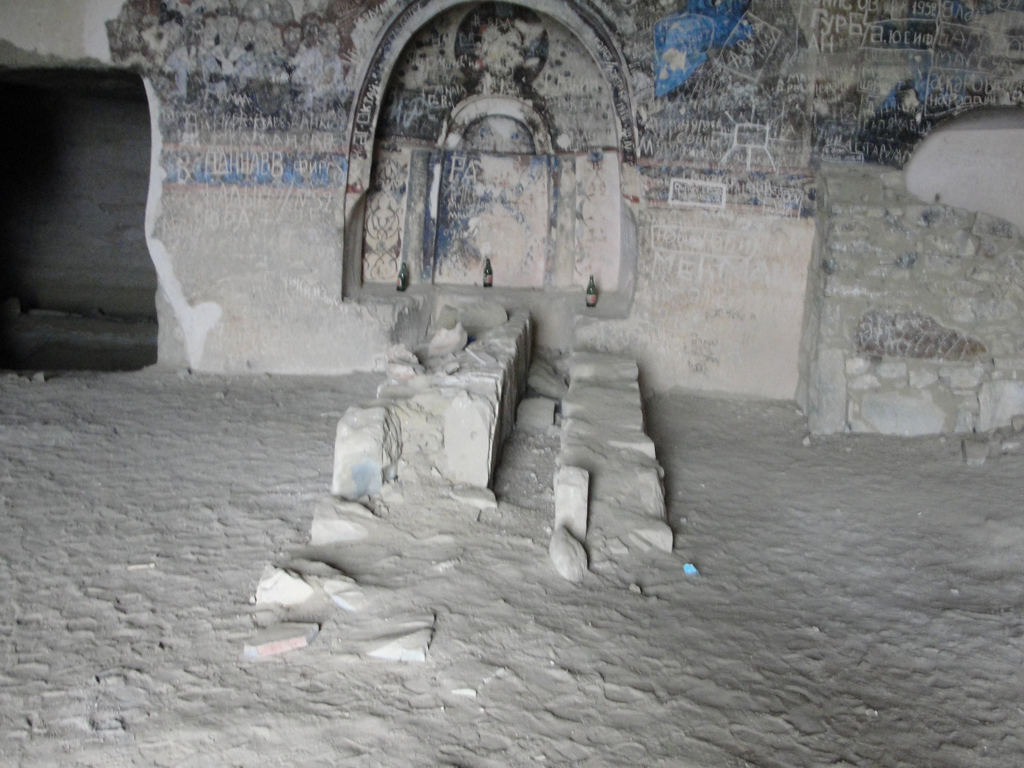
11 Nömrəli Mağara
Dövrü: İlkin orta əsr
İnventar
Yerləşdiyi yer: Qatardağ silsiləsi, “Keşikçidağ” Dövlət tarix-mədəniyyət qoruğu
Eni: 8.70 m
Uzunu: 10.80 m
Hündürlüyü: 2.27m
Sahəsi: 93,96. m²
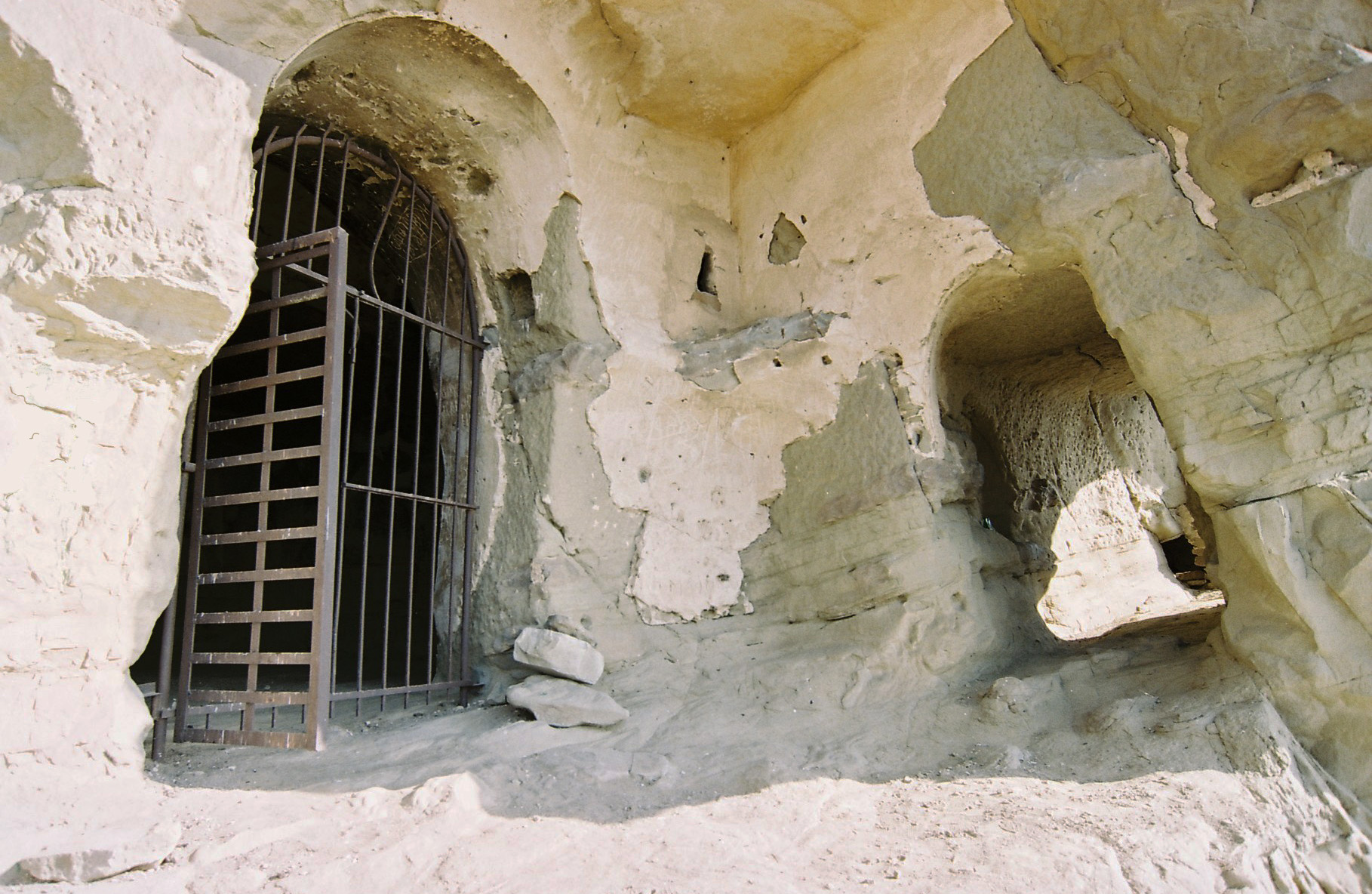
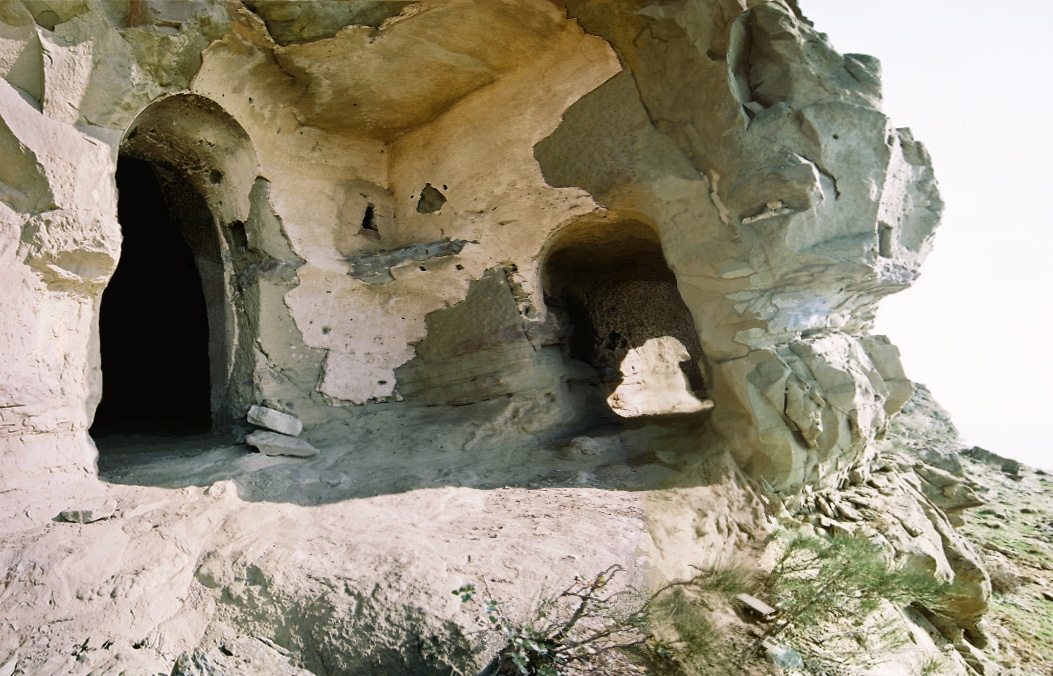
Keşikçidağ mağaralar kompleksinin yerləşdiyi ərazidə ilkin yaşayışın izləri minilliklərə gedib çatır. 11 nömrəli mağara süni mağaradır iç-içə iki otaqdan ibarətdir. Bu mağarının quruluşu dördbucaqlı formadadır. Mağaranın həm çölündə su quyusu içərisində su quyusu və üzərində ərzaq anbarı vardır. Sonradan mağaraya dəmir qapı düzəldilmişdir. Bu mağara digərlərinə nisbətən böyükdür. İnteryerindən göründüyü kimi burada yaşamış adamlar özləri üçün rahatlıq yaratmışlar. İbadət etmək üçün guşə və oturmaq üçün masa yonublar. Mağaranın içərisində Qədim insanlar daş alətlərlə bu mağaralarda bəzi işlər görmüş, divarları yonaraq yataq yerləri və taxçalar düzəltmişlər. Mağaranın divarı yonaraq hücrə halına salmışlar.
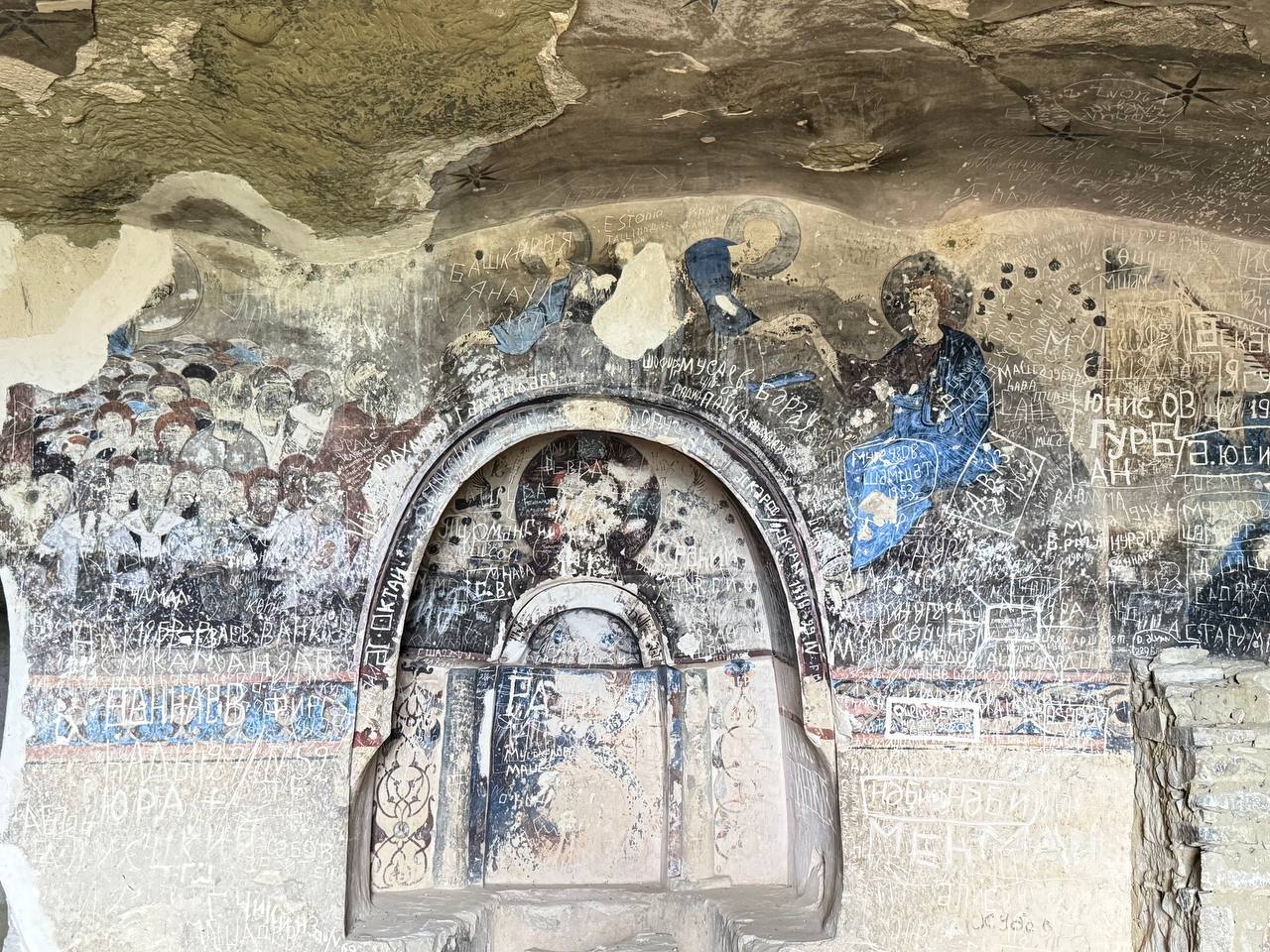
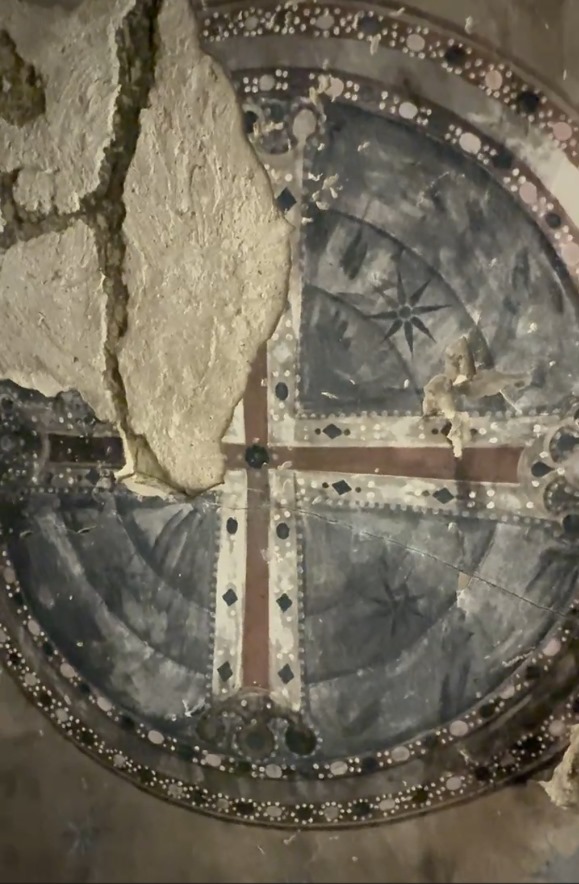
11 nömrəli mağaranın həm tavanlarına, həm də divarlarına XIX əsrin sonu – XX əsrin əvvəllərinə aid freskalar çəkilmişdir . Bu freskalar tədqiqatçılar üçün mühüm mənbə olmaqla yanaşı, həmin dövrdə mağaranın artıq yalnız yaşayış məkanı deyil, dini və kult təyinatlı məbəd funksiyasını da icra etdiyini göstərir. Freskaların kompozisiya üslubu və yerləşdirilmə prinsipləri onu sübut edir ki, mağara məkanında ikonoplastika ənənələri davam etdirilmiş, ornamentik və dini-simvolik təsvirlər tətbiq olunmuşdur. Gürcülər bu mağaranı “Bertuban” adlandırır, və buranı mağara-məbəd kimi istifadə edirdilər. “Bertuban” sözünün mənası isə “Məbədlər yurdu” demək idi. Burada işlənmiş ikonoplastik elementlər İsa Məsih, müqəddəslər və kilsə simvolları ilə bağlı təsvirlərin varlığını ehtimal etməyə əsas verir. Bu da göstərir ki, Keşikçidağ ərazisi yalnız etno-mədəni deyil, həm də xristian dini ənənələrinin inkişafı və təzahürü baxımından mühüm mərkəzlərdən biri olmuşdur.
Cave No. 11
Period: Early Middle Ages
Inventory:
Location: Qatardagh Ridge “Keshikchidagh” State Historical and Cultural Reserve
Width: 8.70 m
Length: 10.80 m
Height: 2.27m
Area: 93,96. m²
Traces of the earliest settlement in the Keshikchidagh cave complex go back thousands of years. Cave No. 11 is an artificial cave consisting of two interconnected chambers. The structure of the cave has a rectangular shape. Both outside and inside the cave there is a water well, and above it a food storage was built. Later, an iron door was installed at the entrance. This cave is larger compared to the others. From the interior, it is evident that the inhabitants created comfort for themselves. A prayer corner and a carved stone table for sitting were arranged. Inside the cave, ancient people used stone tools to perform various tasks, carving beds and niches into the walls. The walls of the cave were shaped to form small cells.
Frescoes dating to the late 19th – early 20th centuries were painted both on the ceilings and the walls of Cave No. 11. These frescoes, in addition to serving as important sources for researchers, demonstrate that during this period the cave had ceased to function merely as a dwelling space and had instead acquired the role of a religious and cultic sanctuary. The compositional style and principles of placement of the frescoes confirm that traditions of iconoplastics were maintained within the cave setting, incorporating ornamental and religious-symbolic depictions. The Georgians referred to this cave as “Bertuban” and used it as a cave-temple. The term “Bertuban” itself meant “Land of Temples.” The iconoplastic elements employed here provide grounds to assume the presence of representations associated with Jesus Christ, saints, and ecclesiastical symbols. This, in turn, indicates that the Keşikçidağ territory was not only an ethno-cultural space, but also one of significant importance for the development and manifestation of Christian religious traditions.