Novruz is a national holiday that preserves the most ancient and rich spiritual values of the Azerbaijani people. This holiday symbolizes the arrival of spring, the awakening of nature, and the renewal of life.
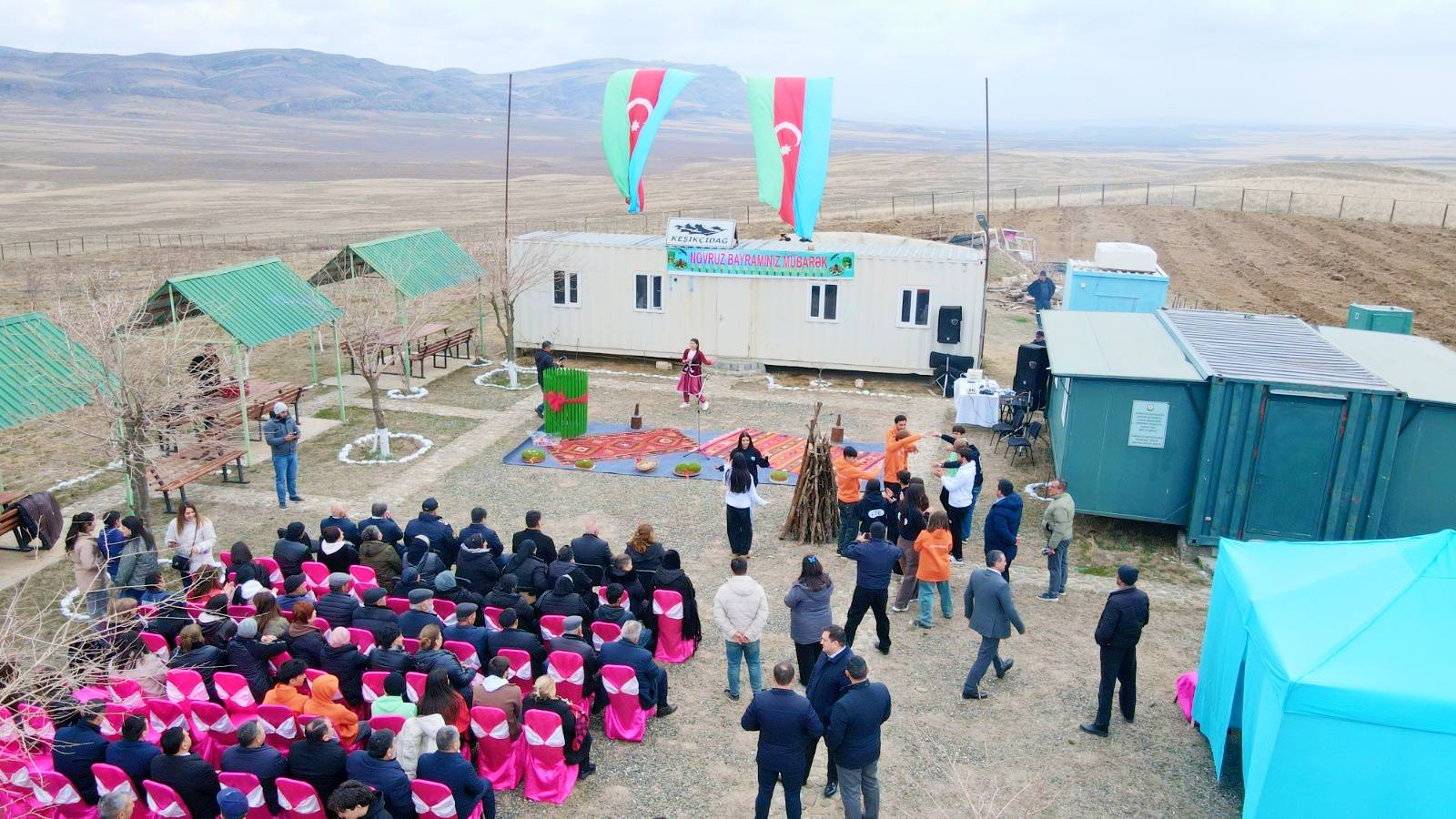
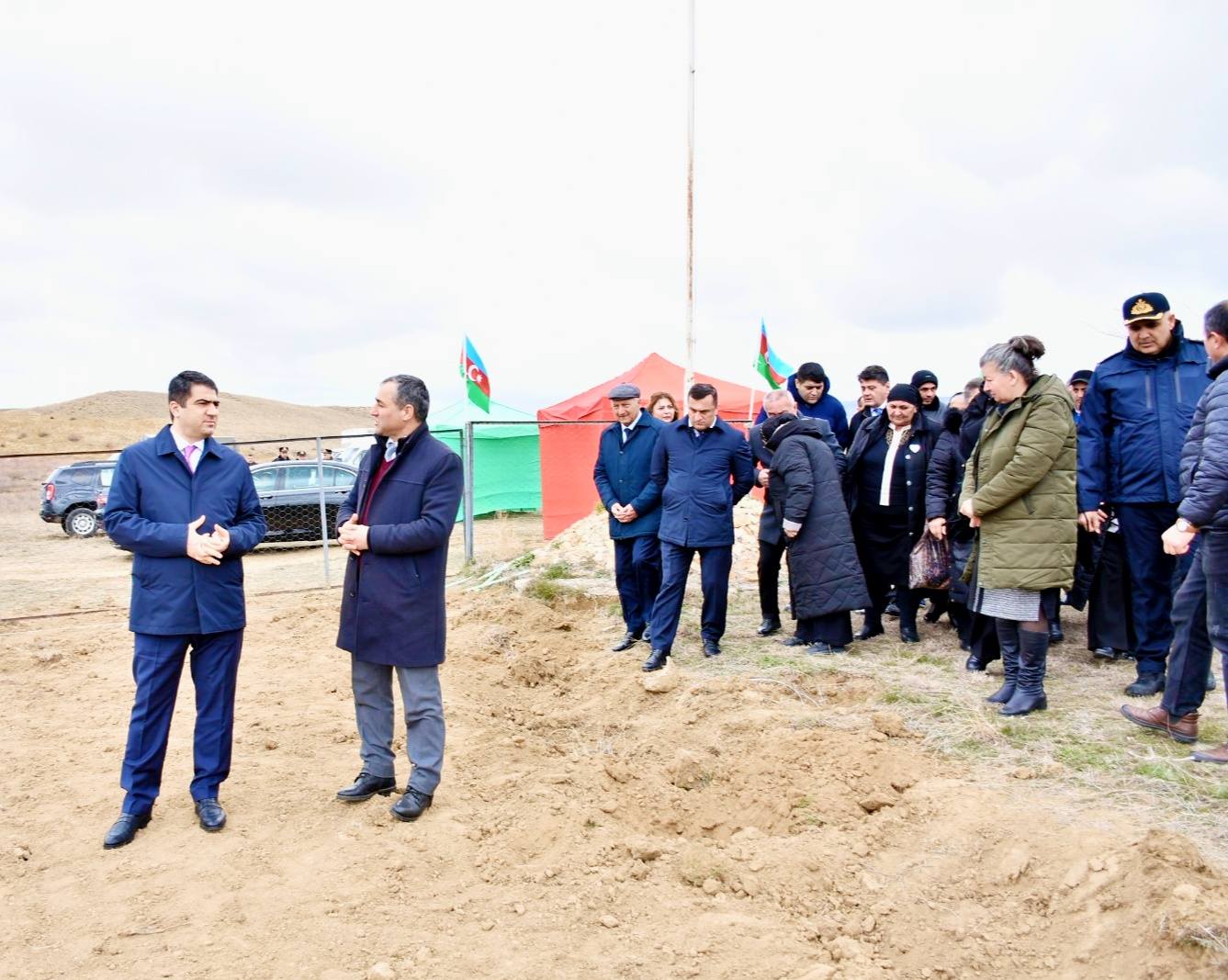
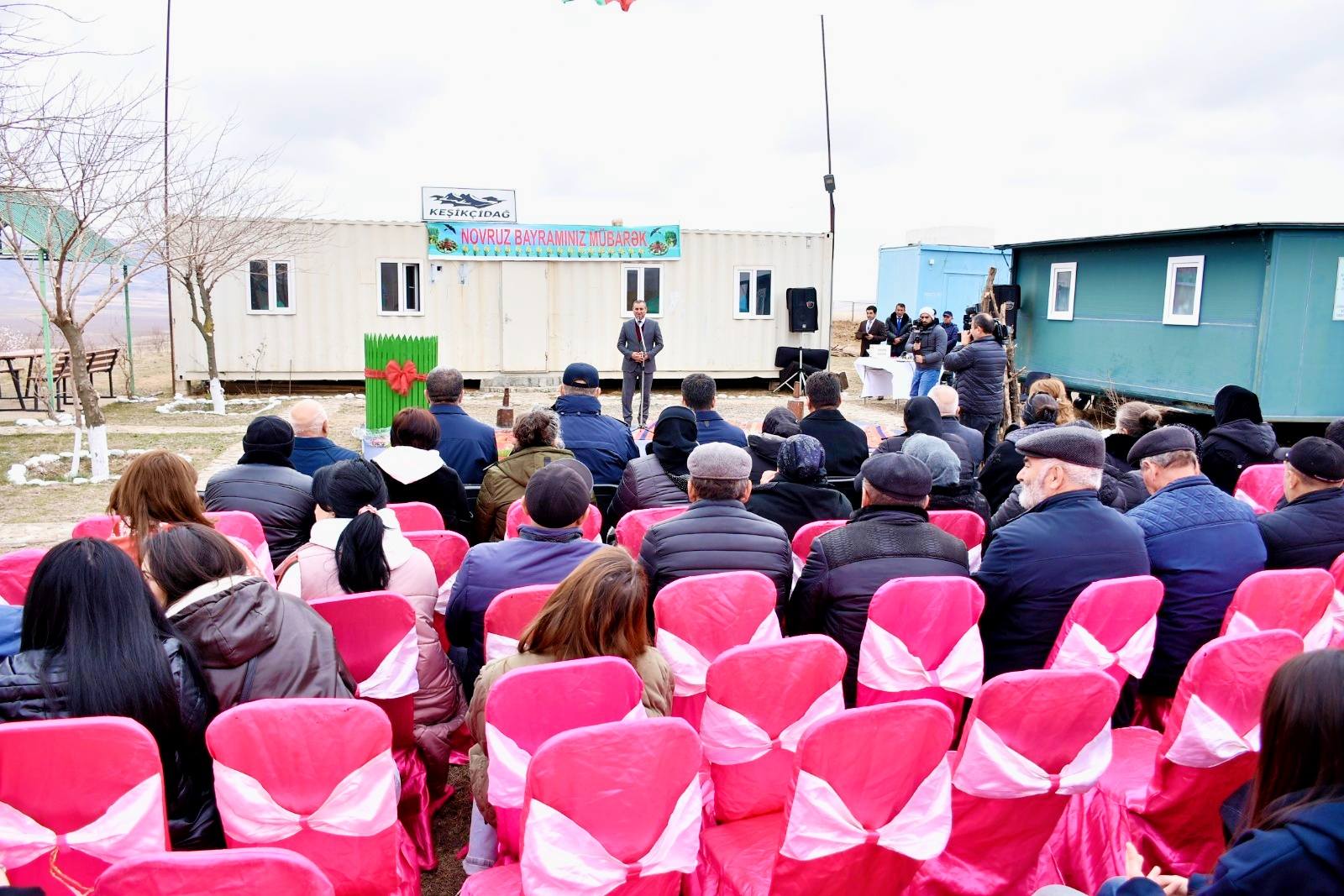
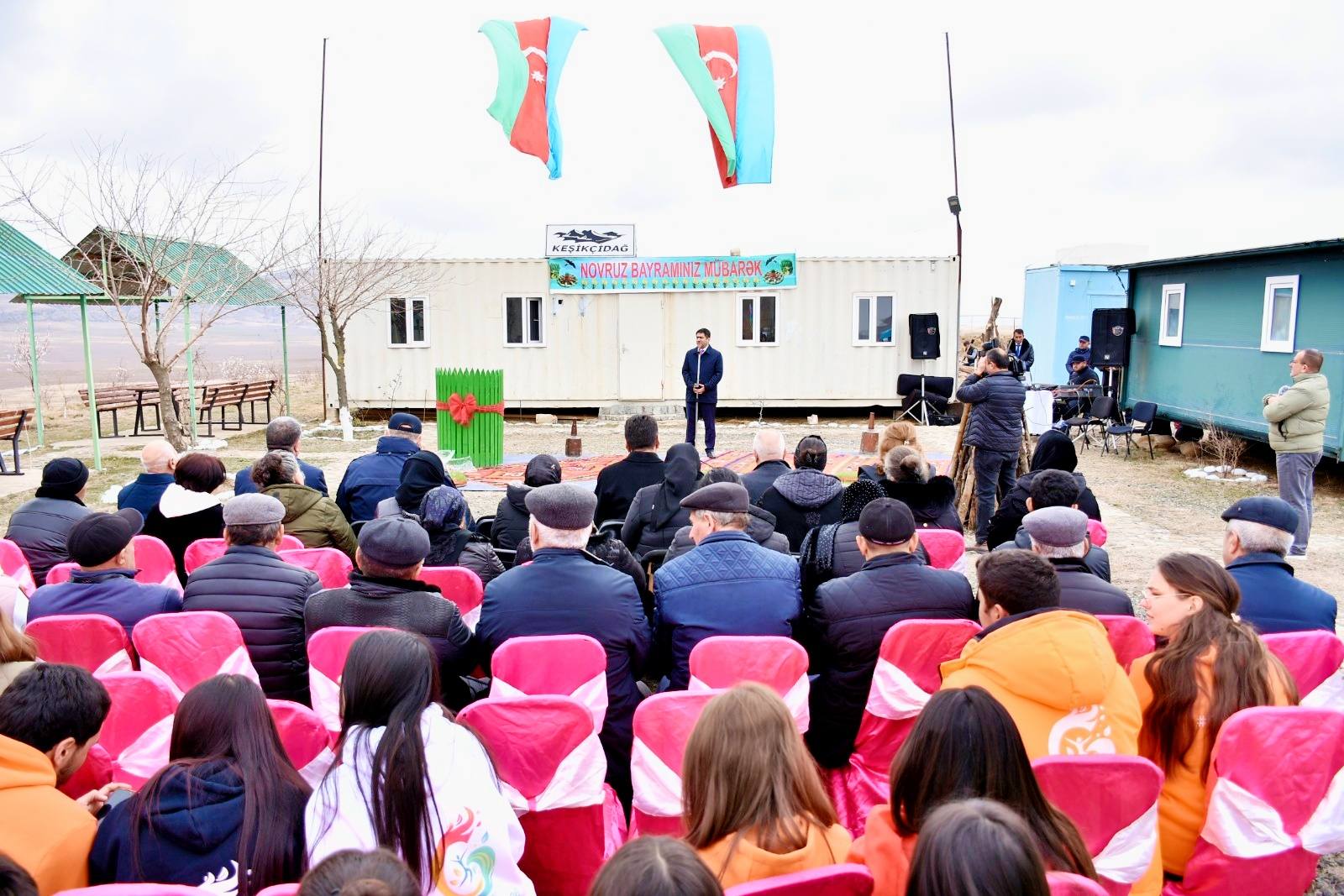
On March 12, 2026, an event titled “Novruz Traditions in Keshikchidagh” was held in connection with the “Year of Urban Planning and Architecture – 2026” in the Republic of Azerbaijan. The event was jointly organized by the Executive Power of Aghstafa district and the Keshikchidaghand Avey State Historical and Cultural Reserves, which operate under the administration of the State Service for the Protection, Development and Restoration of Cultural Heritage under the Ministry of Culture of the Republic of Azerbaijan.
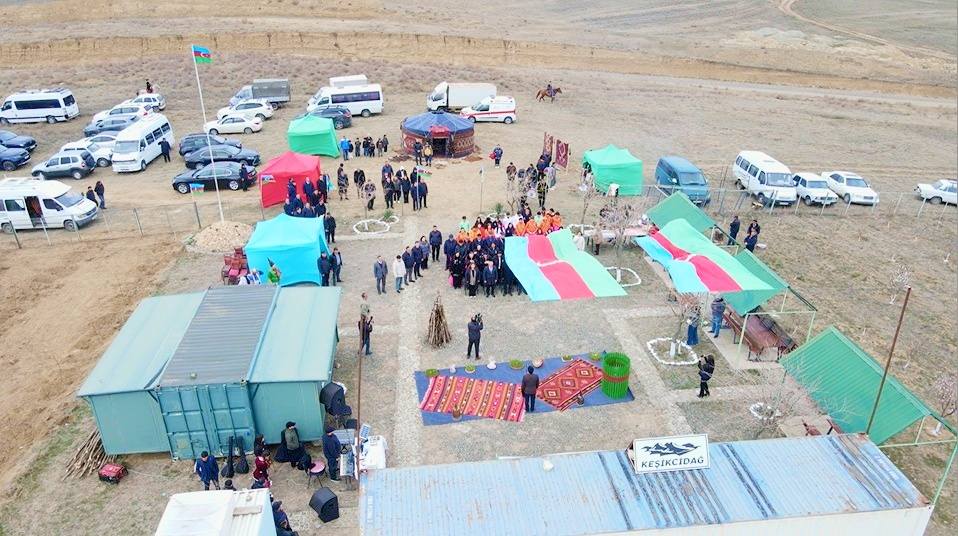
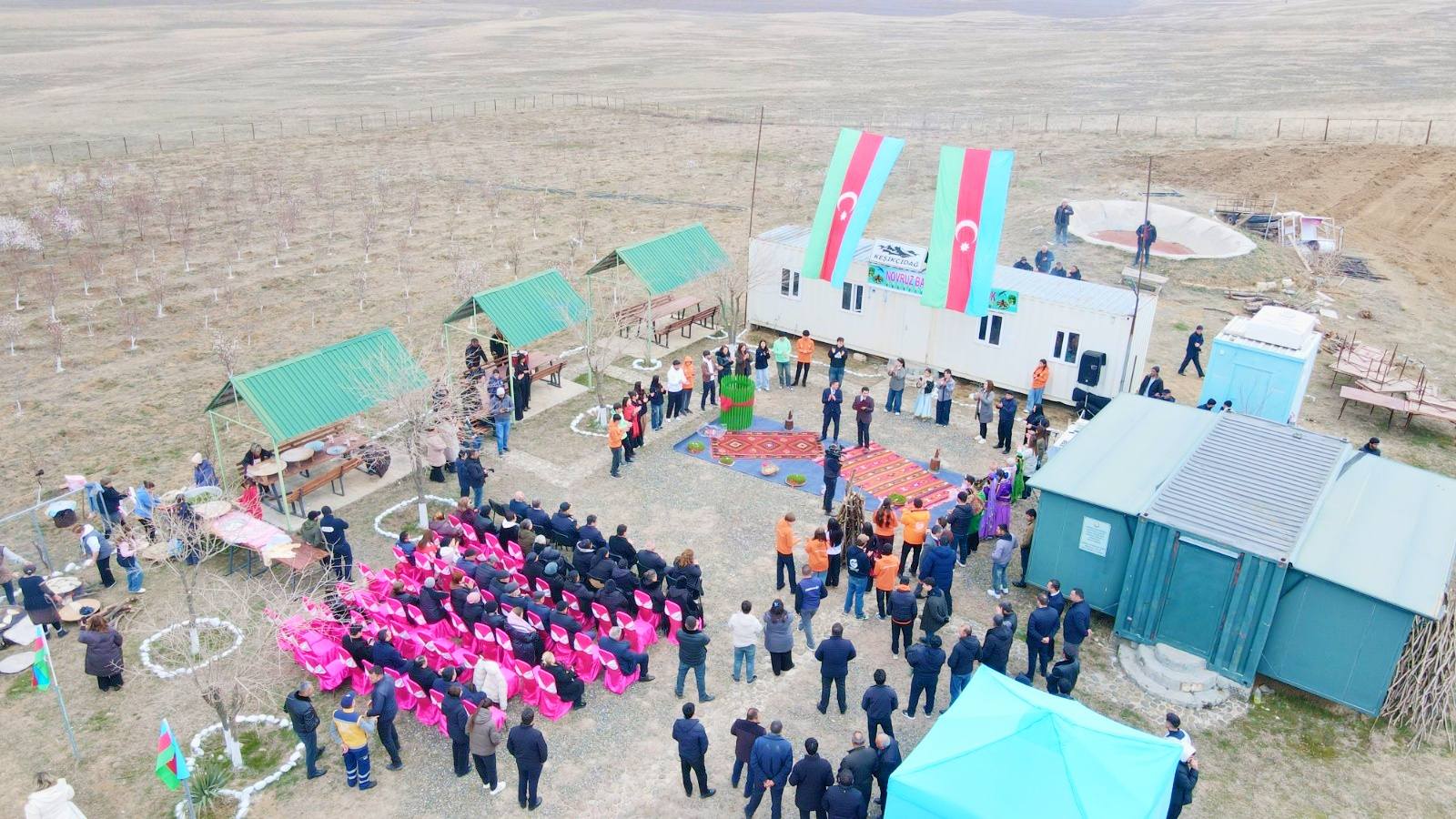
The event took place at the Information Center of the Keşikçidağ State Historical and Cultural Reserve. The main purpose of the event was to preserve and promote Azerbaijan’s ancient traditions, to pass on the values of Novruz—one of the national holidays—to the younger generation, and to introduce examples of historical and cultural heritage.
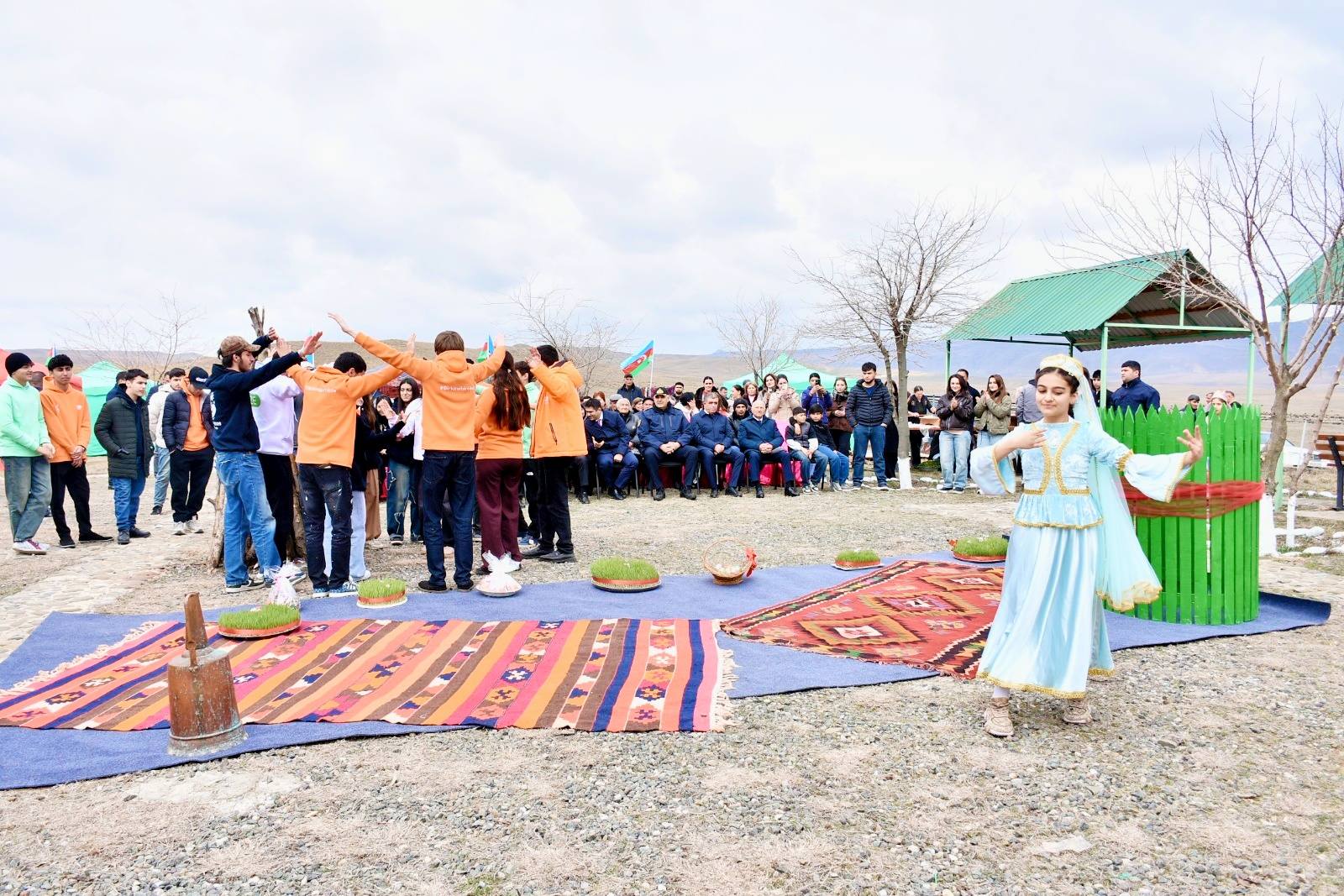
The leadership and responsible officials of the Aghstafa District Executive Power, employees of the Aghstafa Youth House and Gazakh Youth House Social Service Institutions, representatives of the Youth Development and Career Center’s Aghstafa branch, families of martyrs, veterans, local intellectuals and young volunteers participated in the event.
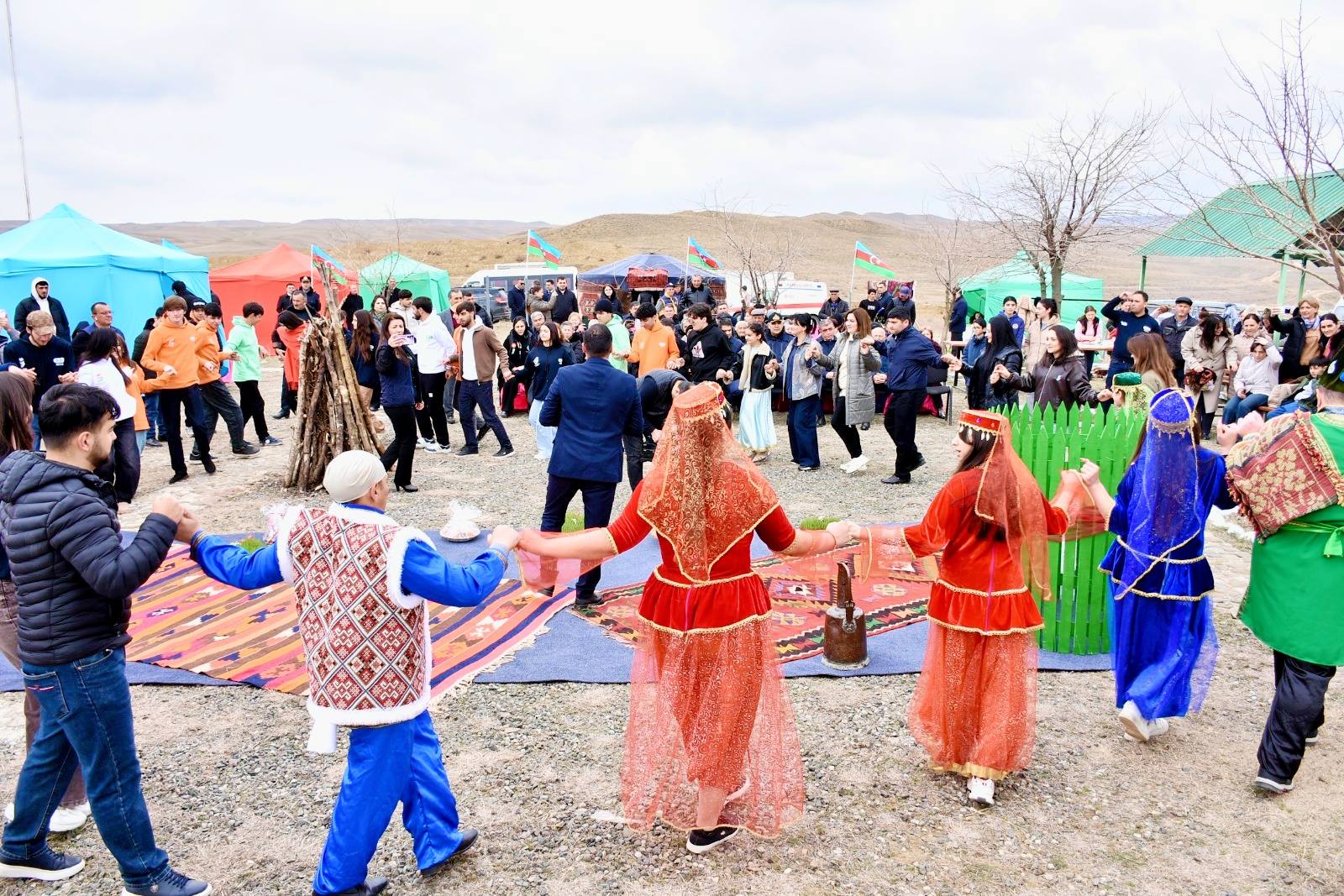
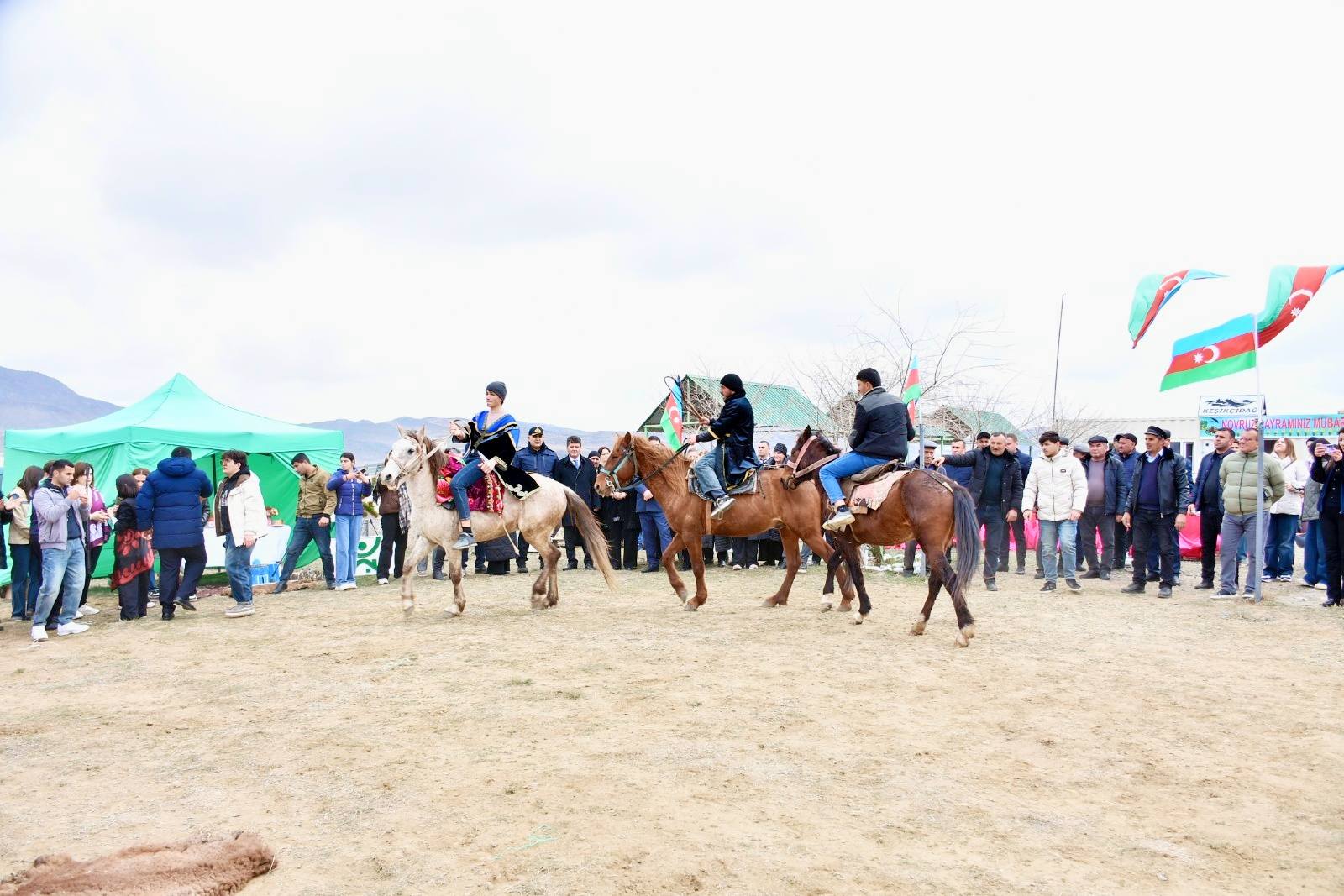
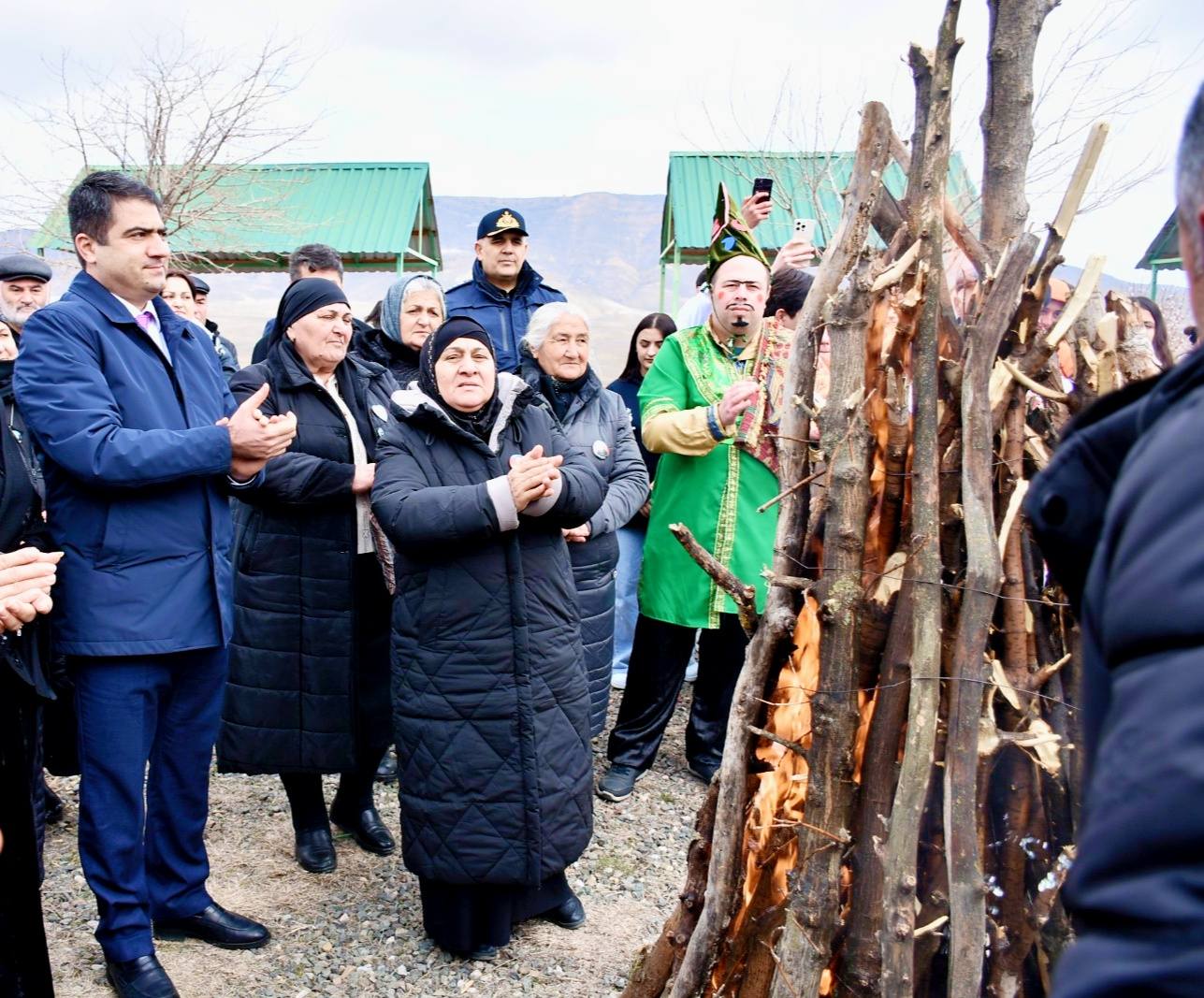
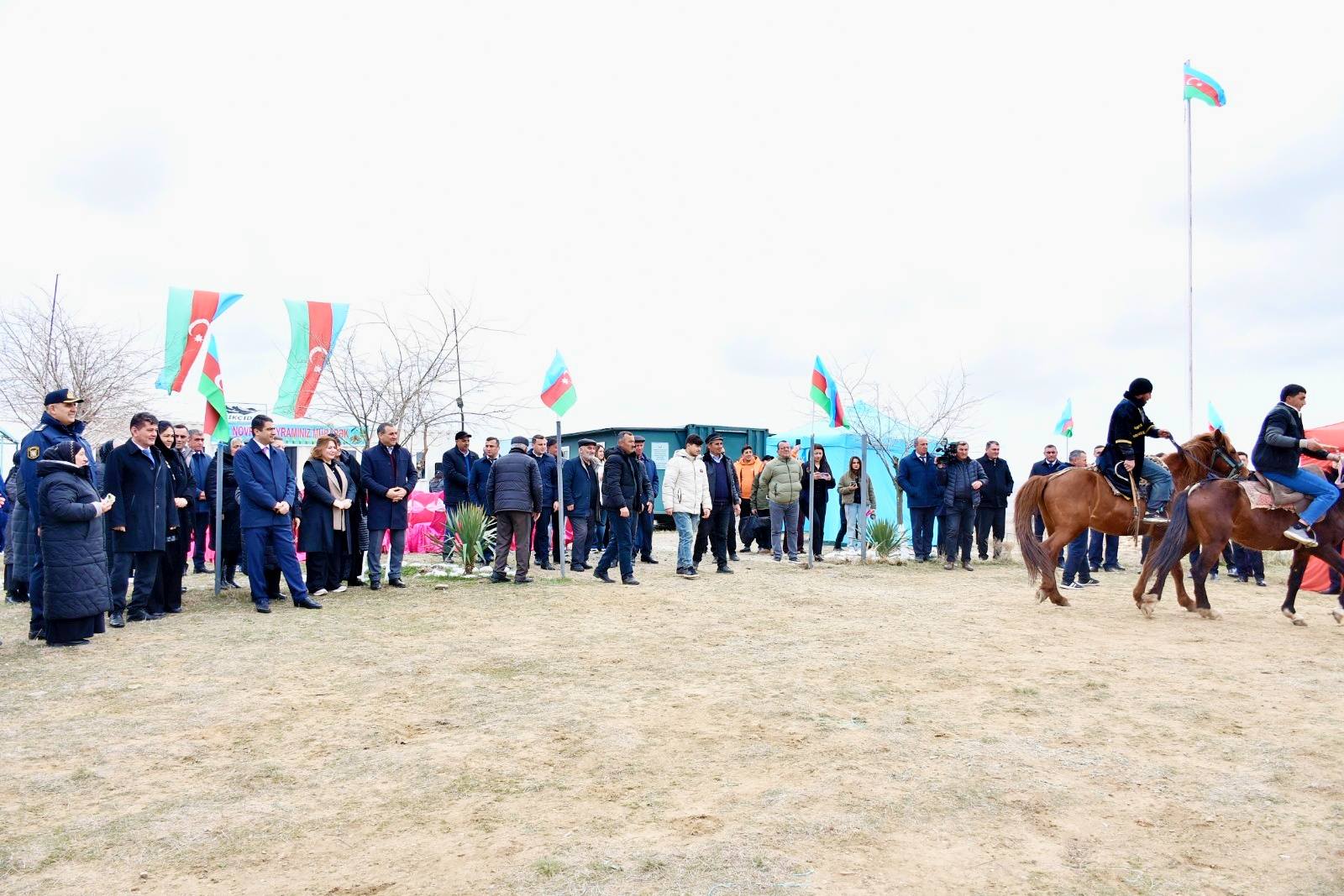
The event began at the Information Center of the reserve with the sounds of ancient musical instruments—gara zurna and nagara—and with the arrival of Kosa, Keçəl, and young people in national costumes riding specially decorated Dilbaz horses.
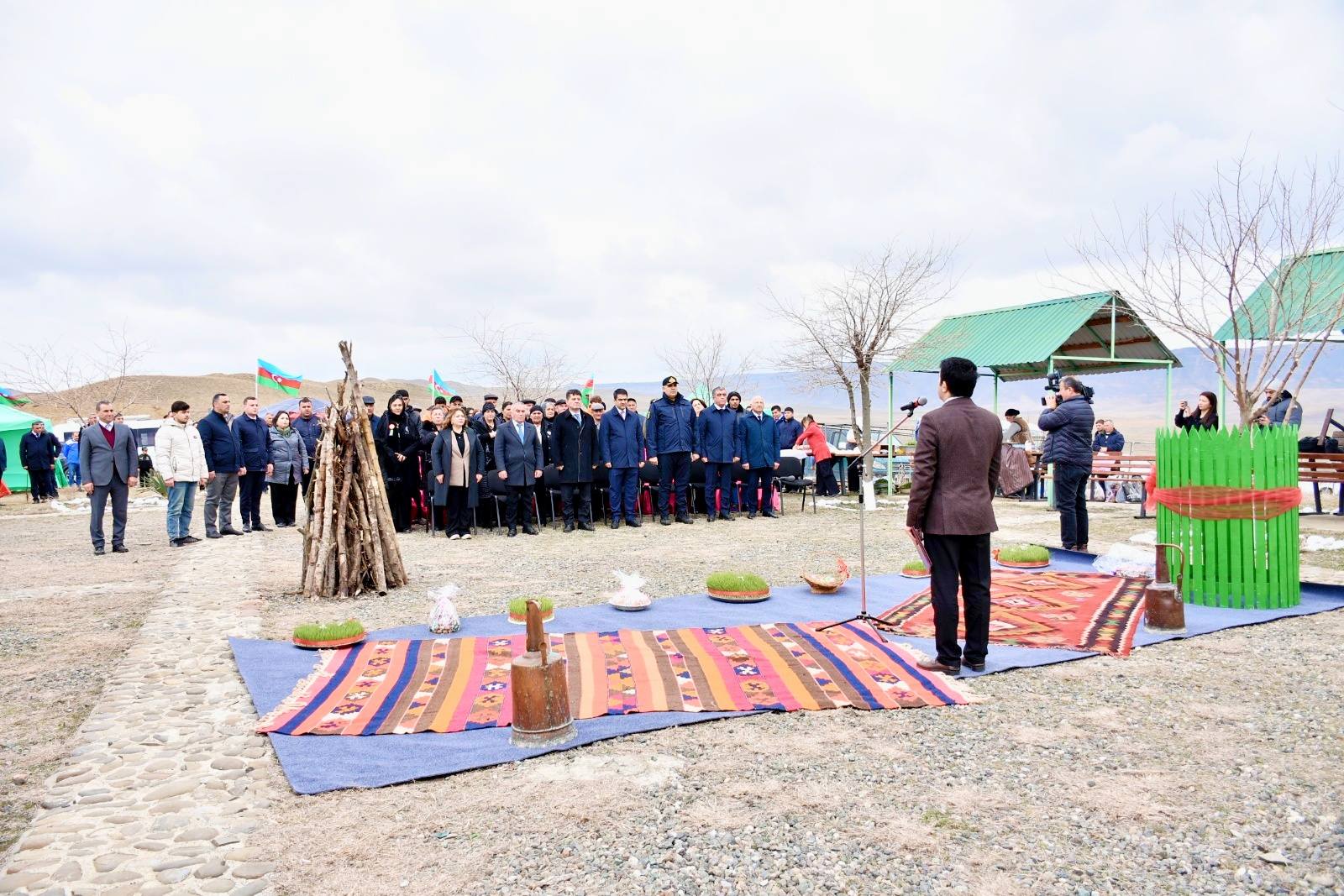
During the event, the National Anthem of the Republic of Azerbaijan was performed. The memory of the National Leader Heydar Aliyev and all martyrs who sacrificed their lives for the freedom of the Motherland was honored with a minute of silence.
The Head of the Aghstafa District Executive Power, Seymur Orucov, officially opened the event and congratulated the participants on the holiday. Later, the director of the reserve, Musa Mursaquliyev, emphasized the importance of organizing such an event.
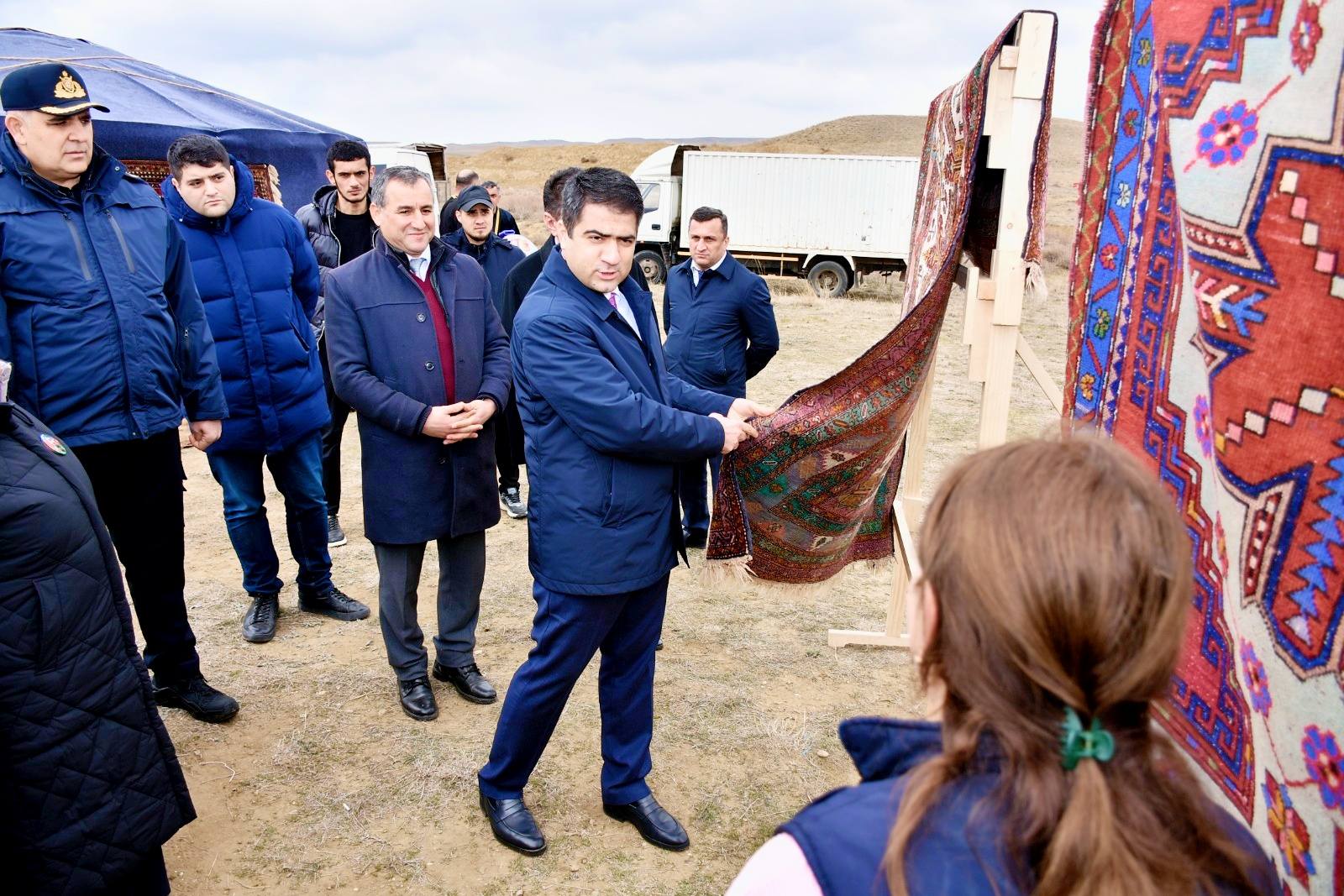
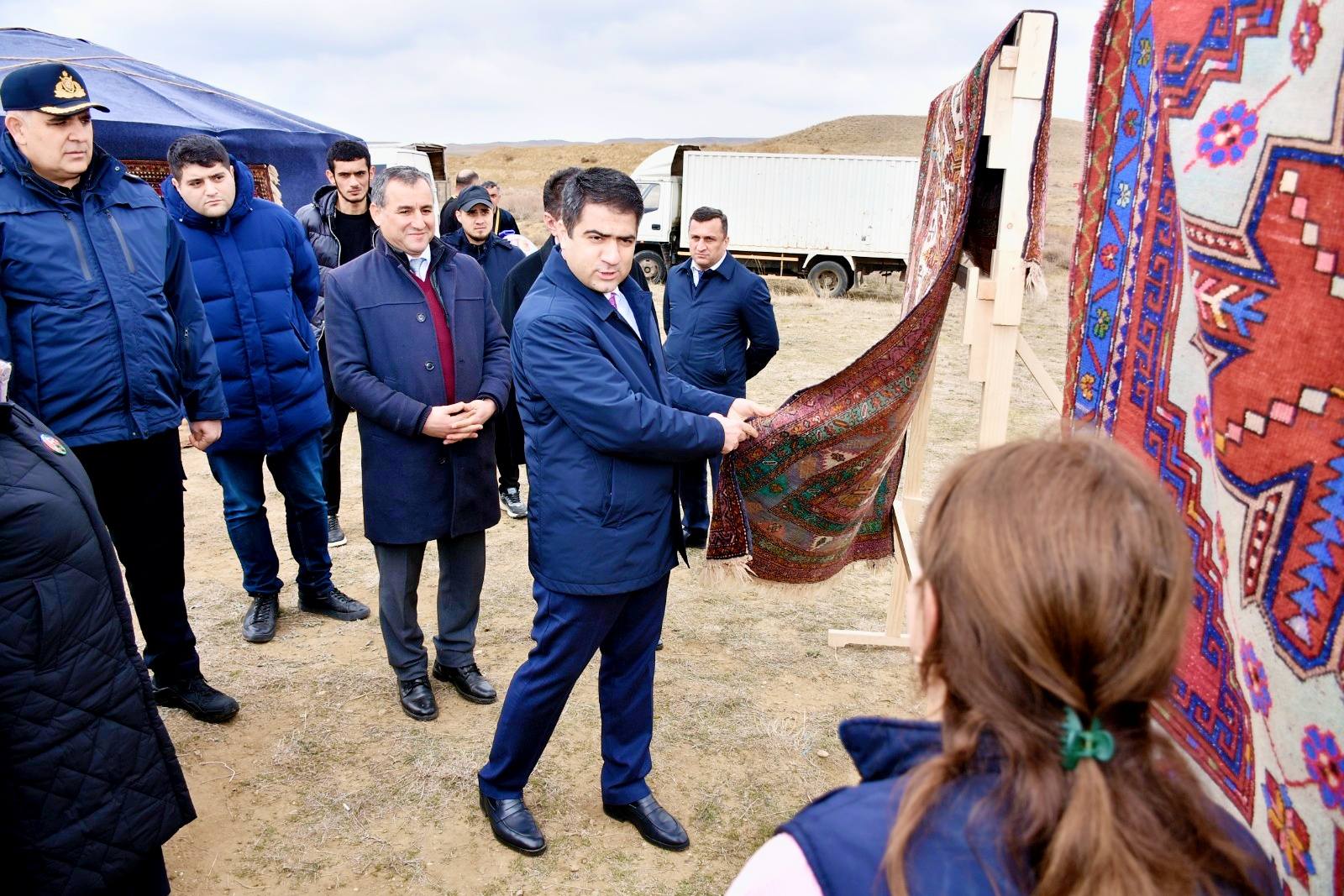
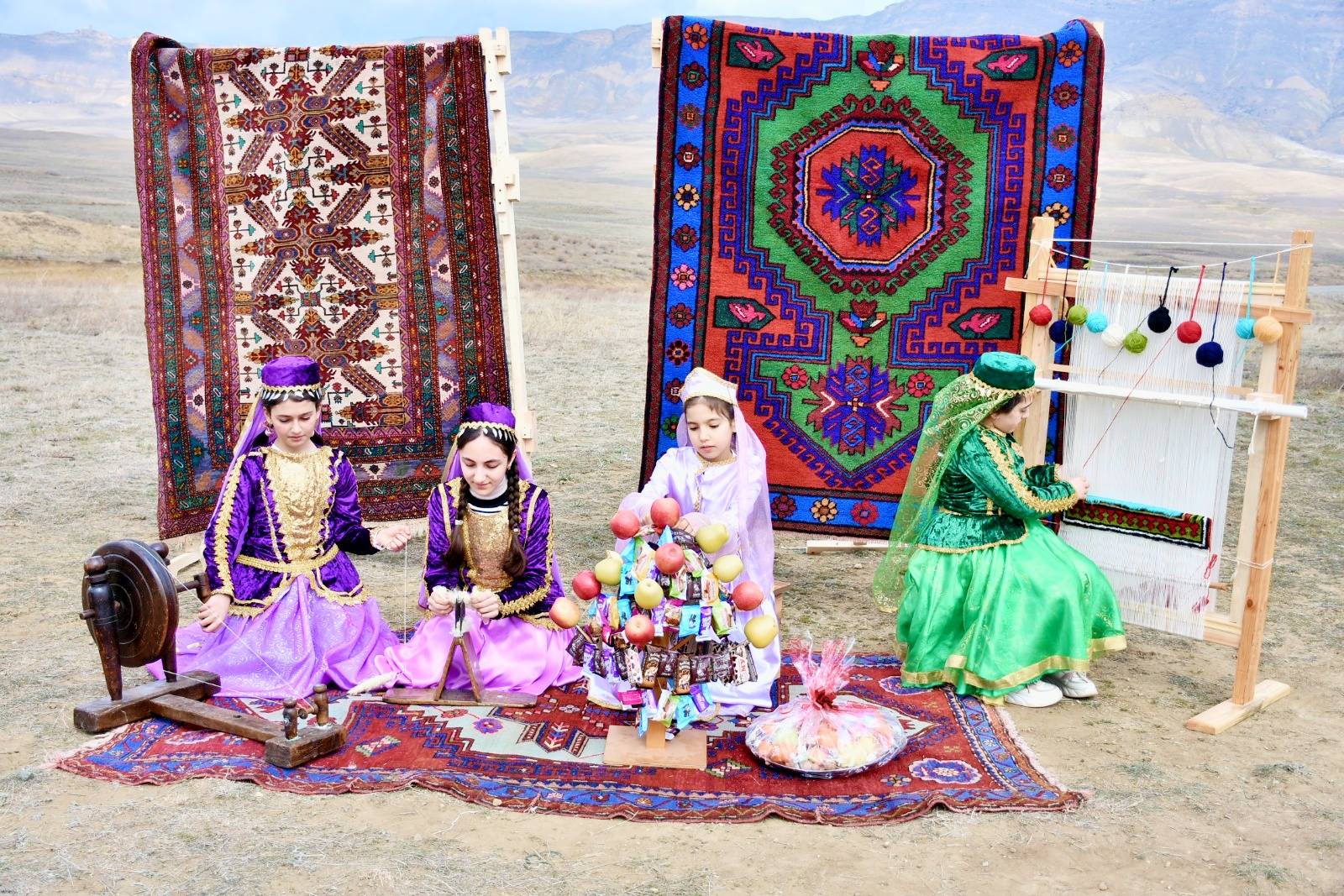
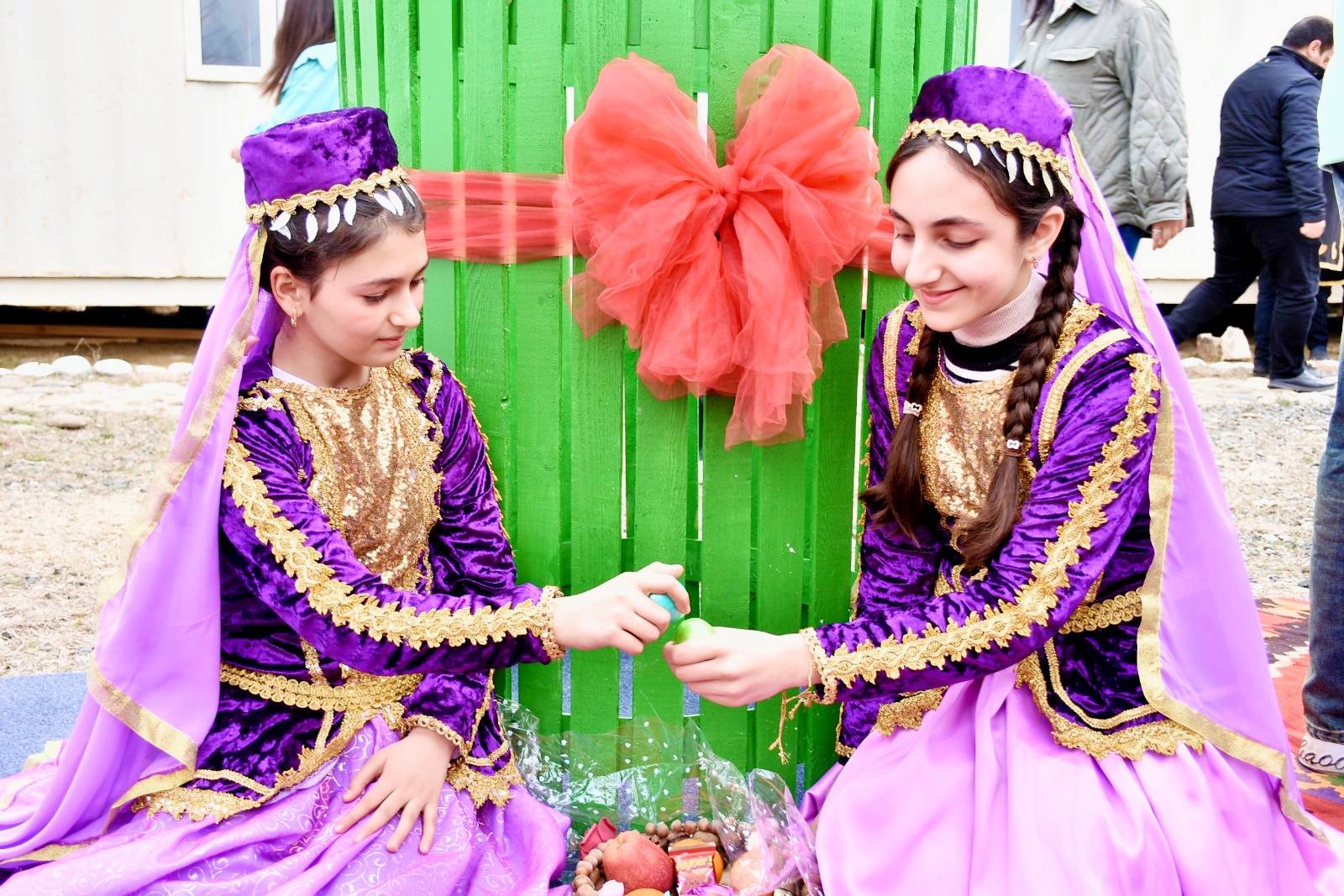
Within the framework of the event, wise sayings were delivered from the perspective of Dede Gorgud, considered the prototype of the epic “Kitabi Dede Gorgud.” Guests also became acquainted with festive decorations, carpets and ceramic works decorated with Novruz attributes.
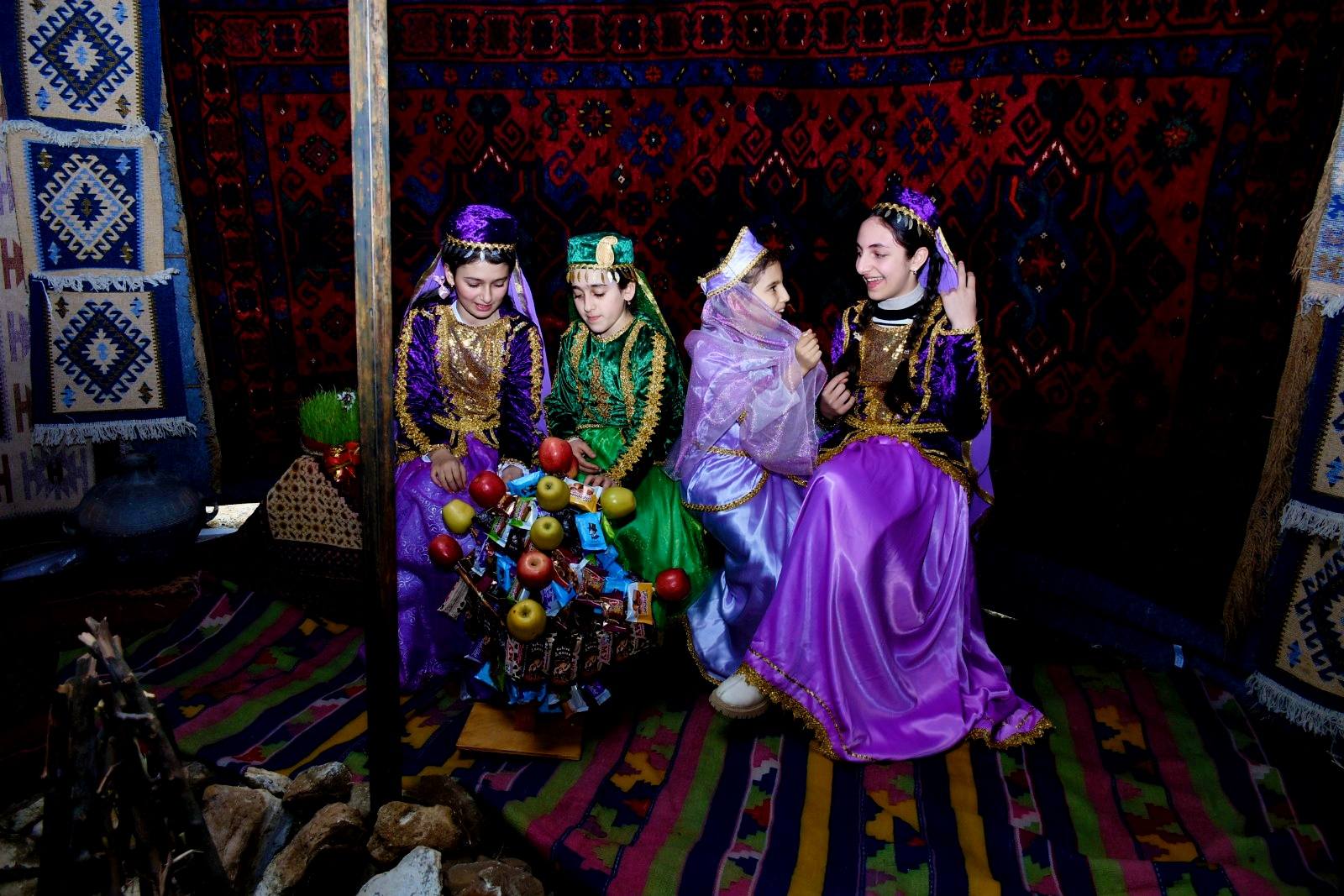
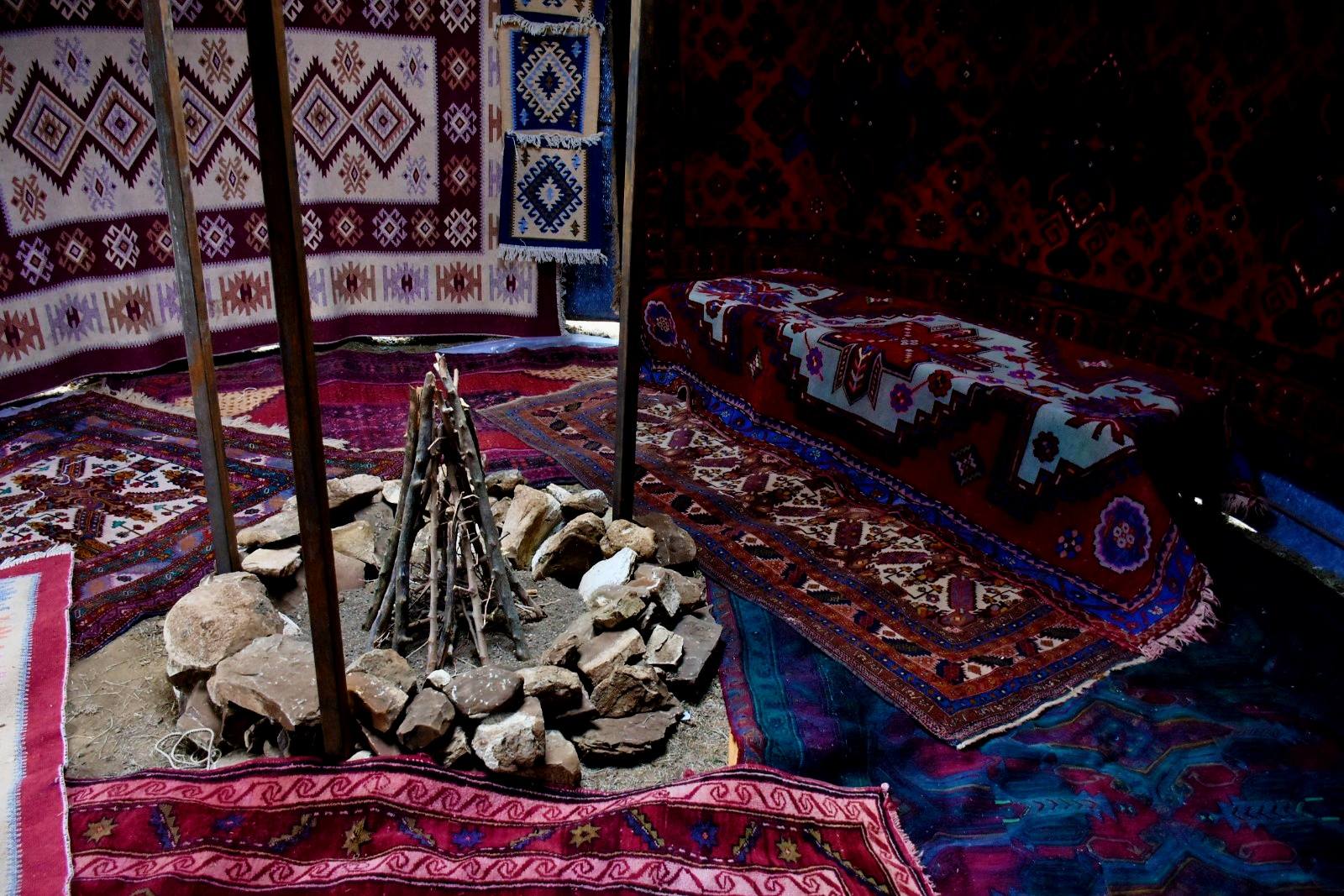
A yurt (alaçıq) was presented as a vivid example of nomadic life. It demonstrated the traditions of nomadic lifestyle and steppe culture that played an important role in the formation of ancient Turkic ethnogenesis. The structure and interior arrangement of the yurt reflected the ability of Turkic tribes to adapt to nature as well as their family and household traditions.
Inside the yurt, carpets, kilims and ancient household items were placed to recreate the living environment of nomadic families. The surroundings of the yurt were decorated with Novruz symbols.
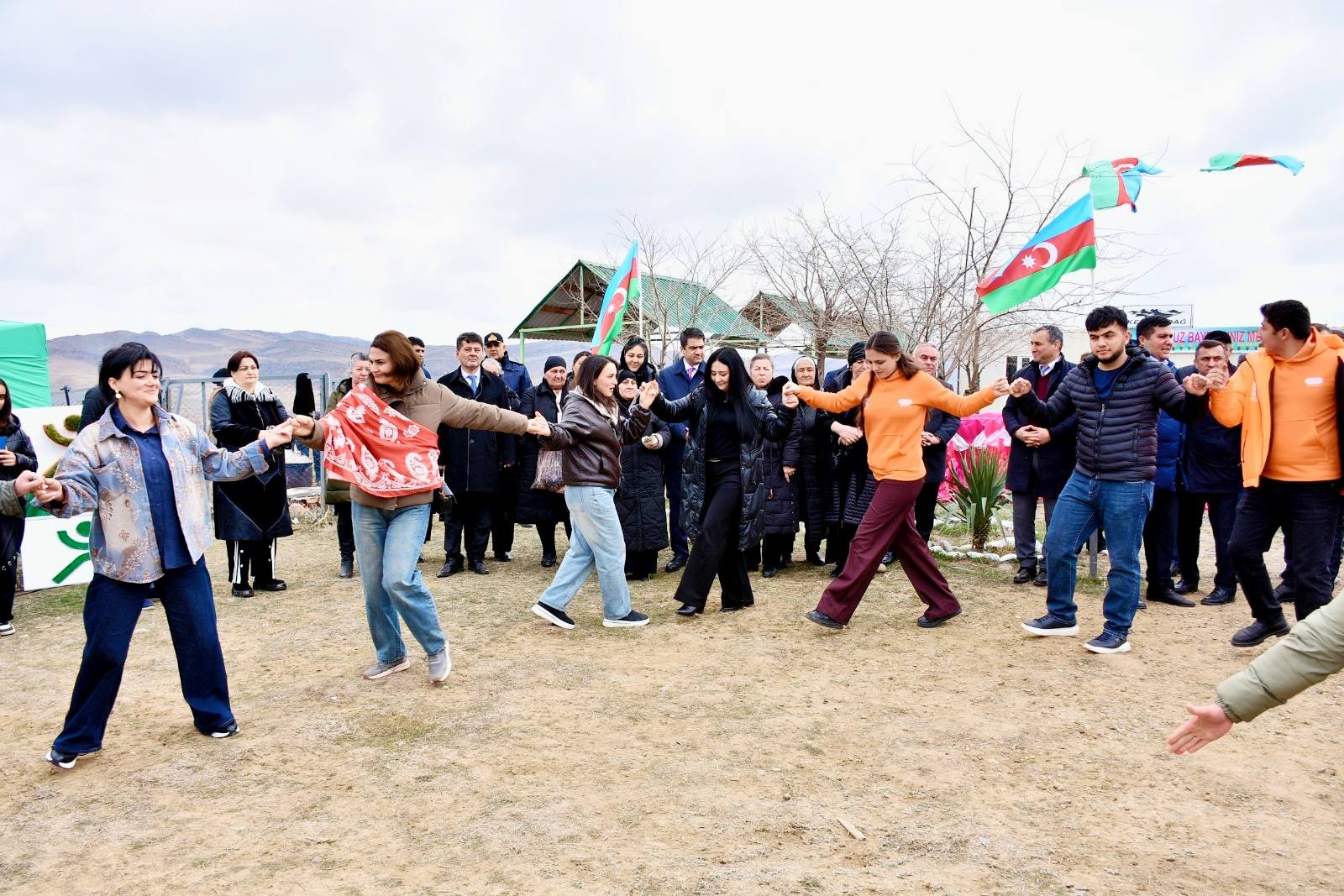
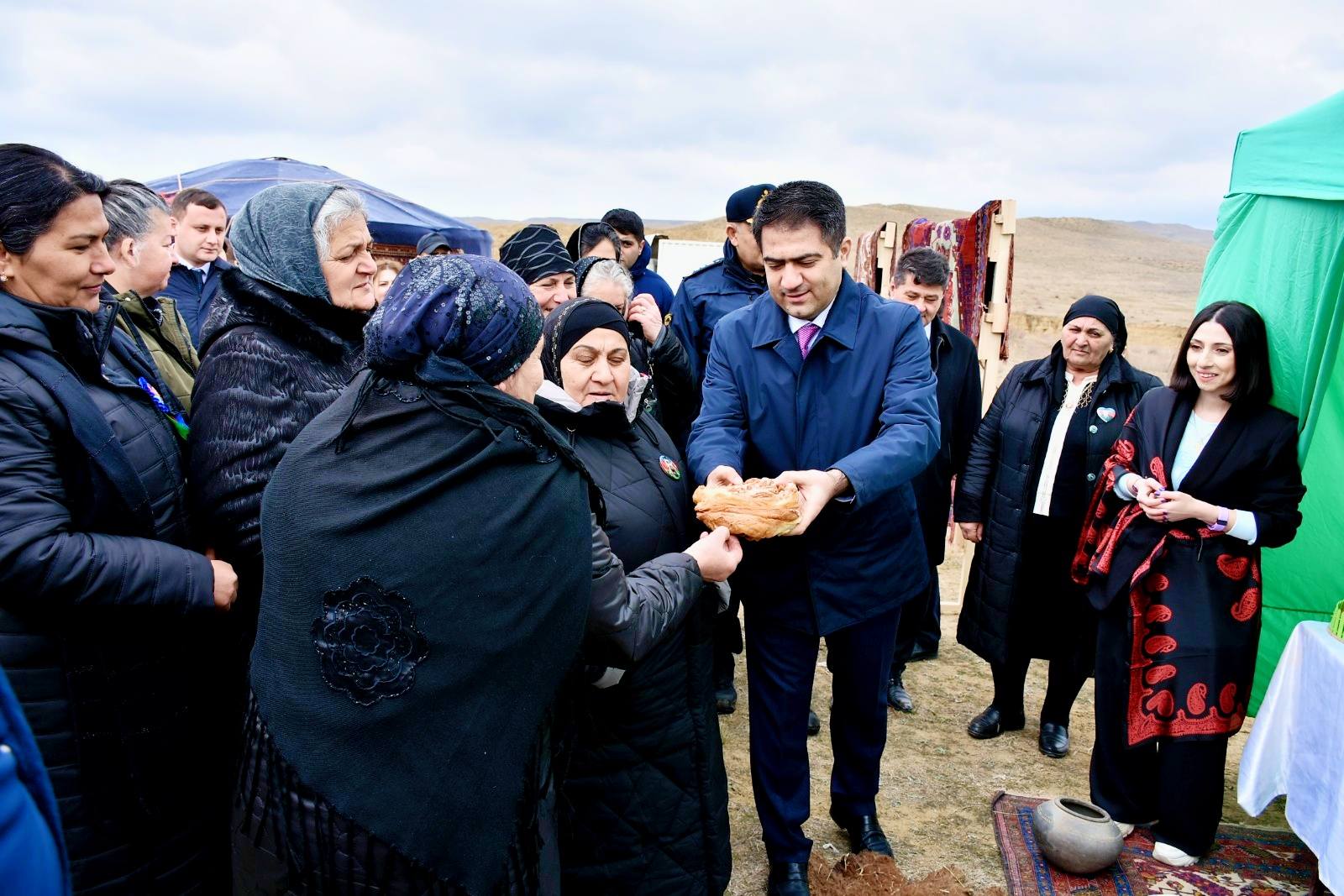
As part of the event, folk games were performed, young girls recited bayati and haxışta, and performances of national musical instruments and traditional dances were presented. Guests were offered delicious national sweets such as pakhlava, shekerbura, gogal, and herb kete.
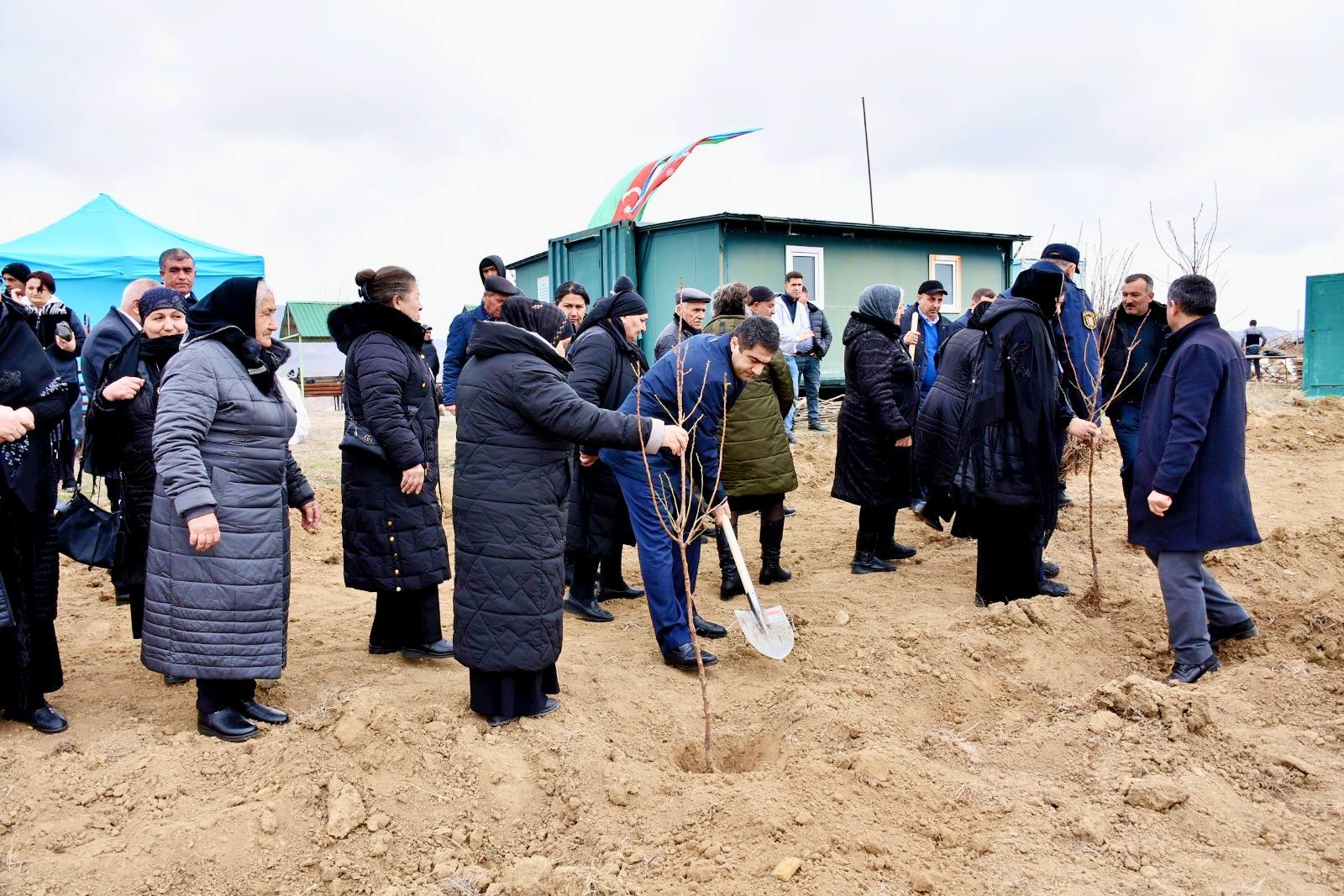
Additionally, almond saplings were planted in the “Friendship Garden” established around the Information Center of the reserve with the participation of families of martyrs and veterans.
The event served to increase respect for national and cultural values among the younger generation and to strengthen their interest in cultural heritage.