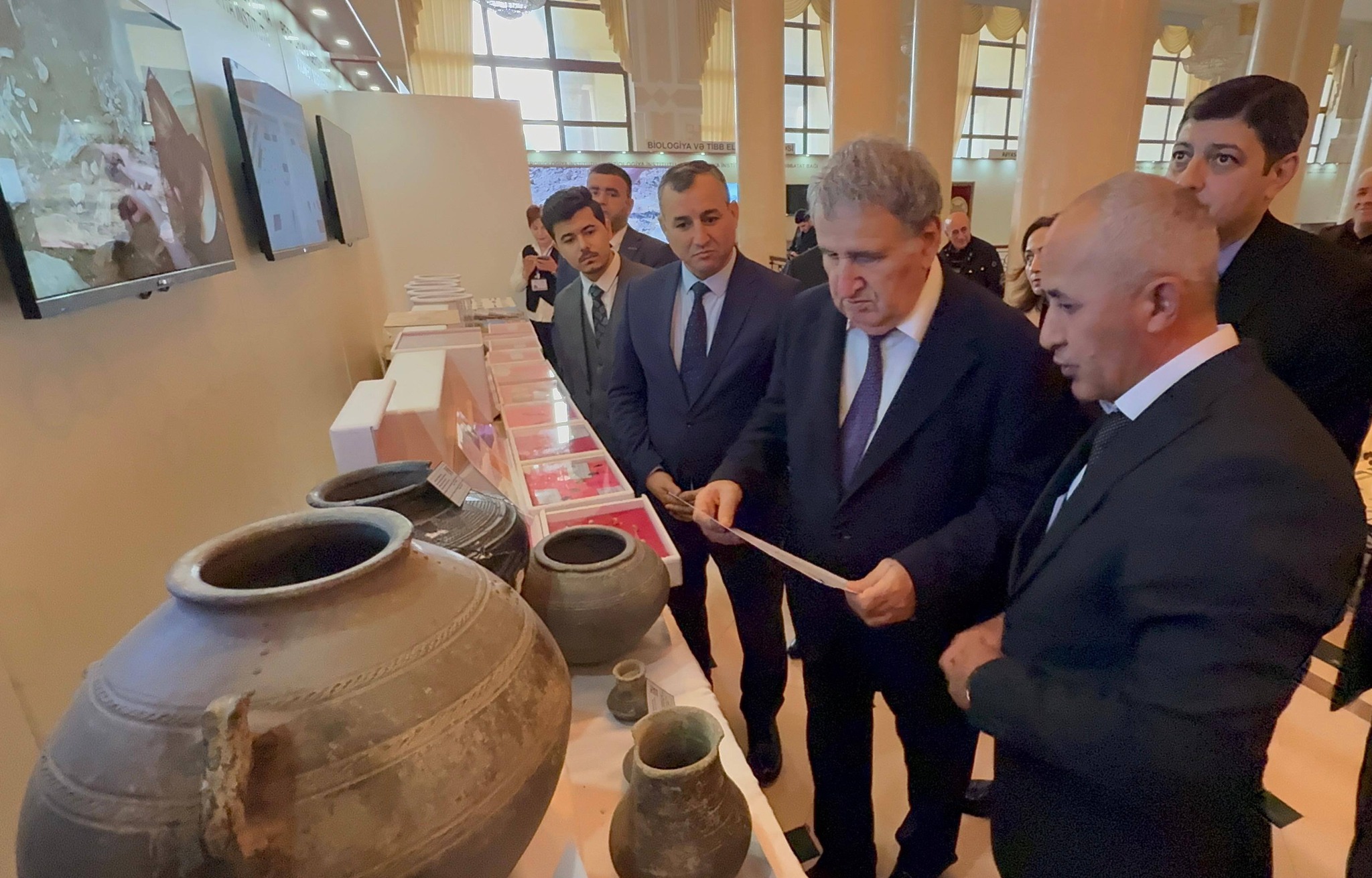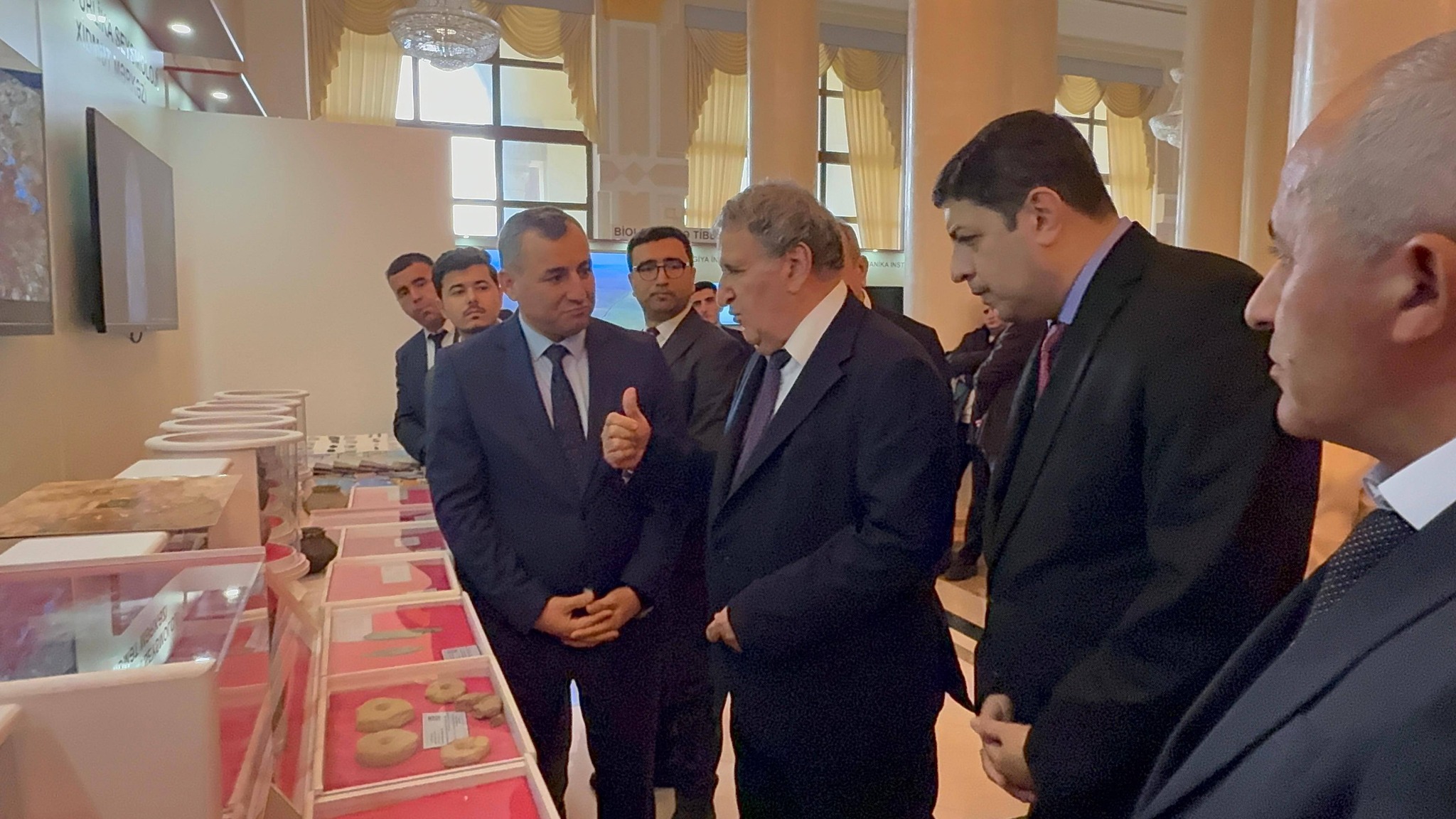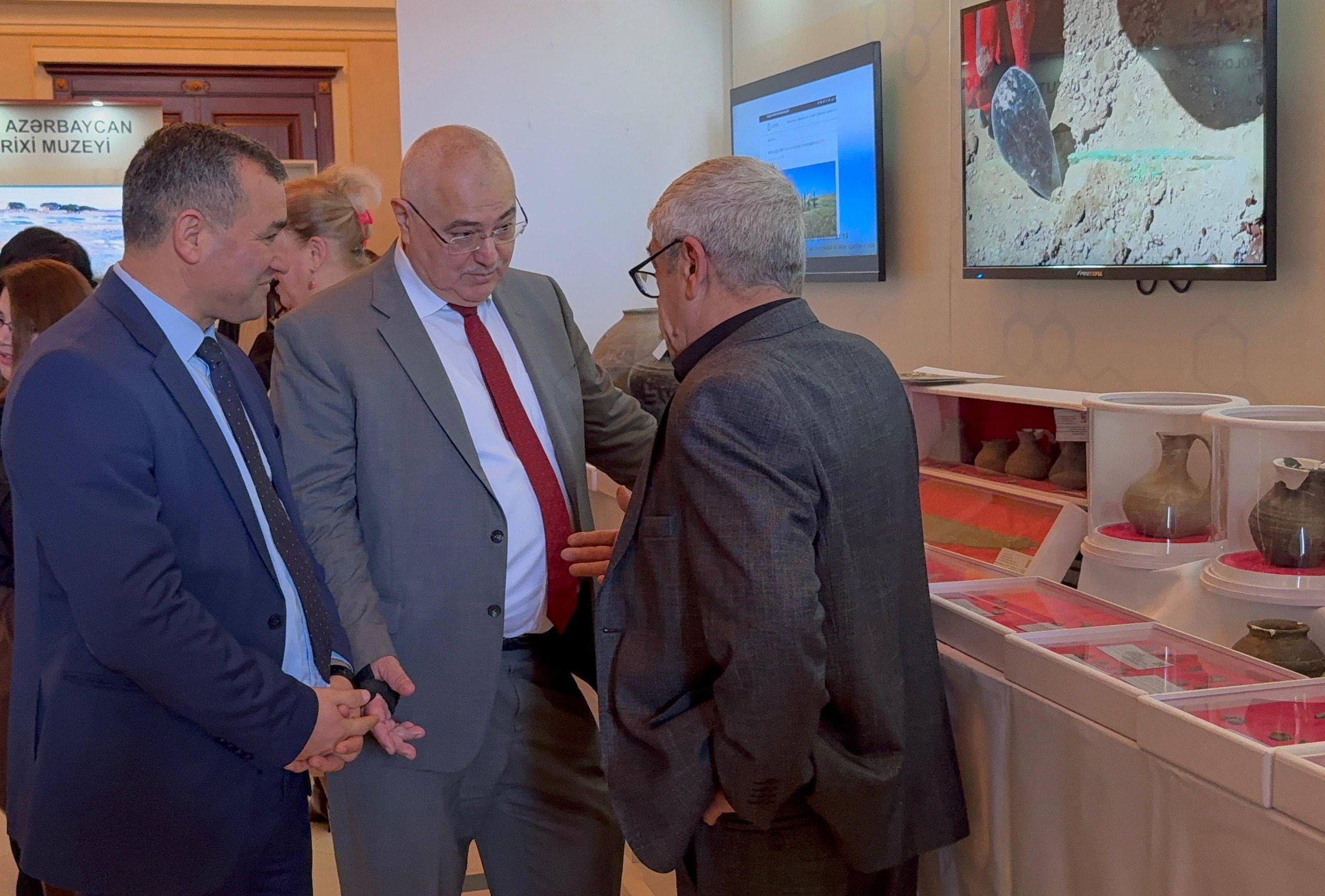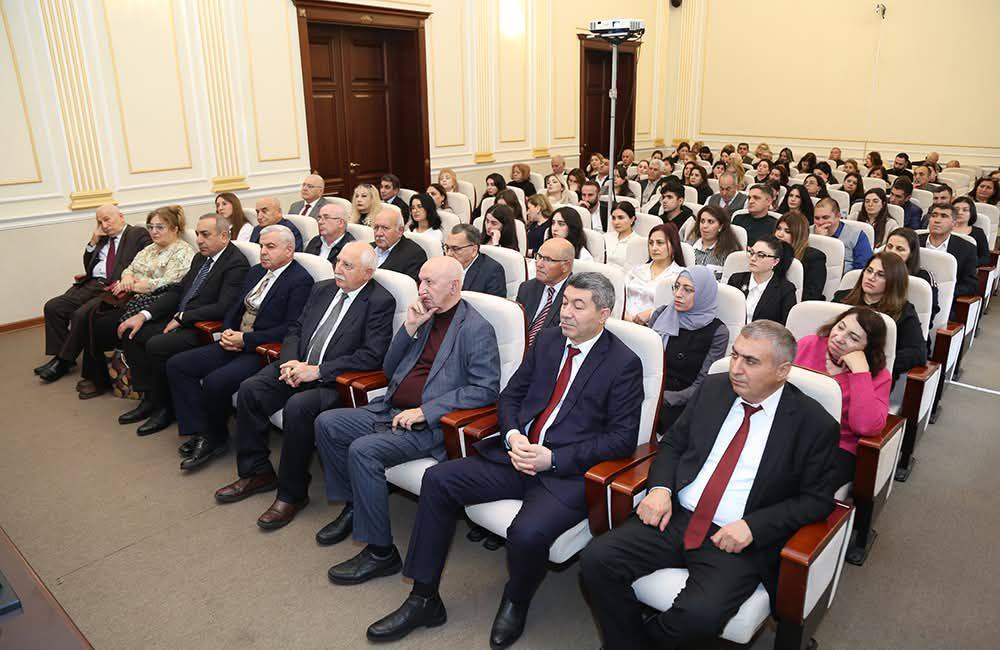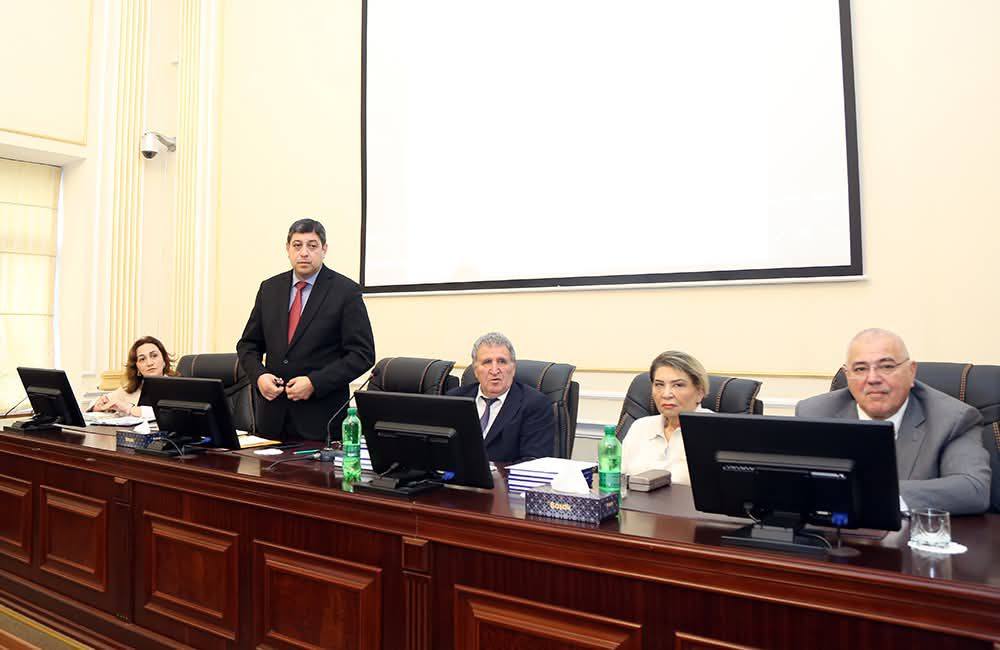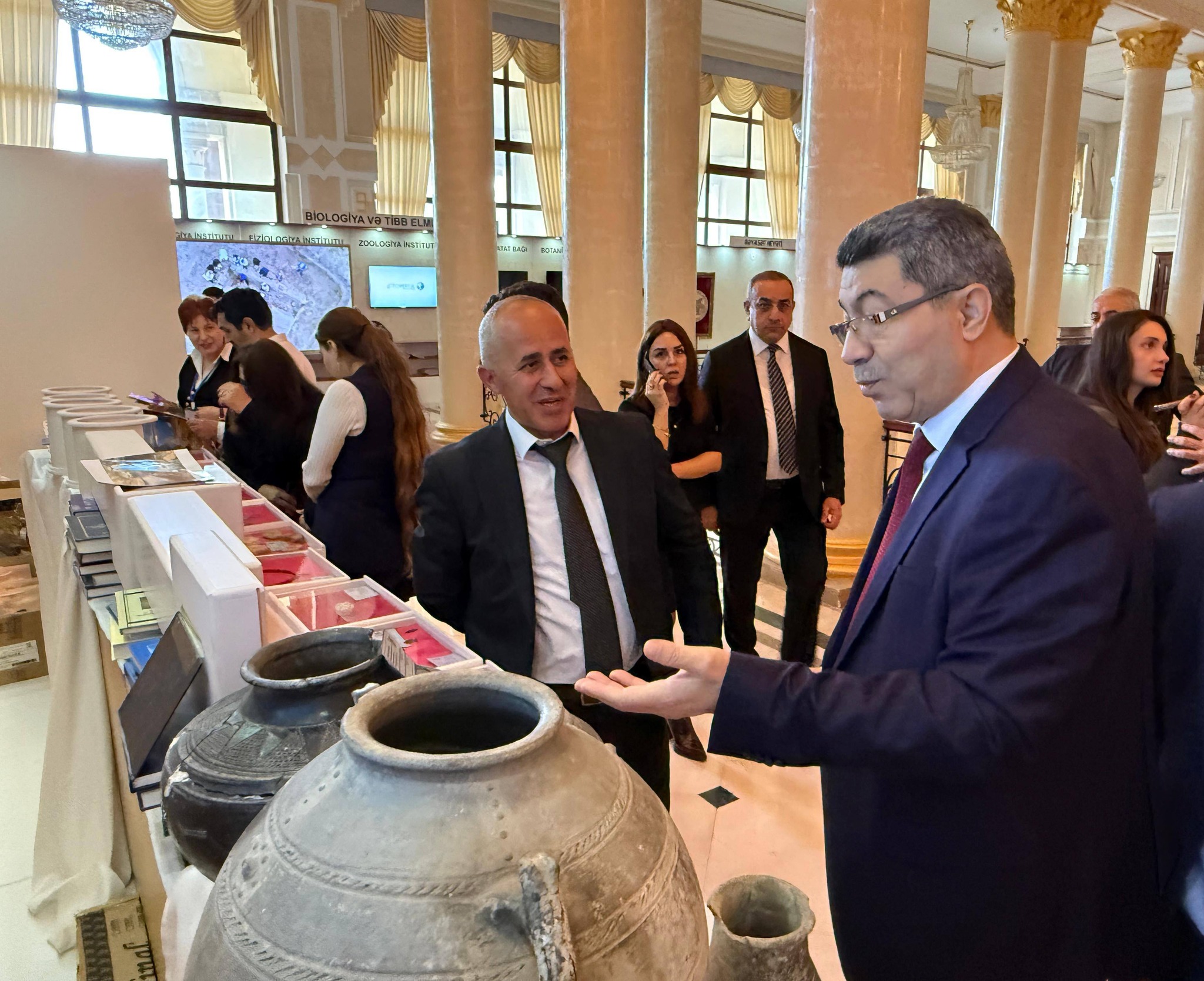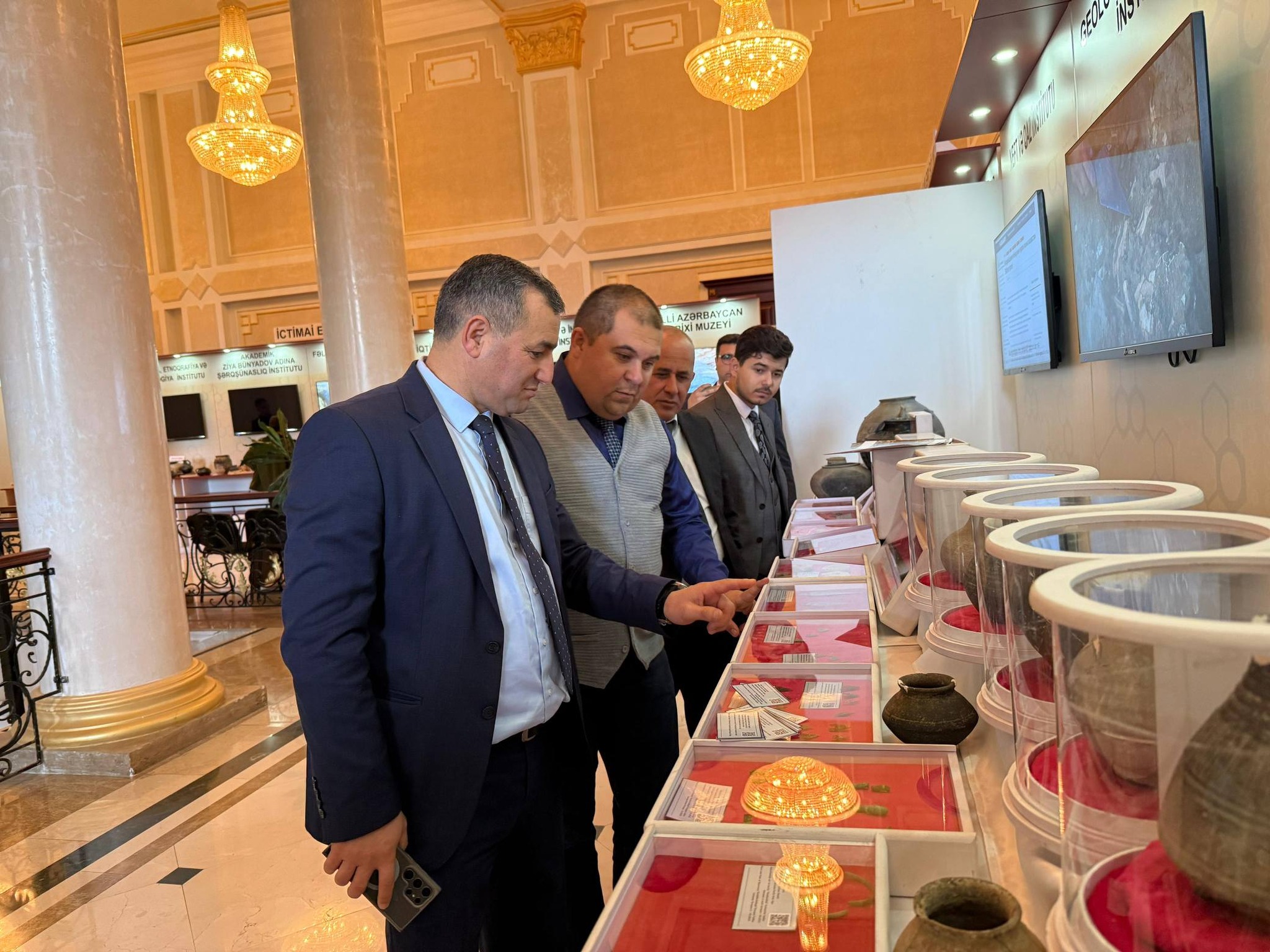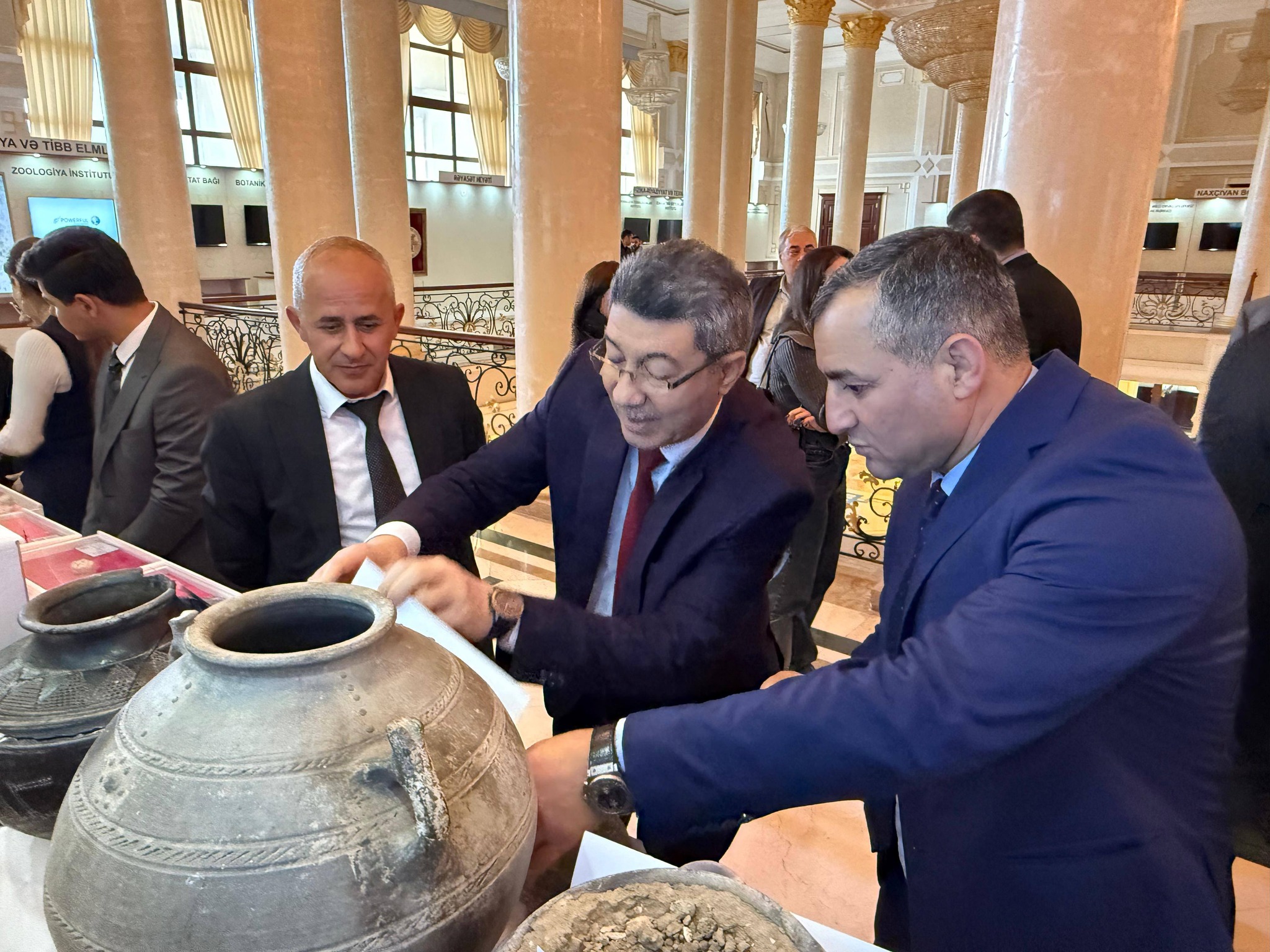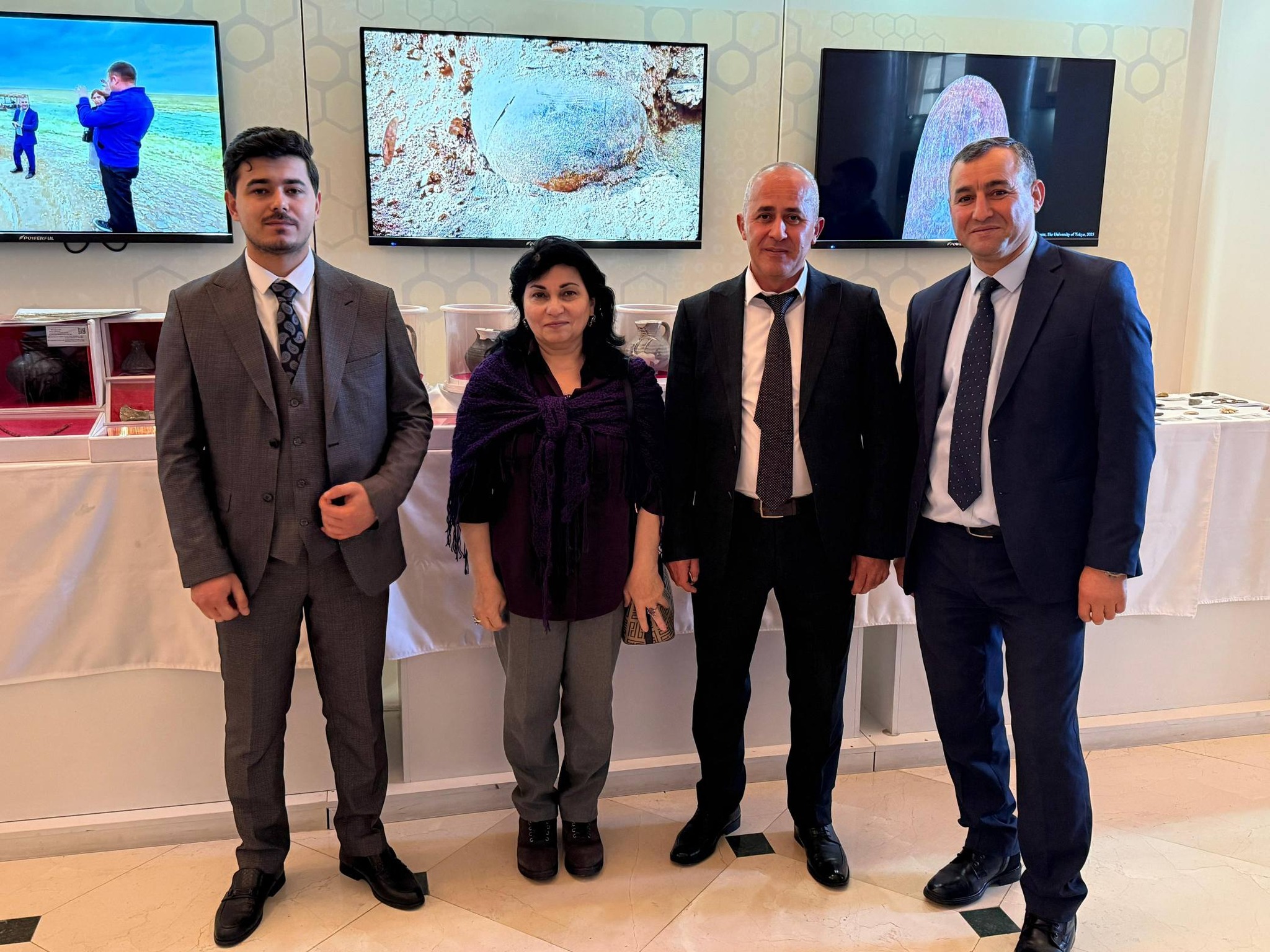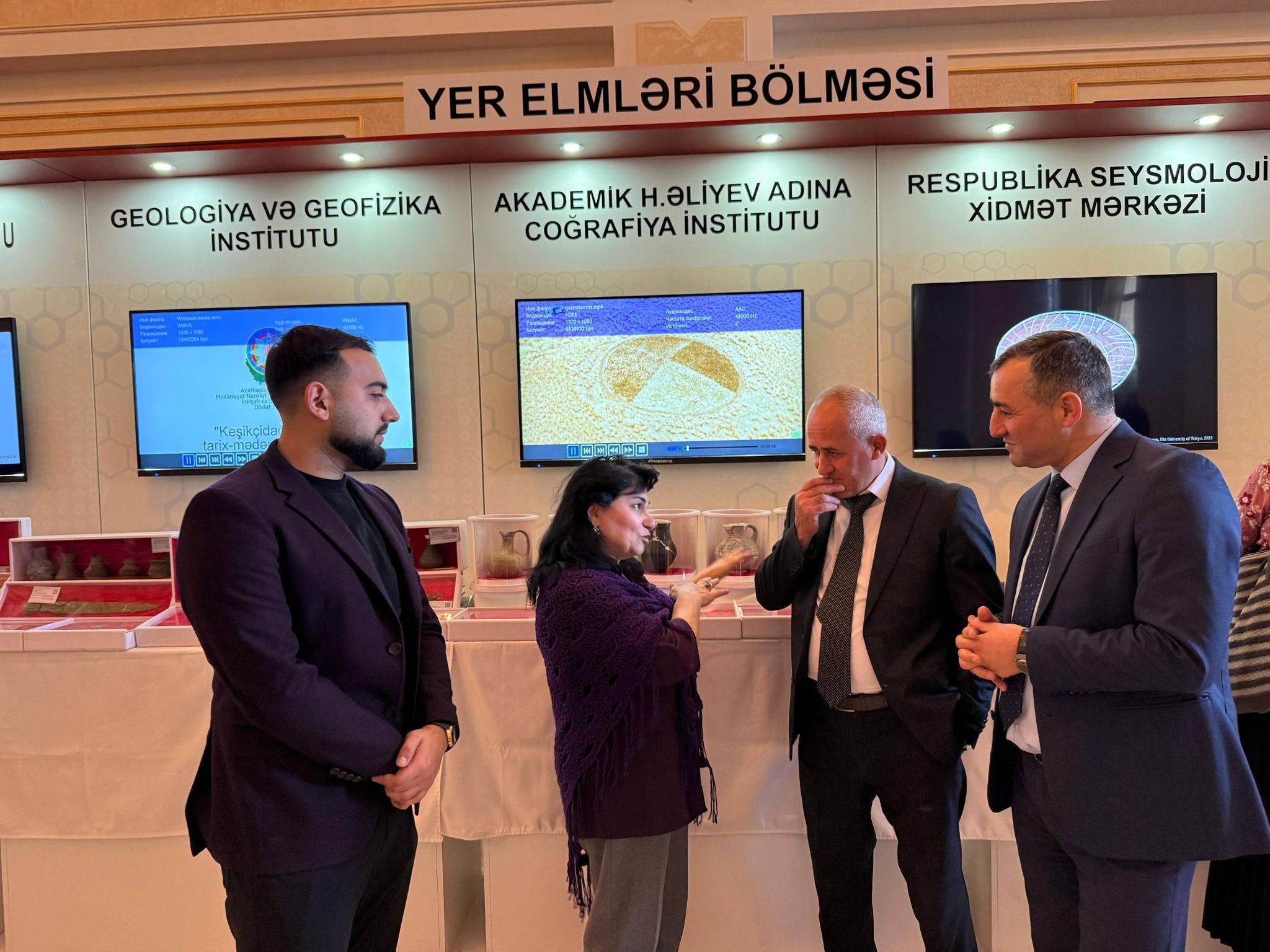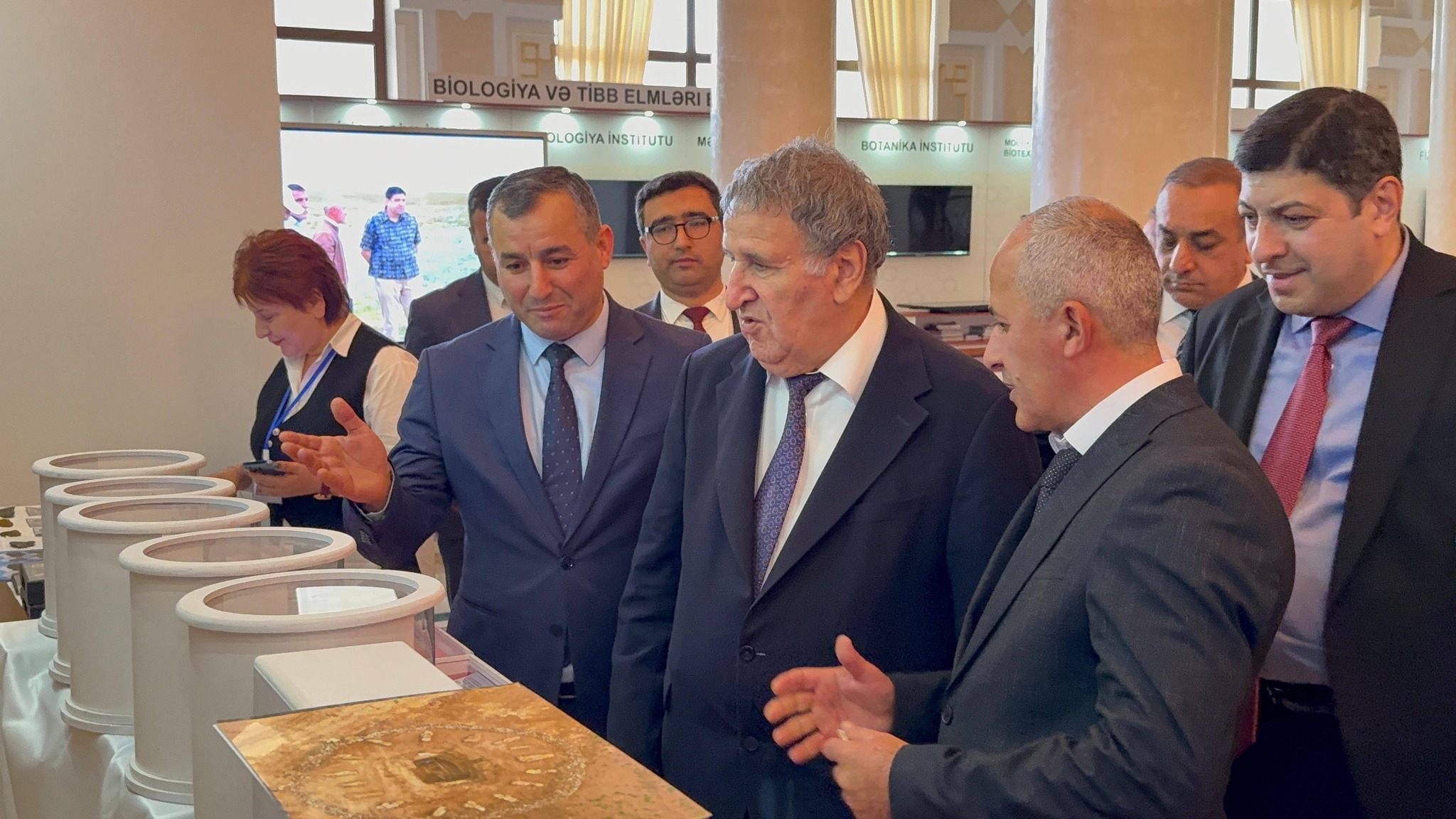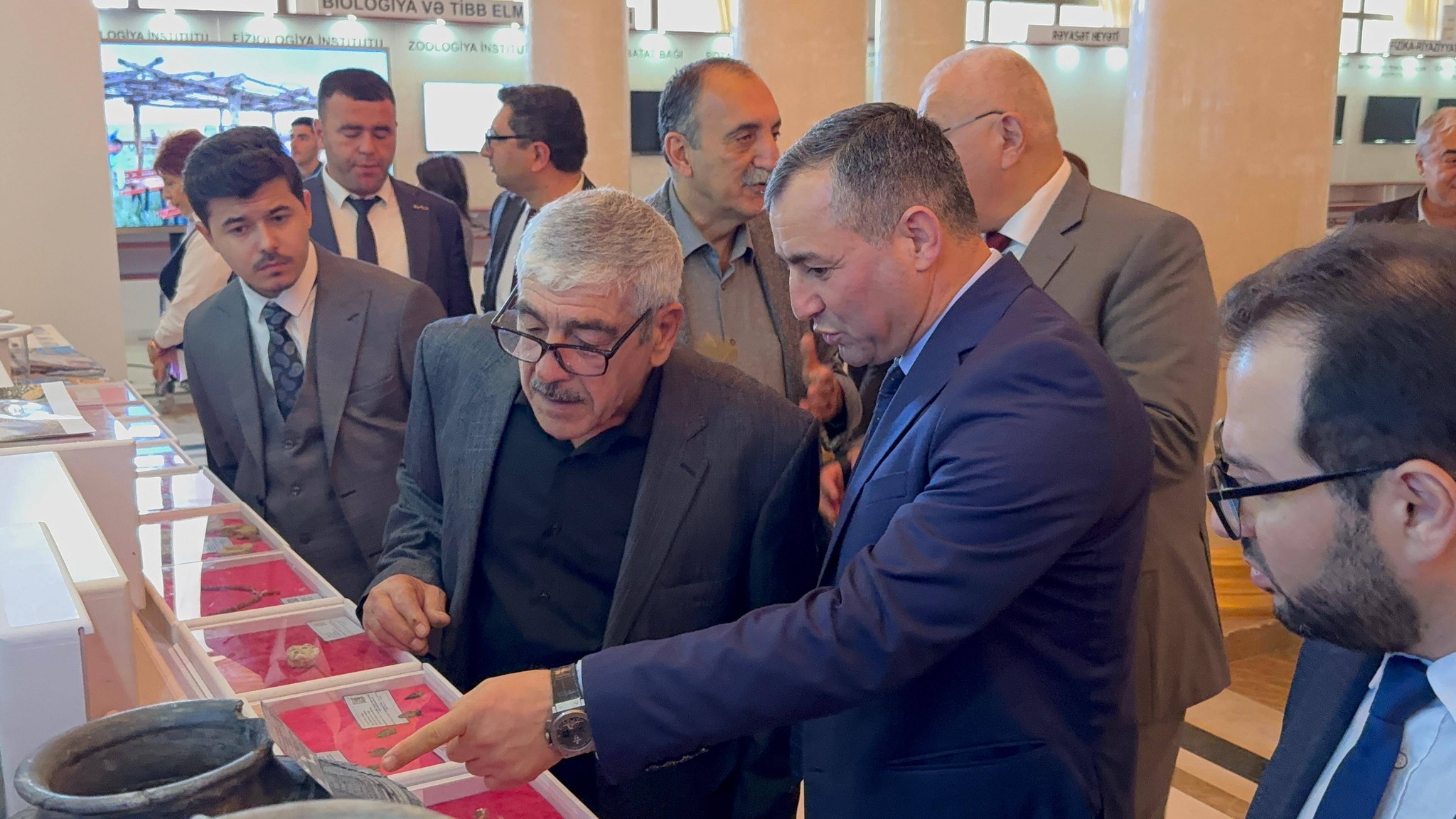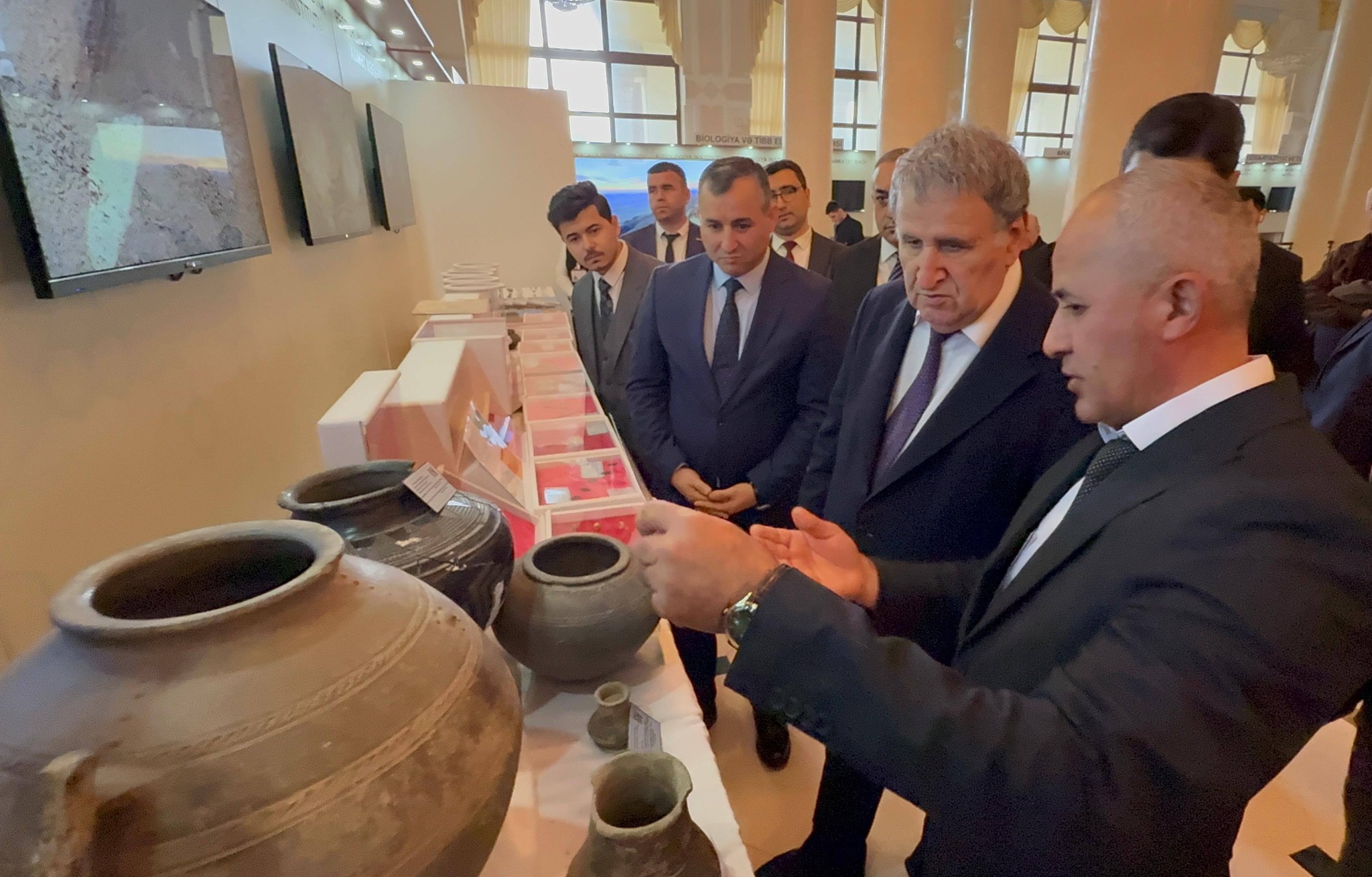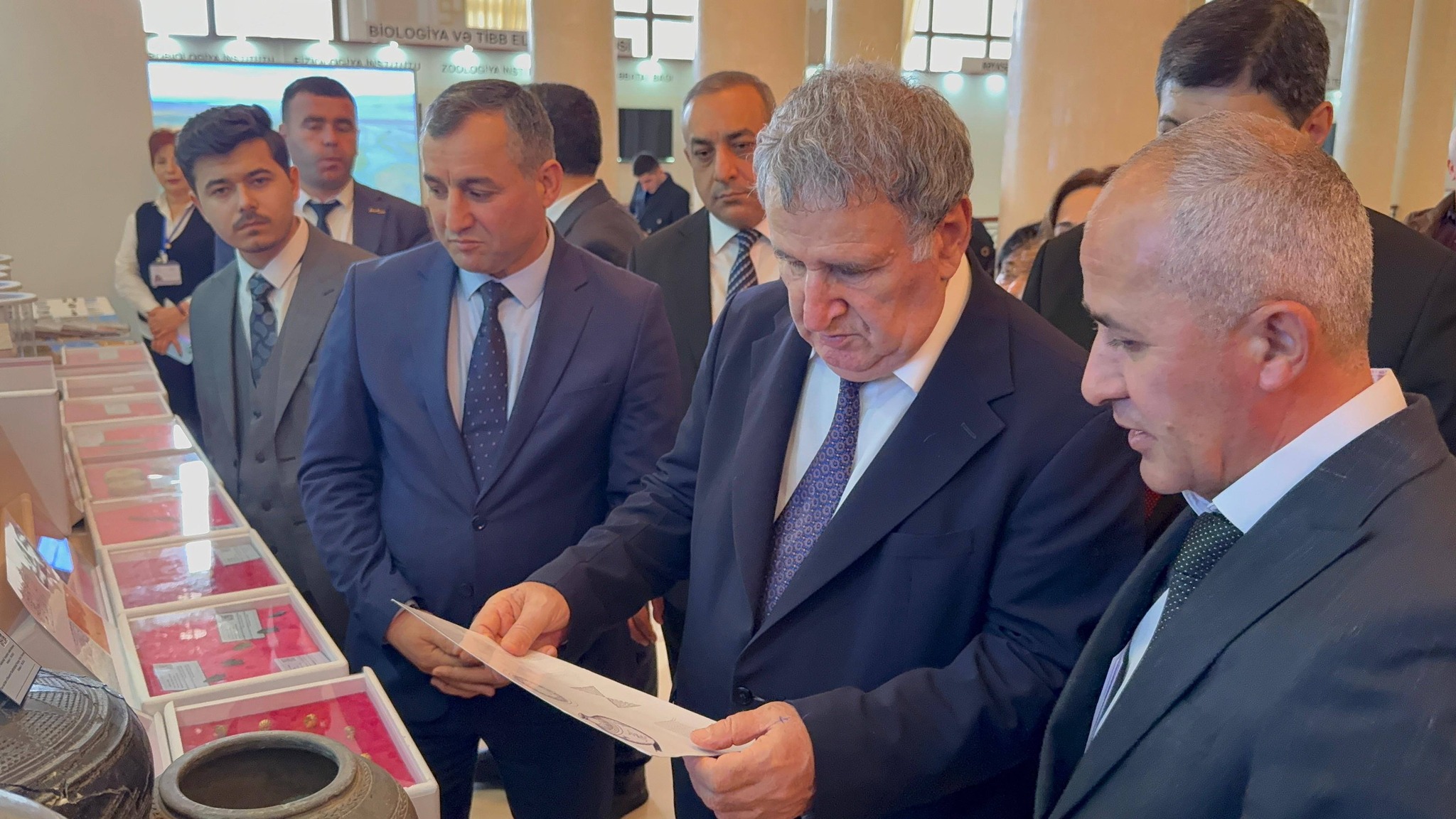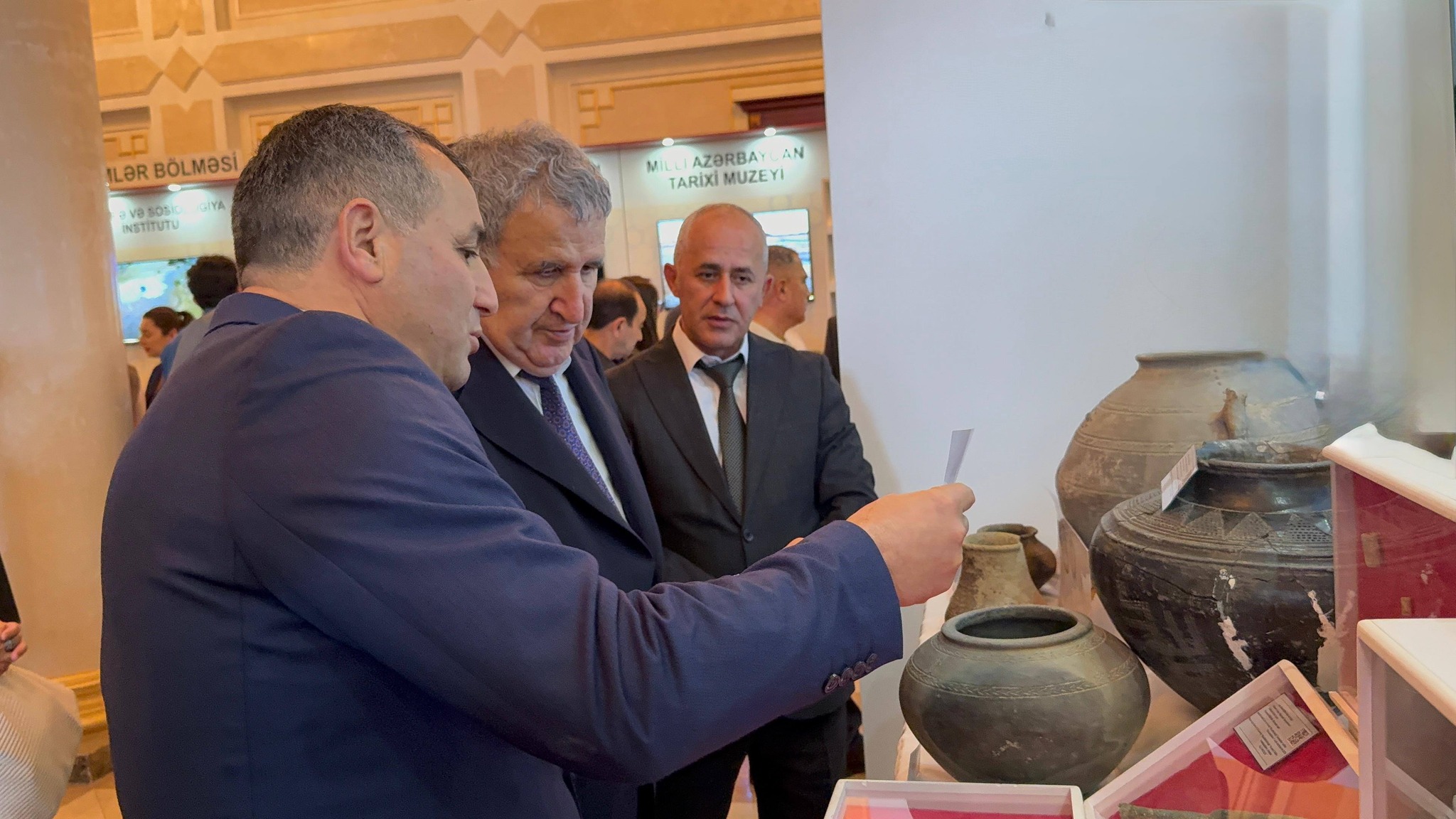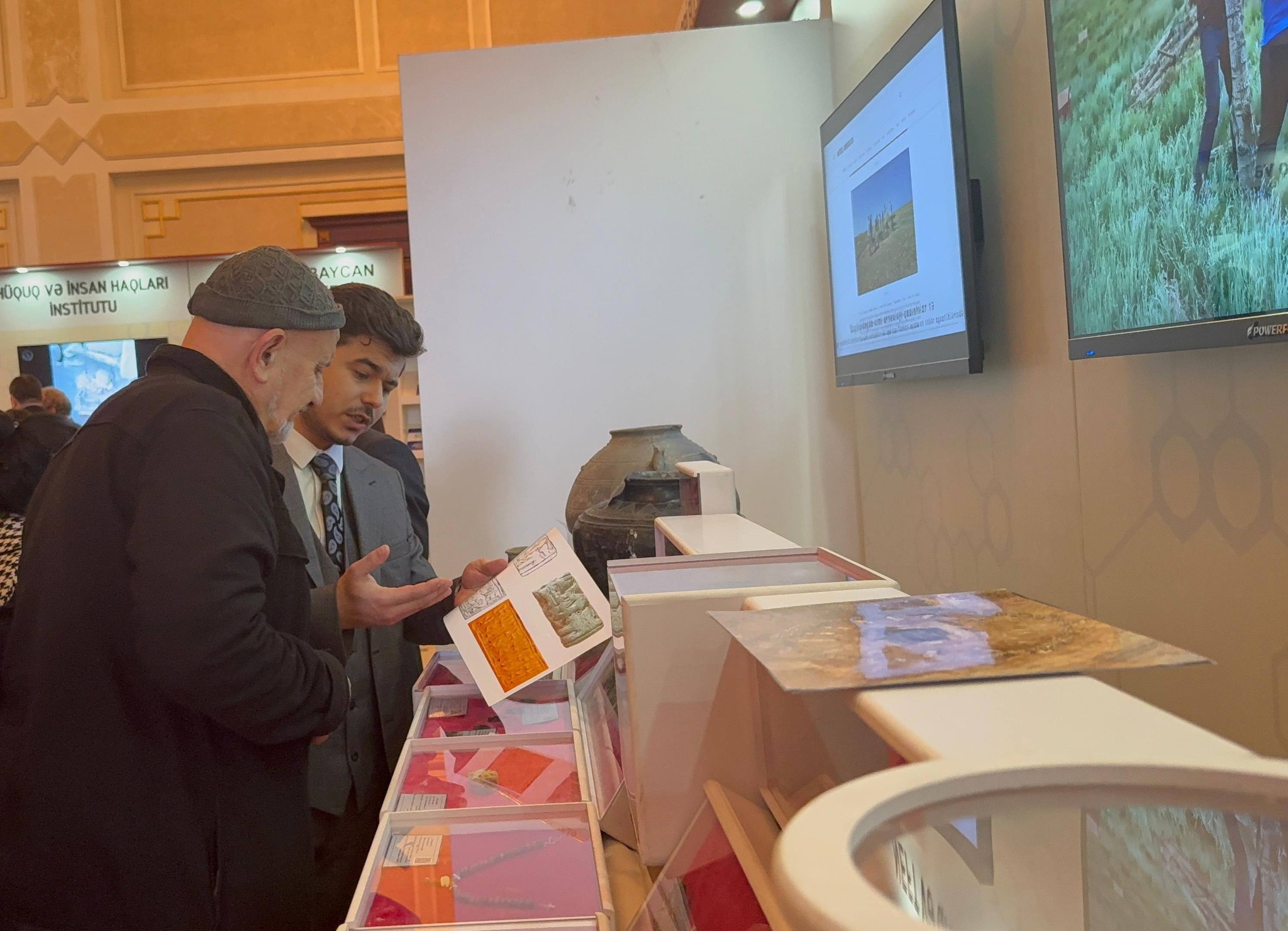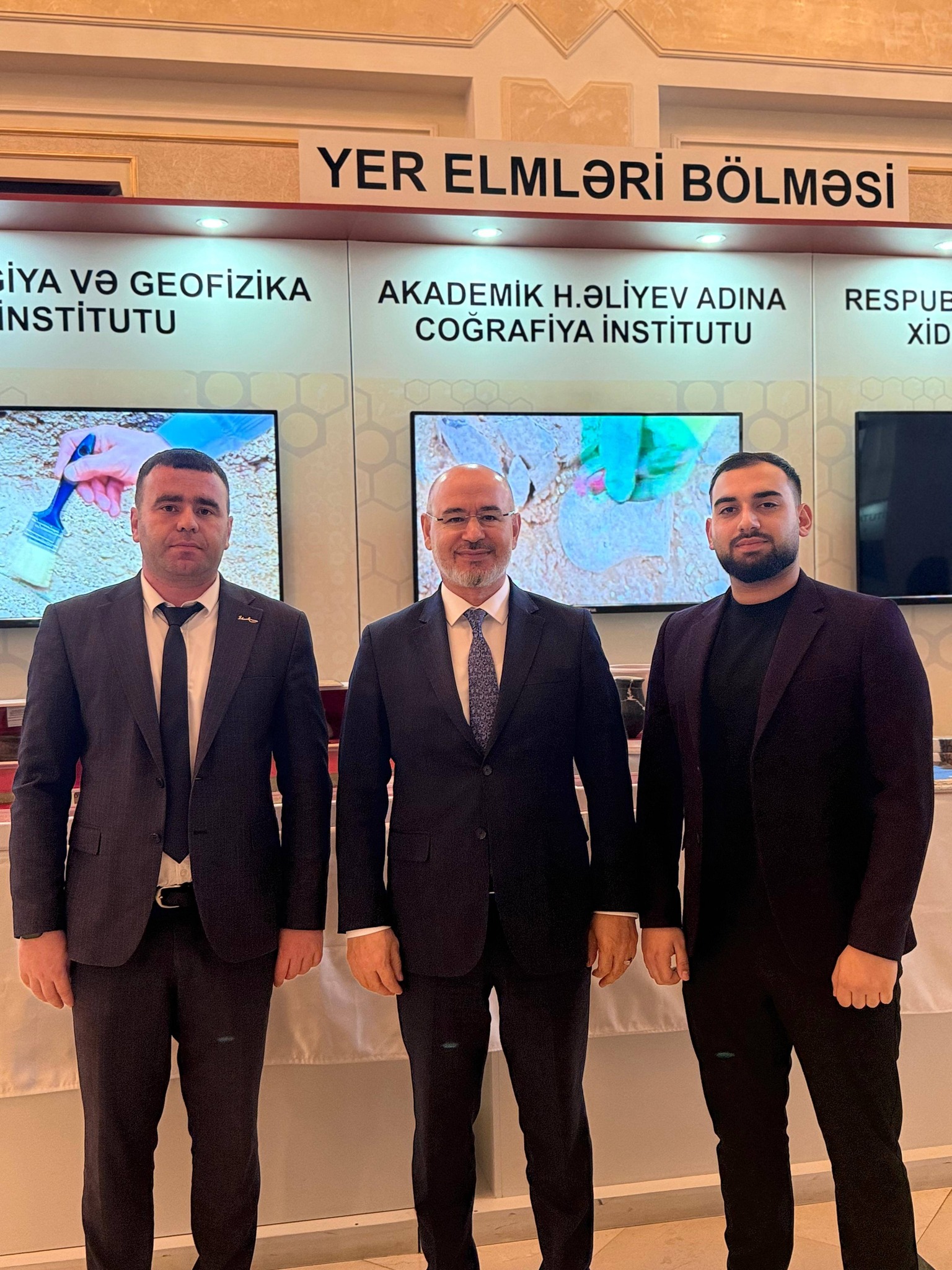
An annual reporting meeting dedicated to summarizing the scientific research and scientific-organizational activities for 2025 was held at the Institute of Archaeology and Anthropology of ANAS. At the beginning of the meeting, participants were introduced to an exhibition presenting the results of archaeological research conducted by the Institute throughout the year in various regions of Azerbaijan, including Karabakh and Eastern Zangezur. The exhibition showcased significant archaeological artifacts discovered during field expeditions, as well as newly published monographs, scholarly books, and academic journals prepared by the Institute’s staff. Within the framework of the event, the “Keşikçidağ,” “Avey,” and “Ancient Shamkir City” State Historical and Cultural Reserves, which are under the administration of the State Service for the Protection, Development, and Restoration of Cultural Heritage under the Ministry of Culture, participated in the exhibition. Among them, the stands of the “Keşikçidağ” and “Avey” State Historical and Cultural Reserves attracted particular attention due to their scholarly richness and the rarity of the materials presented. The stand of the “Keşikçidağ” State Historical and Cultural Reserve primarily displayed archaeological finds dating to the Bronze and Iron Ages. Exhibits such as a four-edged spearhead, a Mitanni seal, Bronze Age Scythian arrowheads, jewelry items, and weapons made of obsidian and flint are of exceptional scientific importance for understanding the region’s ancient military-political, economic, and cultural relations. These discoveries not only demonstrate the connections of the Keşikçidağ area with the cultures of the Ancient Near East and Asia, but also constitute an important source for the study of Bronze and Iron Age archaeology in Azerbaijan.
The stand of the “Avey” State Historical and Cultural Reserve presented archaeological materials dating to the Mesolithic, Neolithic, and Eneolithic periods. Stone tools, implements, and artifacts reflecting early economic activities clearly illustrated the stages of human settlement formation in the region, the transition from hunting to a sedentary lifestyle, and the emergence of early production relations. The materials obtained from research conducted at Mount Avey attracted special attention in terms of studying the early history of the South Caucasus and were met with great interest by the participants. The exhibition not only demonstrated the richness of the country’s archaeological heritage and the scholarly significance of the research conducted in 2025, but also once again highlighted the Institute’s growing reputation within national and international academic circles. The meeting also addressed research priorities for the coming year, opportunities for scientific cooperation, and
mechanisms for presenting archaeological heritage to the wider public.