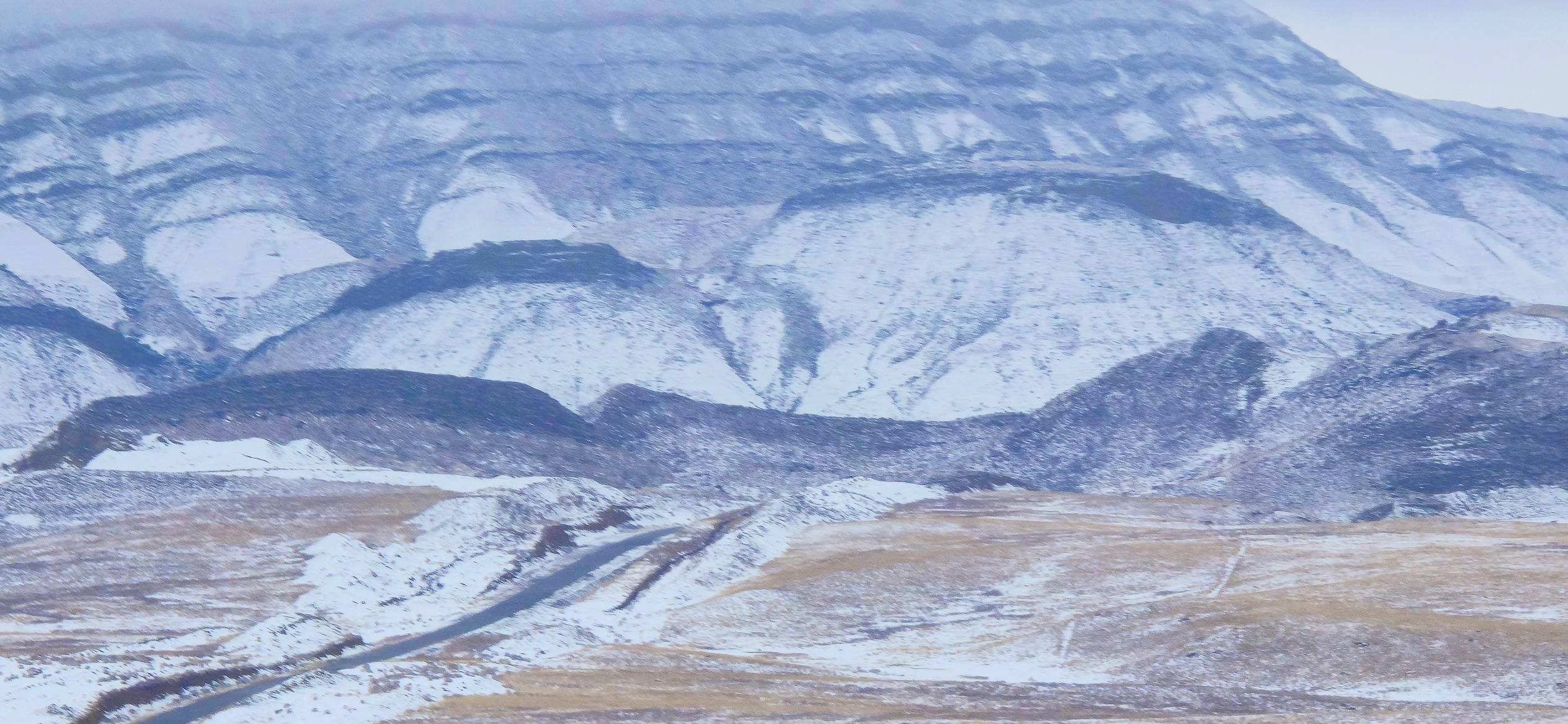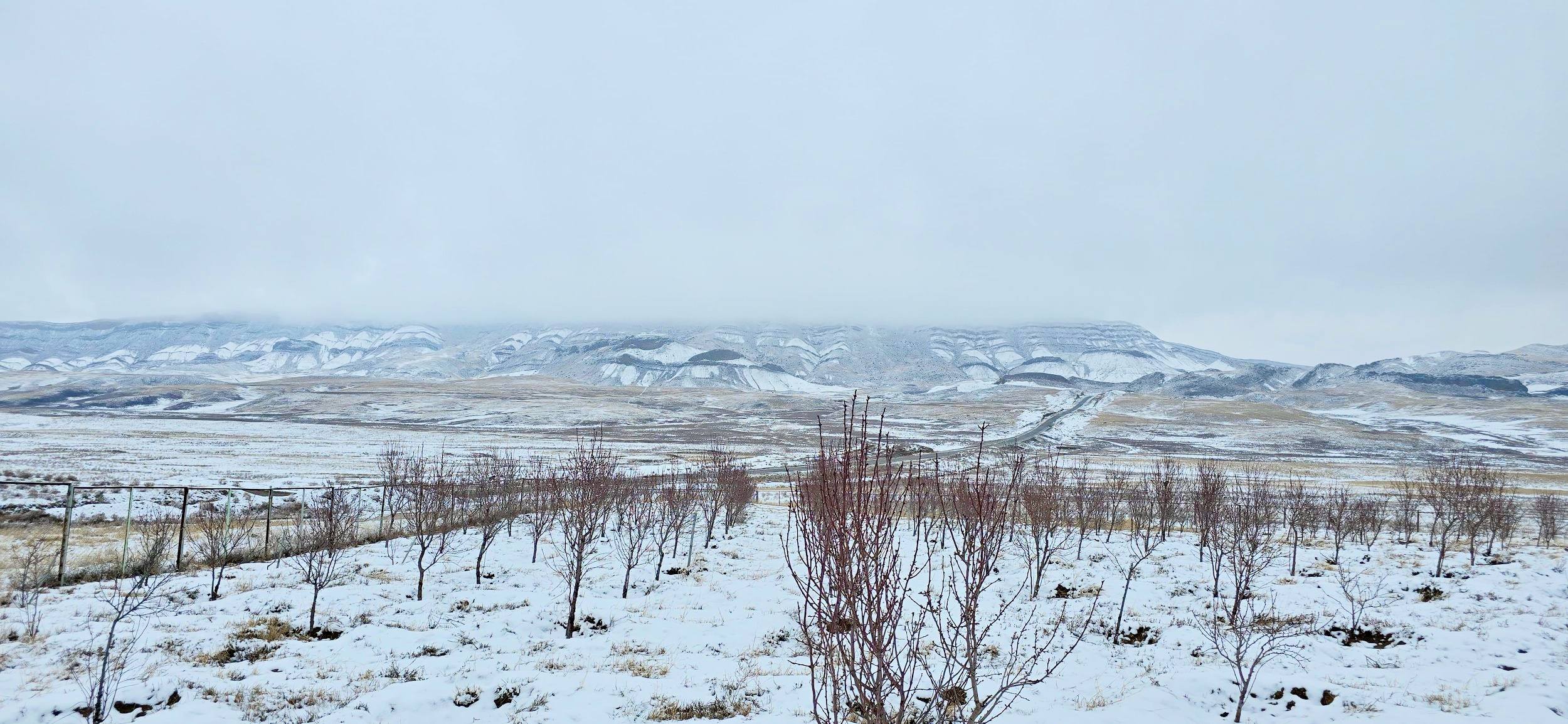
The Azerbaijani folk calendar, shaped over centuries, is closely intertwined with the rhythms of nature, where the seasons reflect not only climatic changes but also the worldview and lifestyle of the people. Kiçik Çillə (the “Small Chilla”) lasts twenty days and constitutes the second phase of winter. Despite its shorter duration, it is often characterized by harsher and snowier conditions, giving rise to the folk saying, “Small Chilla is harsher than Big Chilla.” These days, when snow blankets the earth in white and mountains and cliffs attain a silent majesty, showcase the unique beauty of nature.
Following Kiçik Çillə, Boz Ay (the “Grey Month”) begins, serving as a transitional period between winter and spring and marking the beginning of the journey toward Novruz.
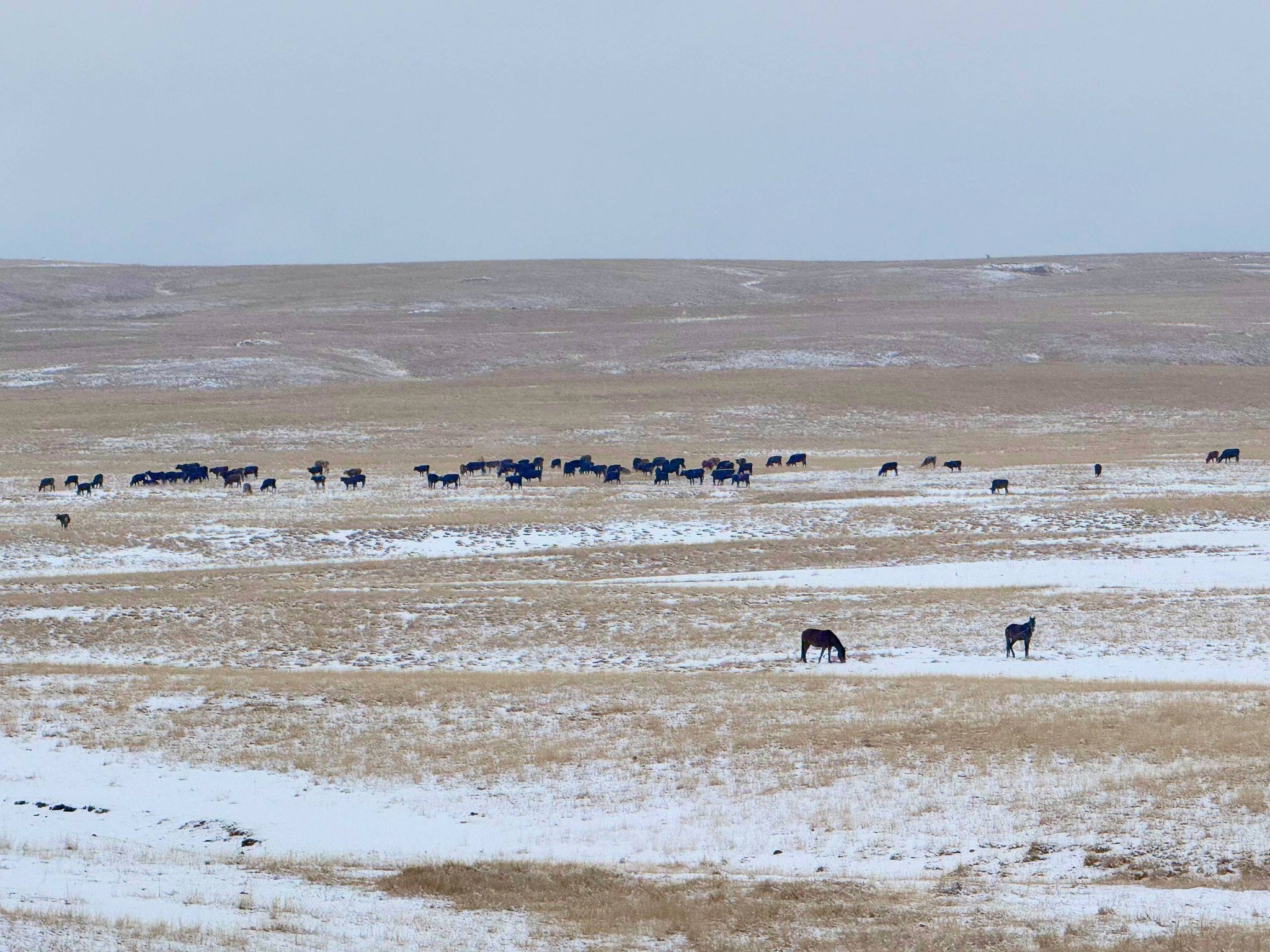
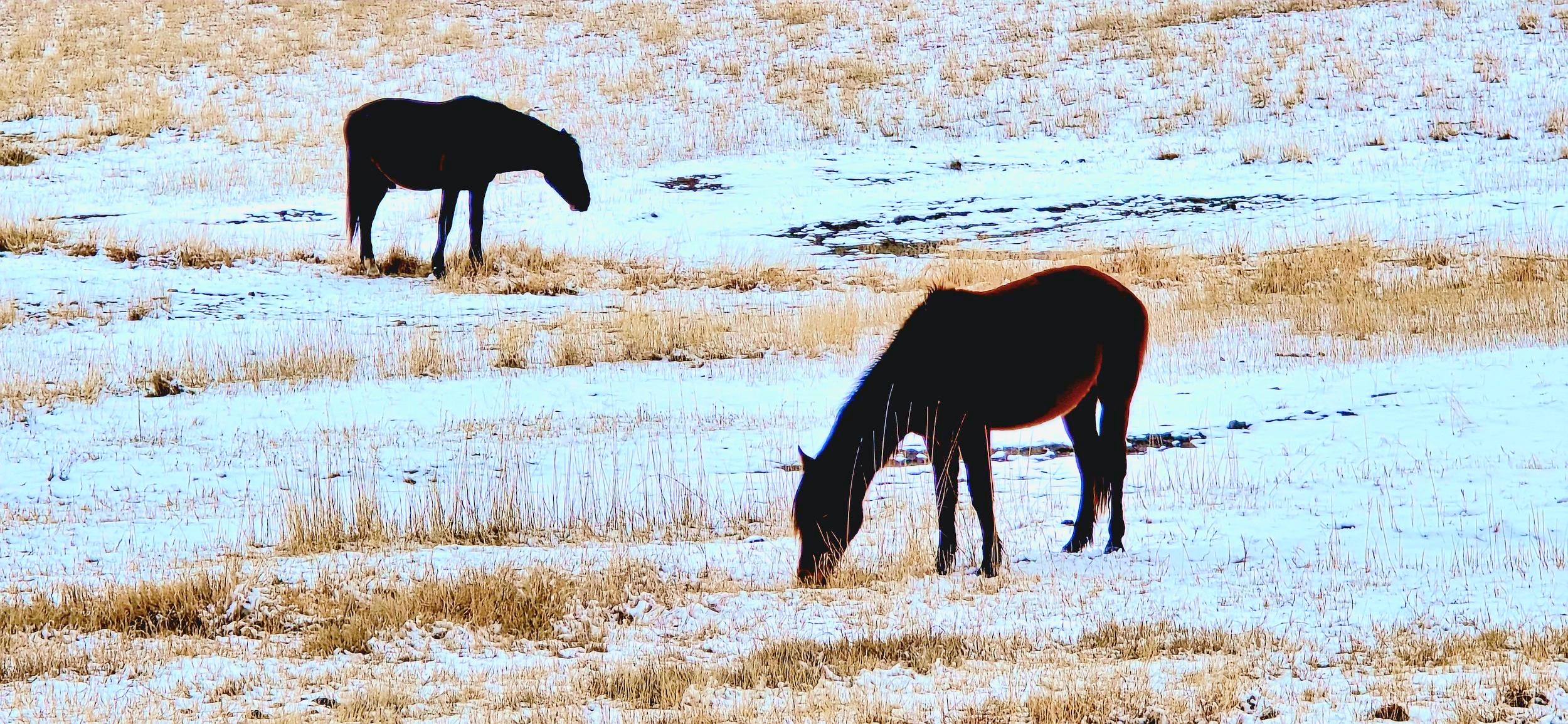
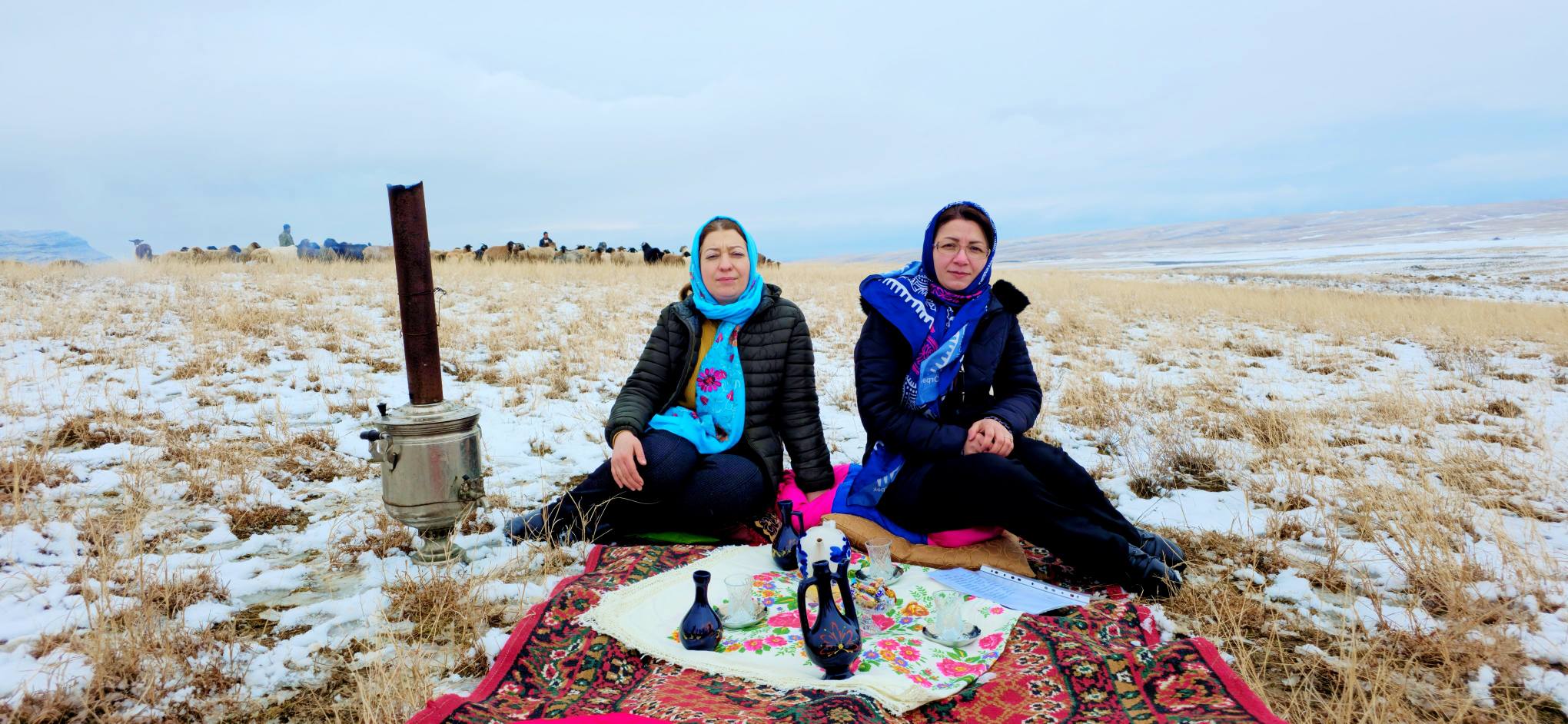
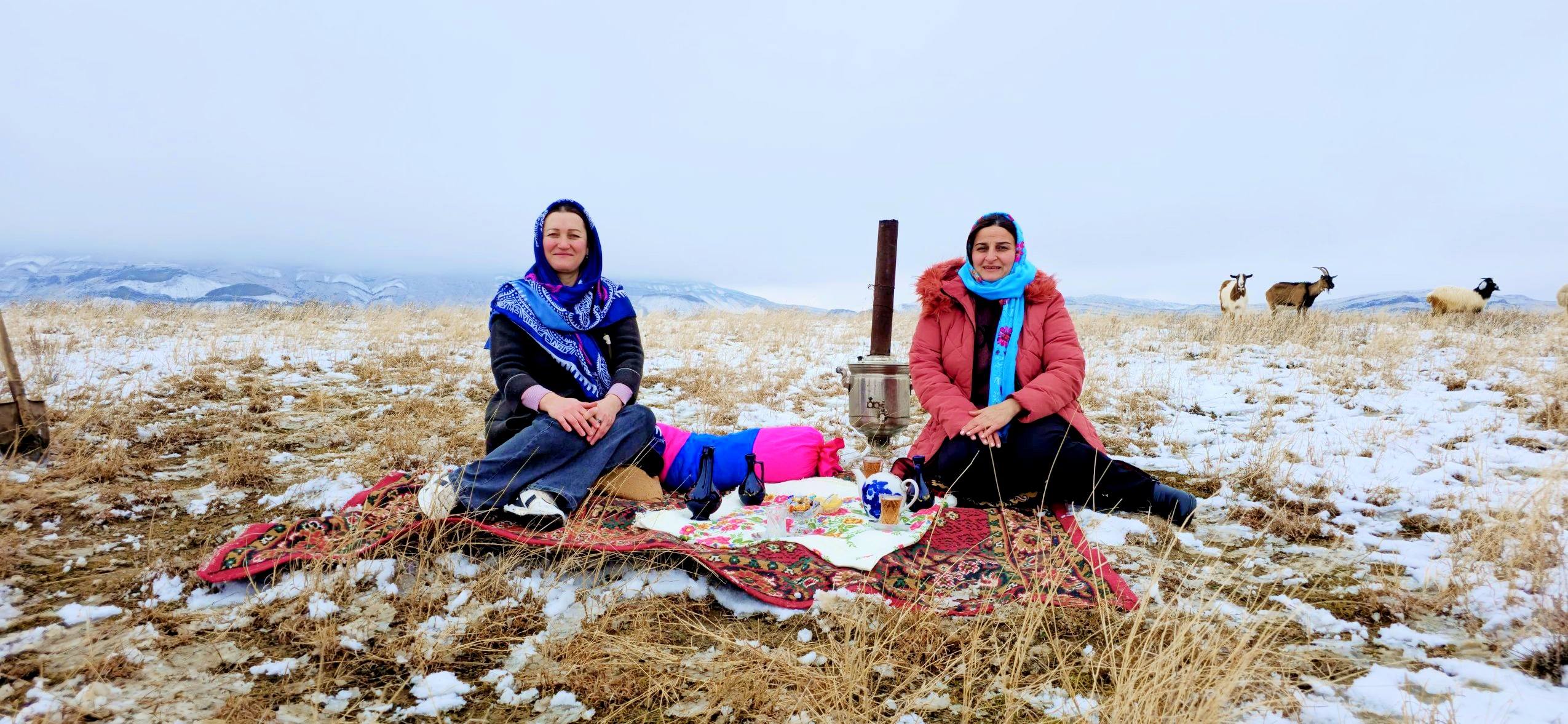
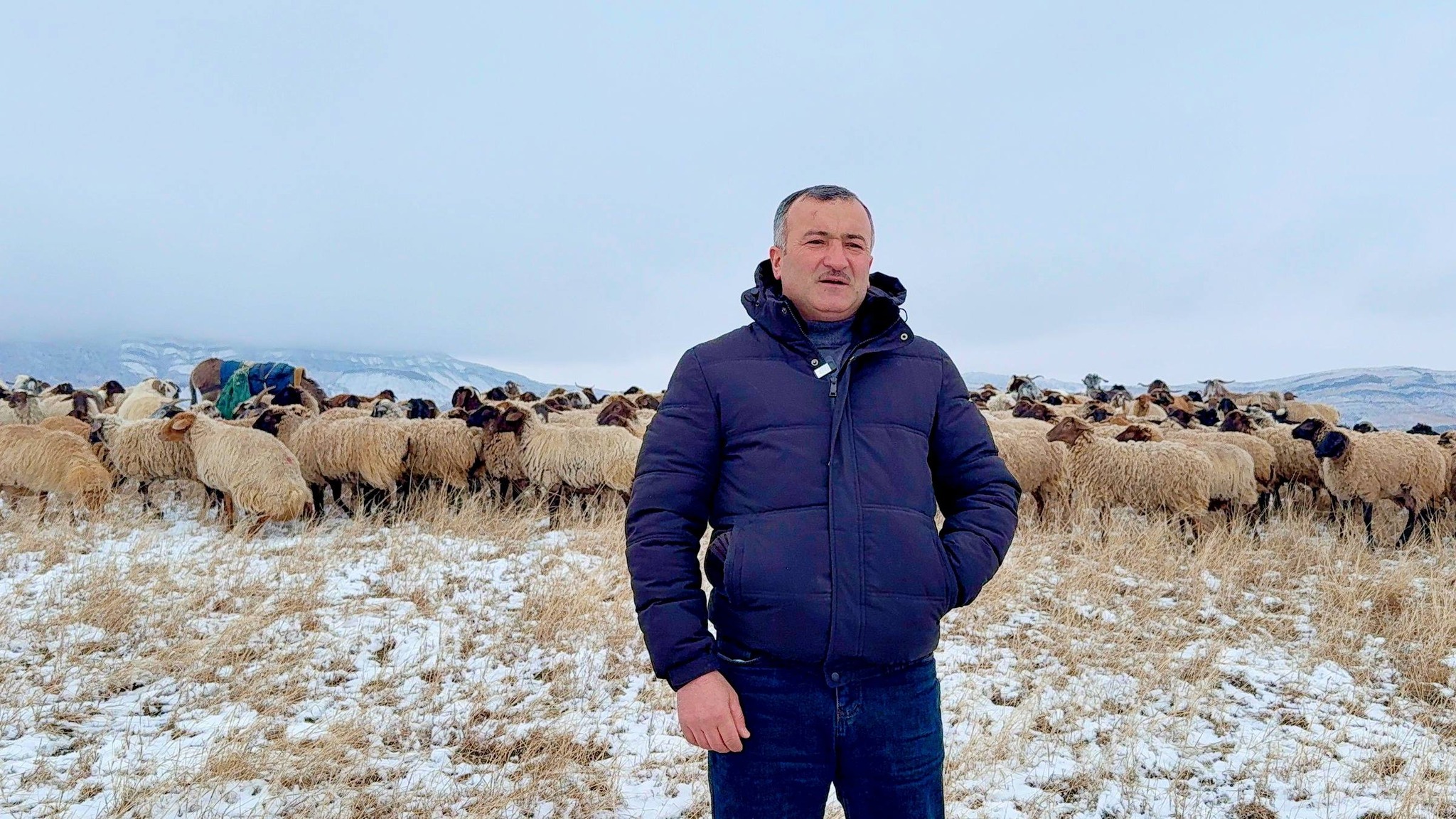
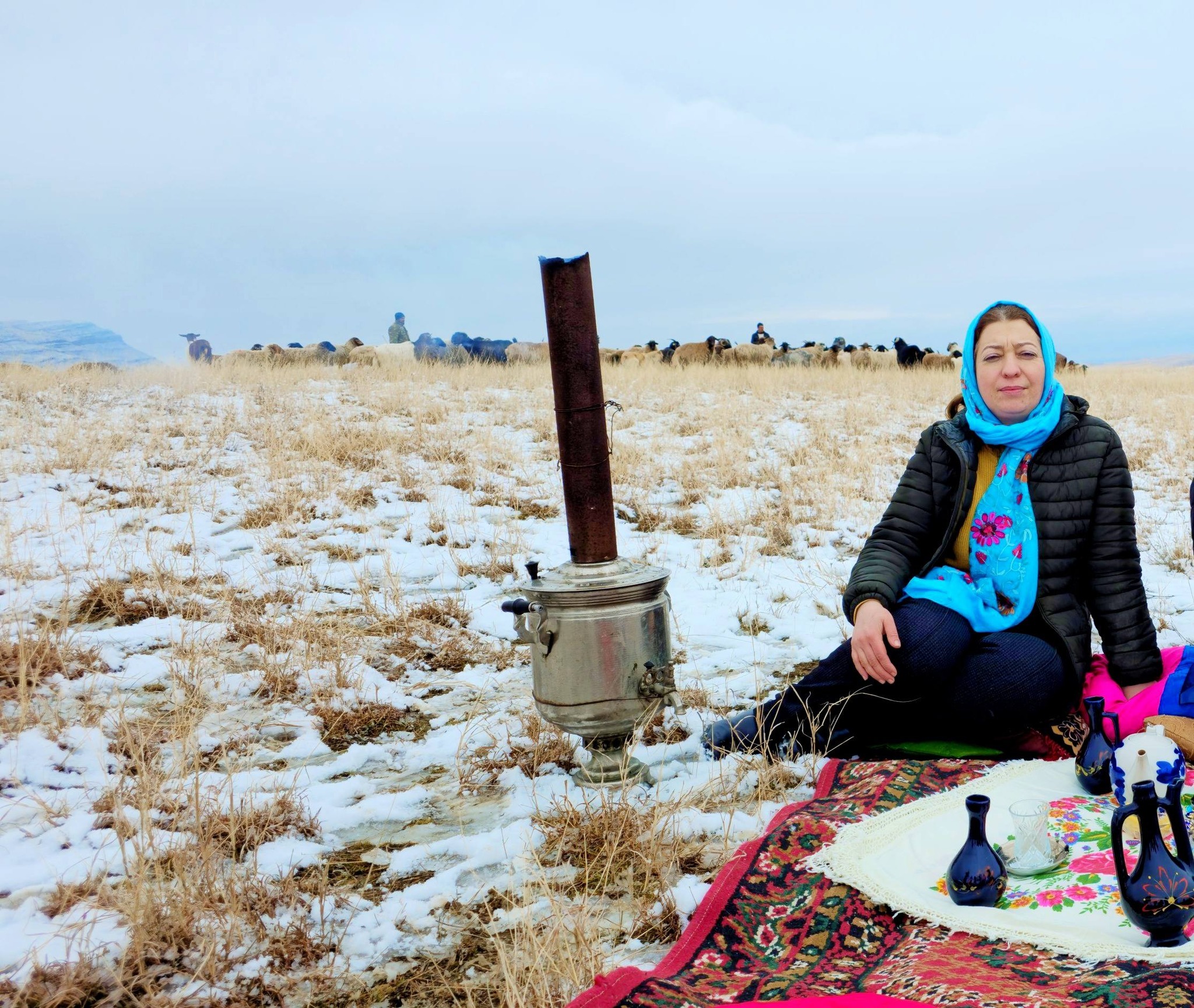
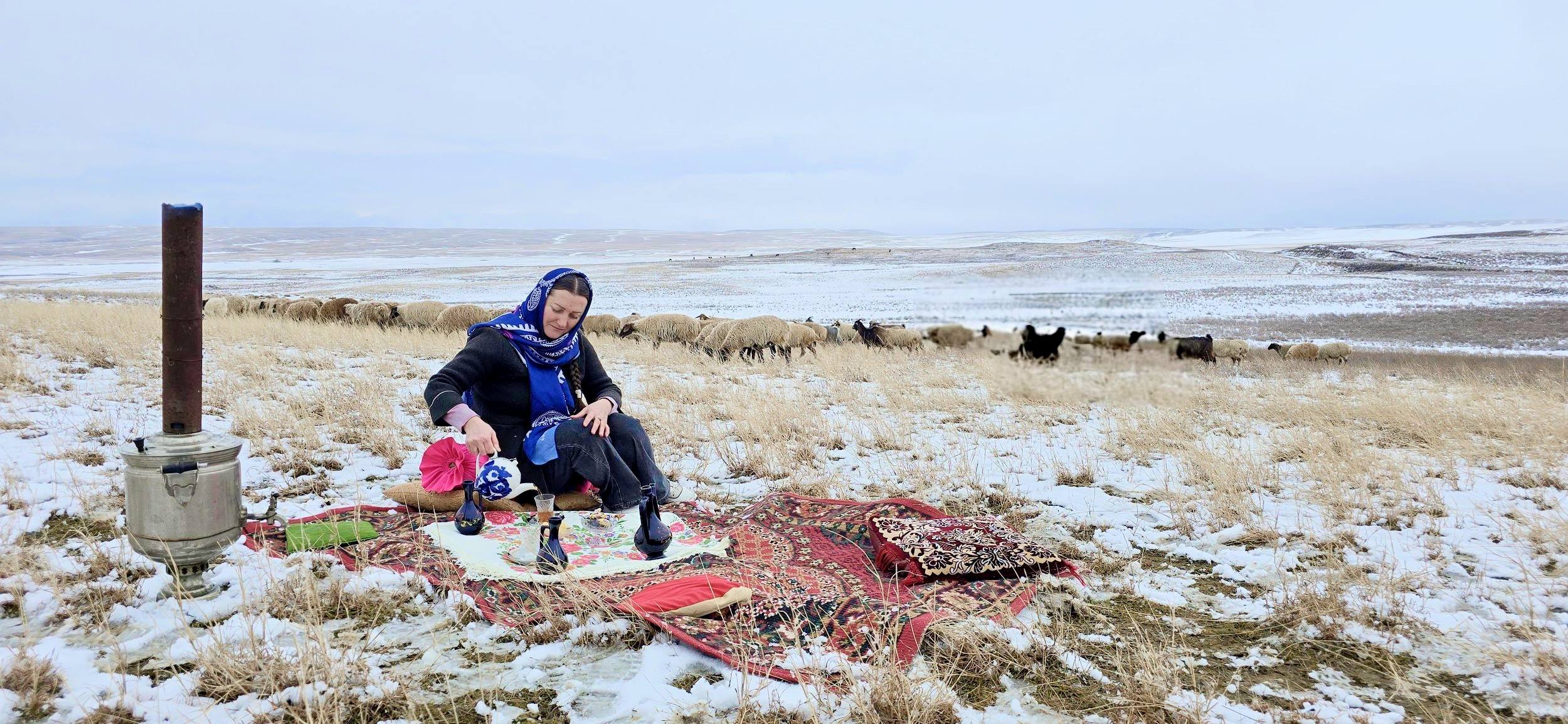
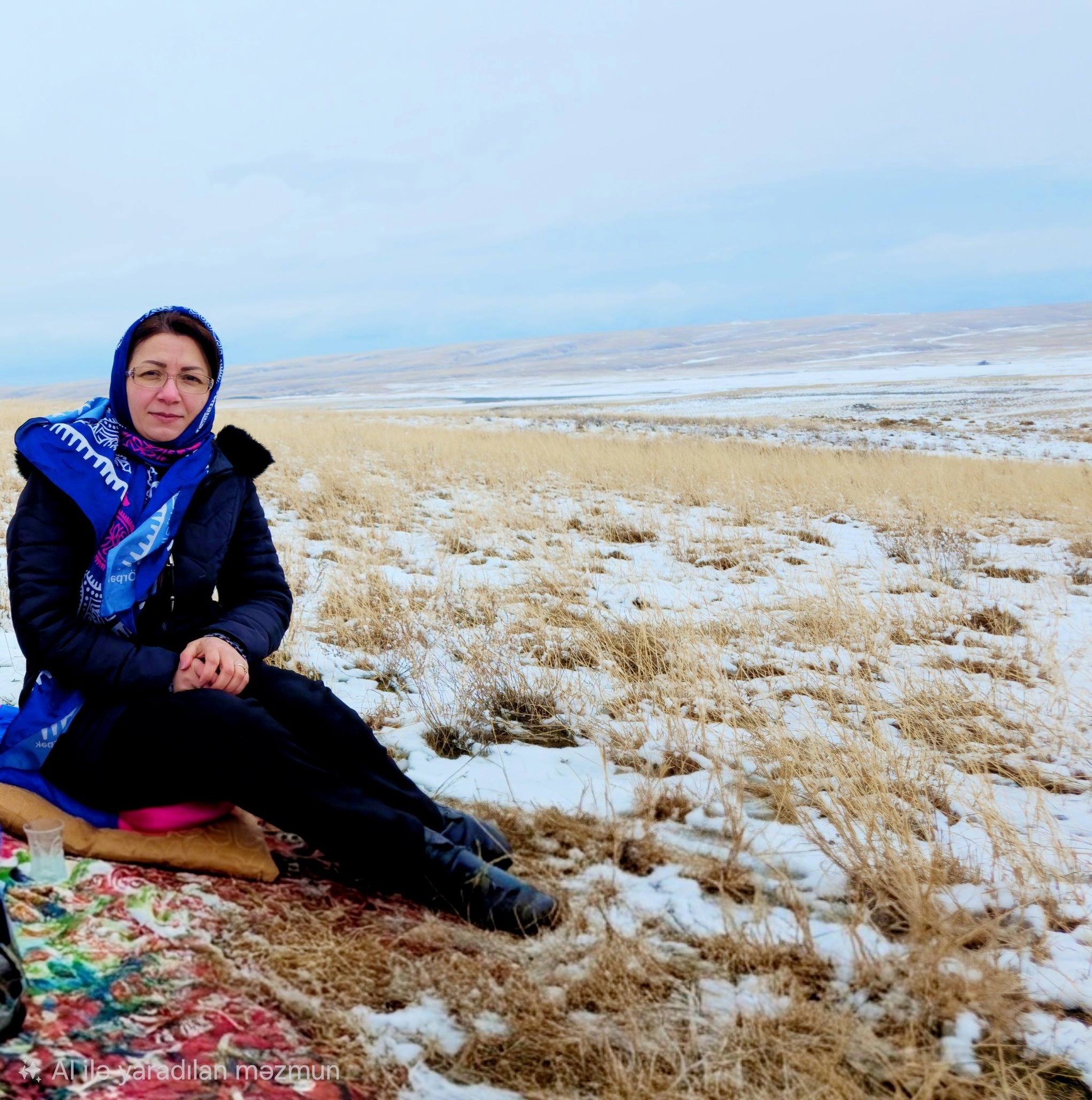
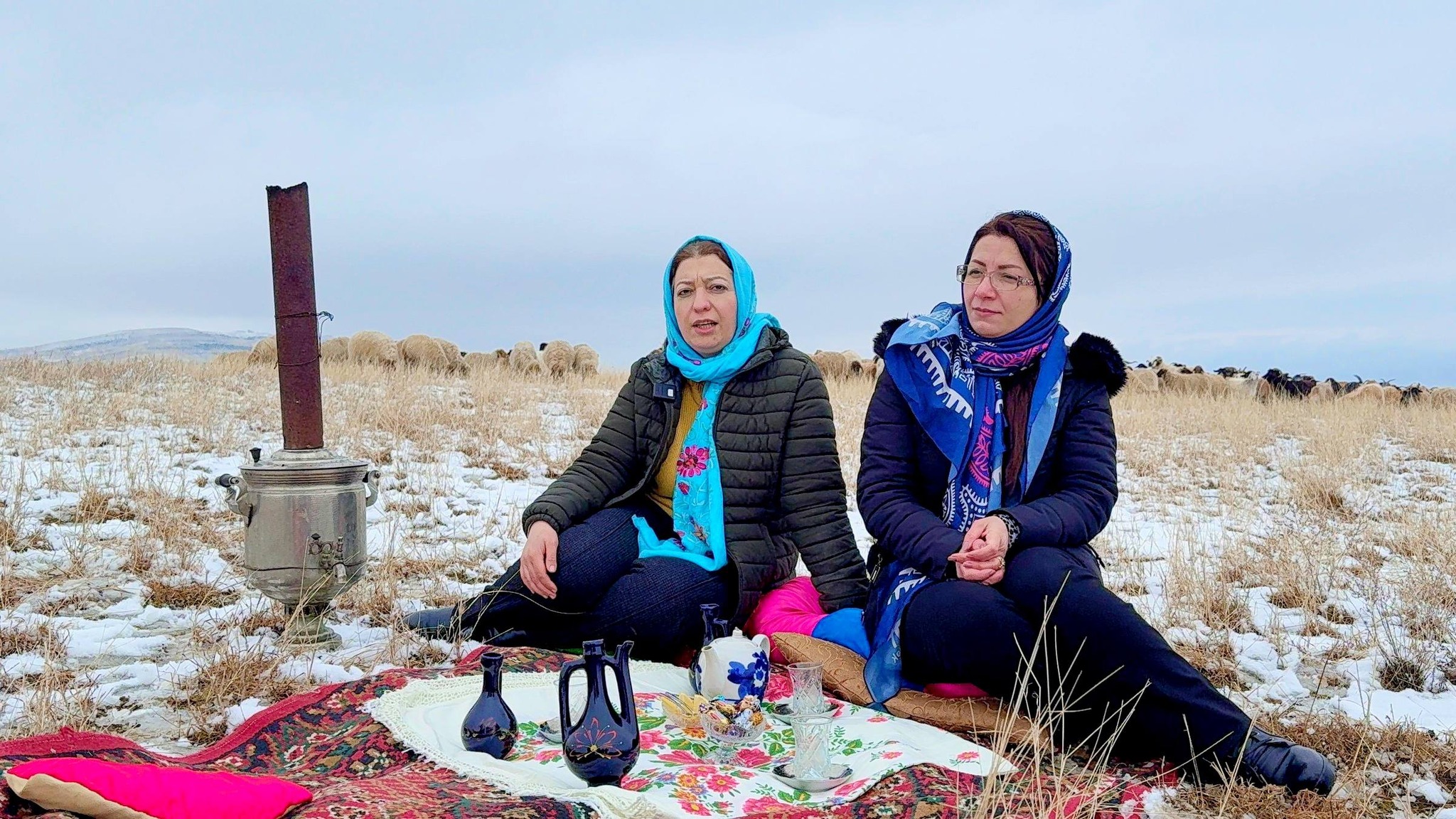
Filming in the snowy weather of Kiçik Çillə within the Jeyranchol territory—a location possessing rich historical and natural heritage such as Keshikchidagh—carries profound symbolic significance. The snow falling silently upon ancient kurgans, cave-temple complexes, and rugged cliffs evokes a frozen moment in time. In this white-shrouded steppe landscape, distant flocks of sheep, the slow tracks of a shepherd on the snow, and the neighing of horses piercing the cold air breathe life into the natural silence. The sounds of roaming herds, the whistling wind, and the horses recall ancient migration routes, steppe culture, and a millennial memory.
The footage captured against this snowy backdrop is not merely a seasonal depiction, but an embodiment of the living folk calendar, the nomadic lifestyle, and an enduring connection to national cultural heritage.
Thus, Böyük Çillə, Kiçik Çillə, and Boz Ay are vital stages reflecting the Azerbaijani people’s perception of time, their harmony with nature, and their traditional worldview. The filming of Kiçik Çillə in the snowy terrain of Jeyranchol serves as a modern presentation of this ancient calendar tradition, demonstrating the unity of nature, history, and the vibrant spirit of the steppe.