Strategic Importance of the “Year of Urban Planning and Architecture” and the Ecological Initiative at the “Keshikchidagh” State Historical and Cultural Reserve The Decree of the President of the Republic of Azerbaijan, Mr. Ilham Aliyev, dated December 22, 2025, declaring 2026 as the “Year of Urban Planning and Architecture” in our country, carries profound strategic significance for the preservation, study, and transmission of our national cultural heritage to future generations. This decision serves to emphasize the historical value of Azerbaijani urban planning and architectural traditions while promoting the principles of sustainable development in the modern era.
Urban planning and architectural culture in Azerbaijan have undergone a rich, multi-century evolutionary path, playing a pivotal role in the formation of national cultural identity. Historically, our major cities—situated along the Ancient Silk Road and maintaining close economic, political, and cultural ties with Eastern nations—were renowned as prominent centers of trade, craftsmanship, and culture. These interactions endowed the spatial planning, architectural styles, and overall urban environments of these cities with unique characteristics. Architectural monuments reflecting various historical epochs hold exceptional importance in the formation and evolution of these urban planning traditions.
One of the prominent examples of such rich and multi-period heritage is the “Keshikchidagh” State Historical and Cultural Reserve, located in the Aghstafa district. The ancient settlements, primary planning elements, and architectural traces preserved within the reserve are considered invaluable sources for studying the regional history of urban development.
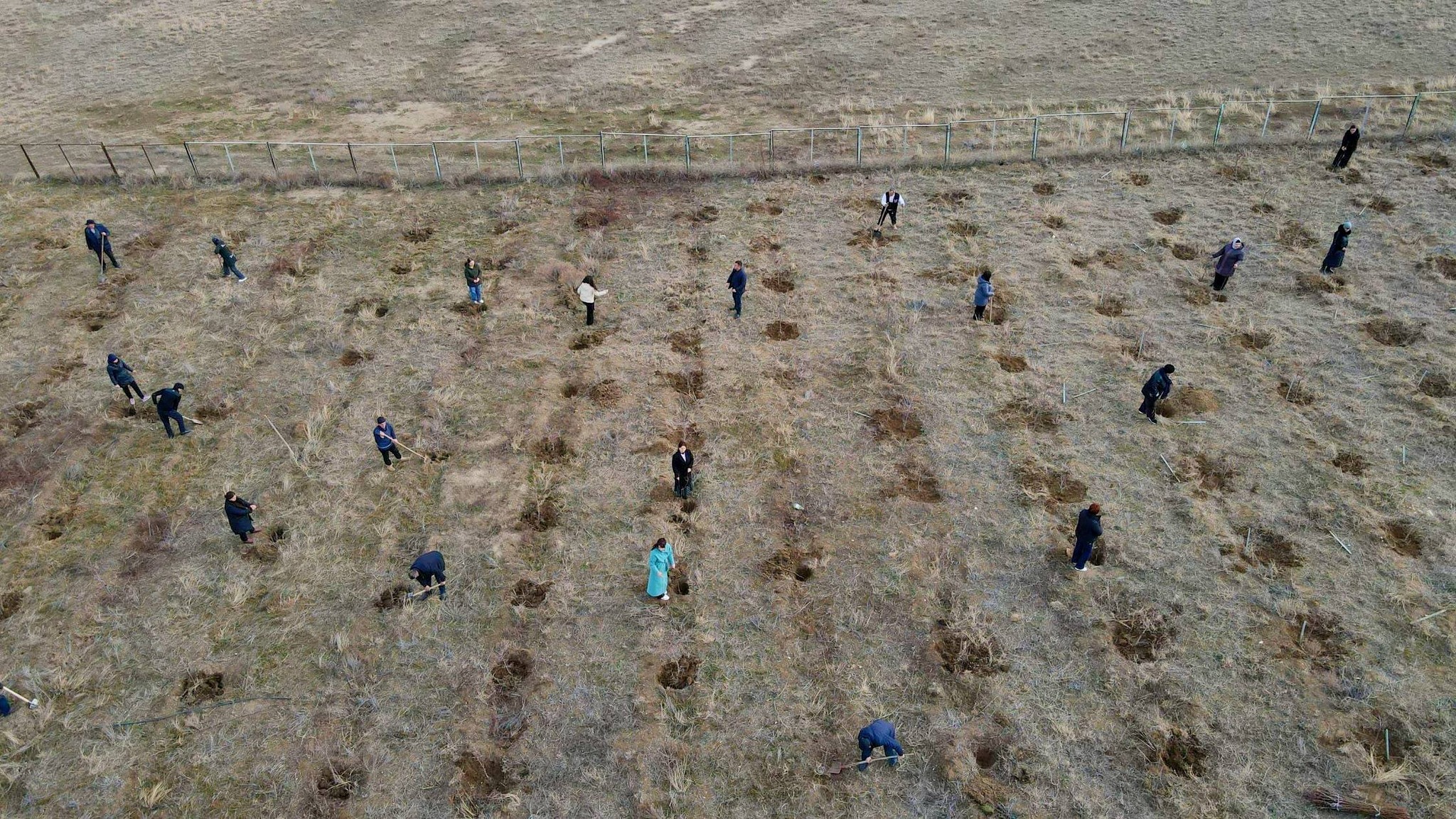
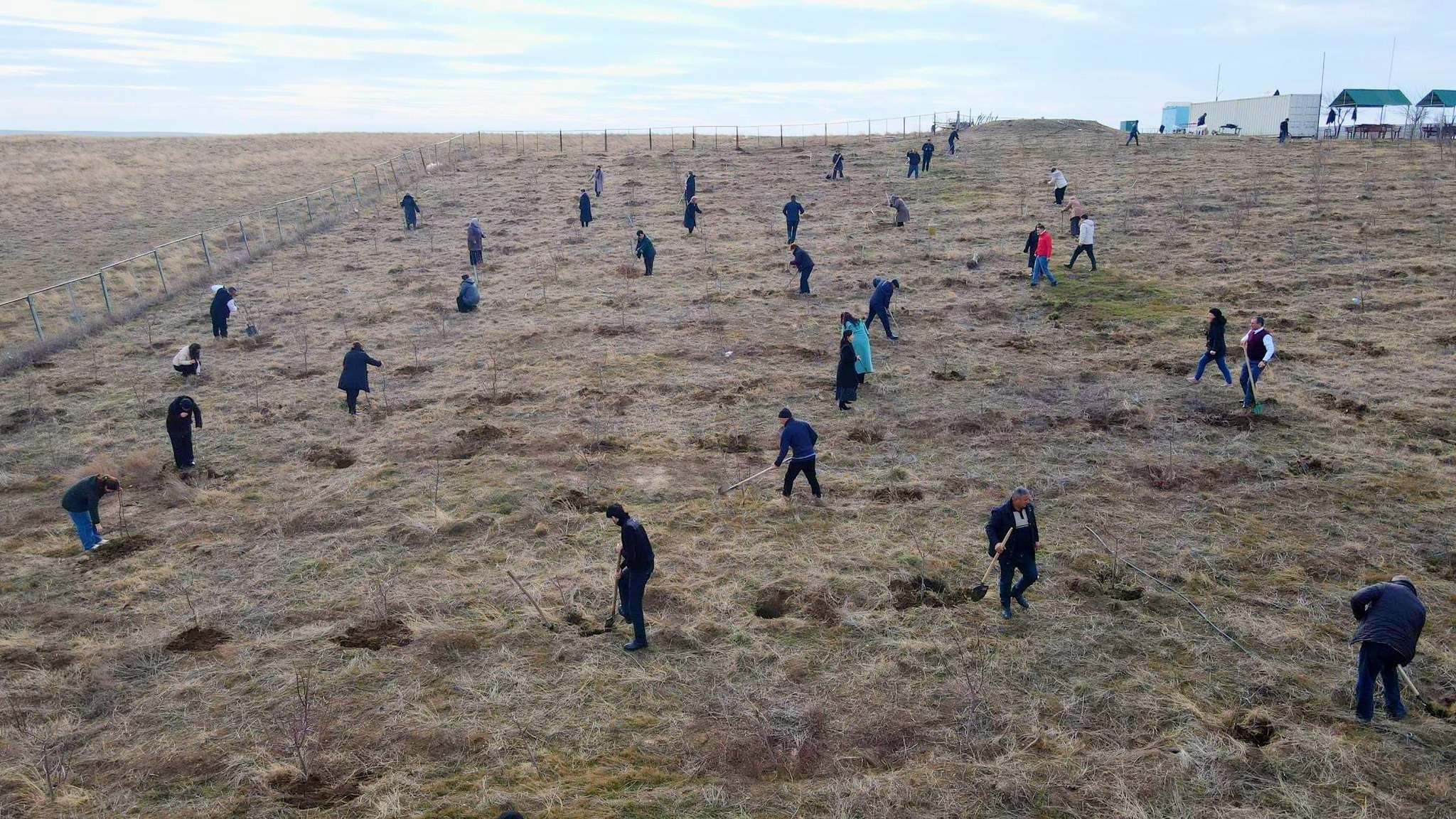
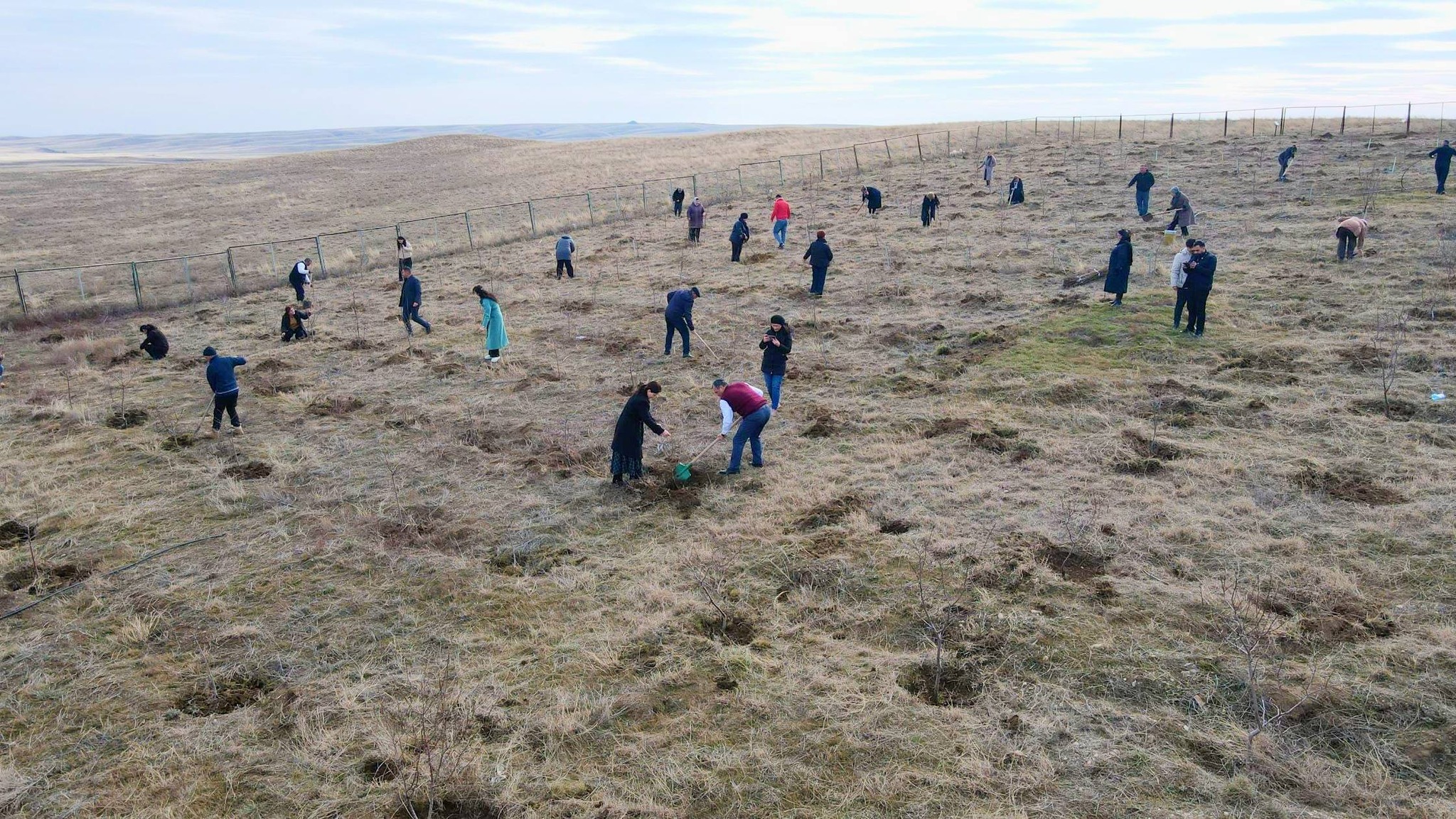
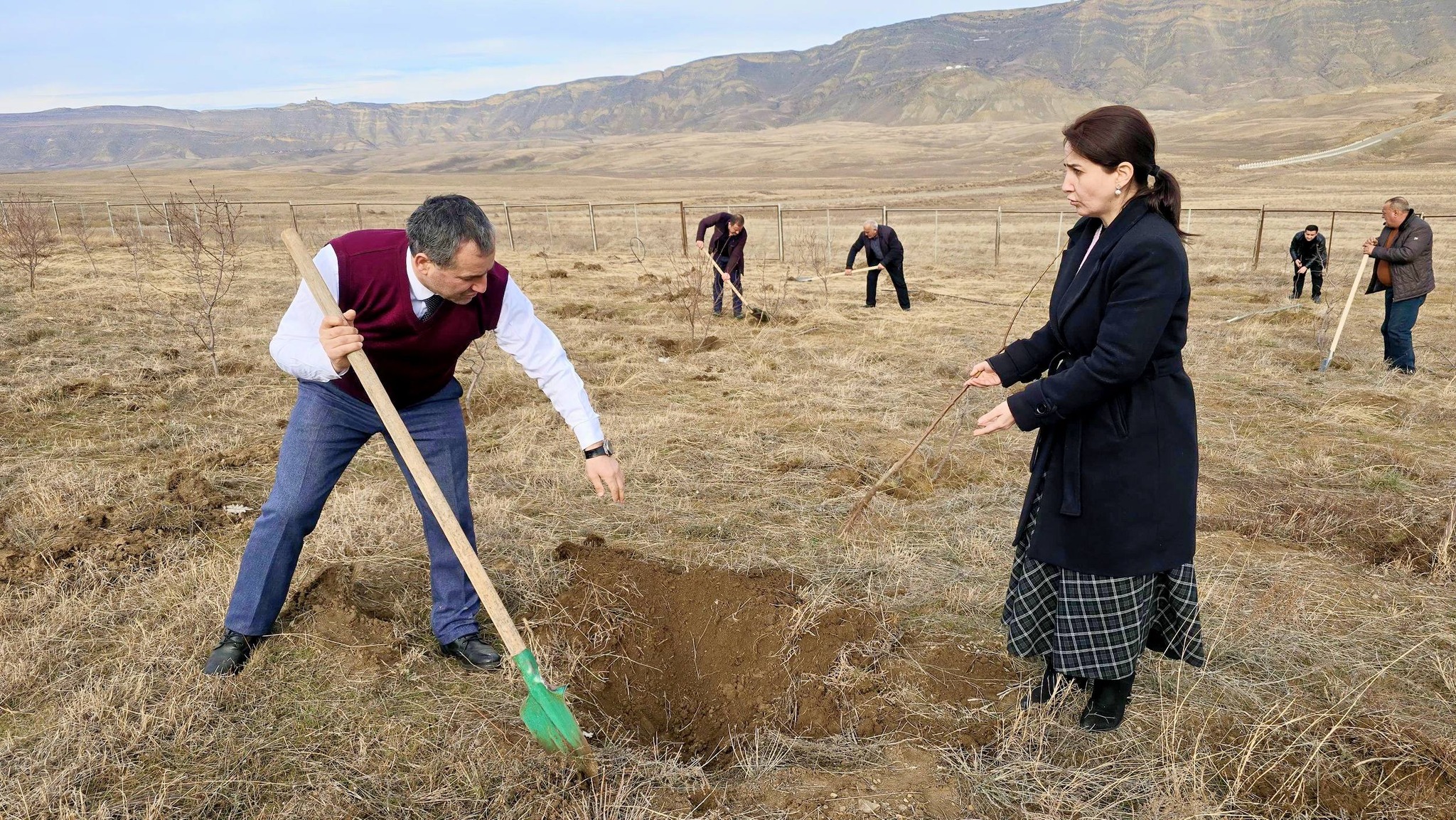
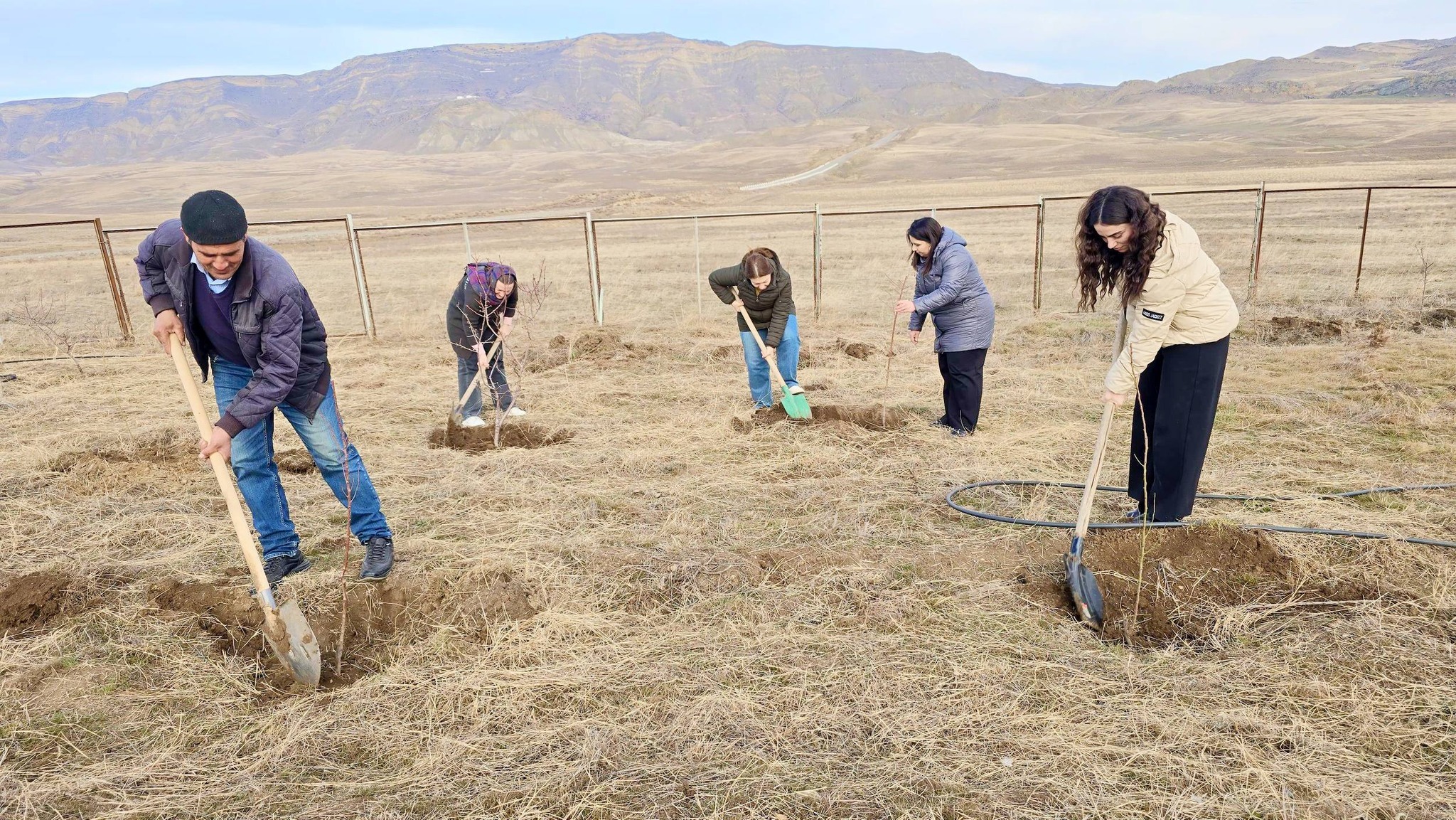
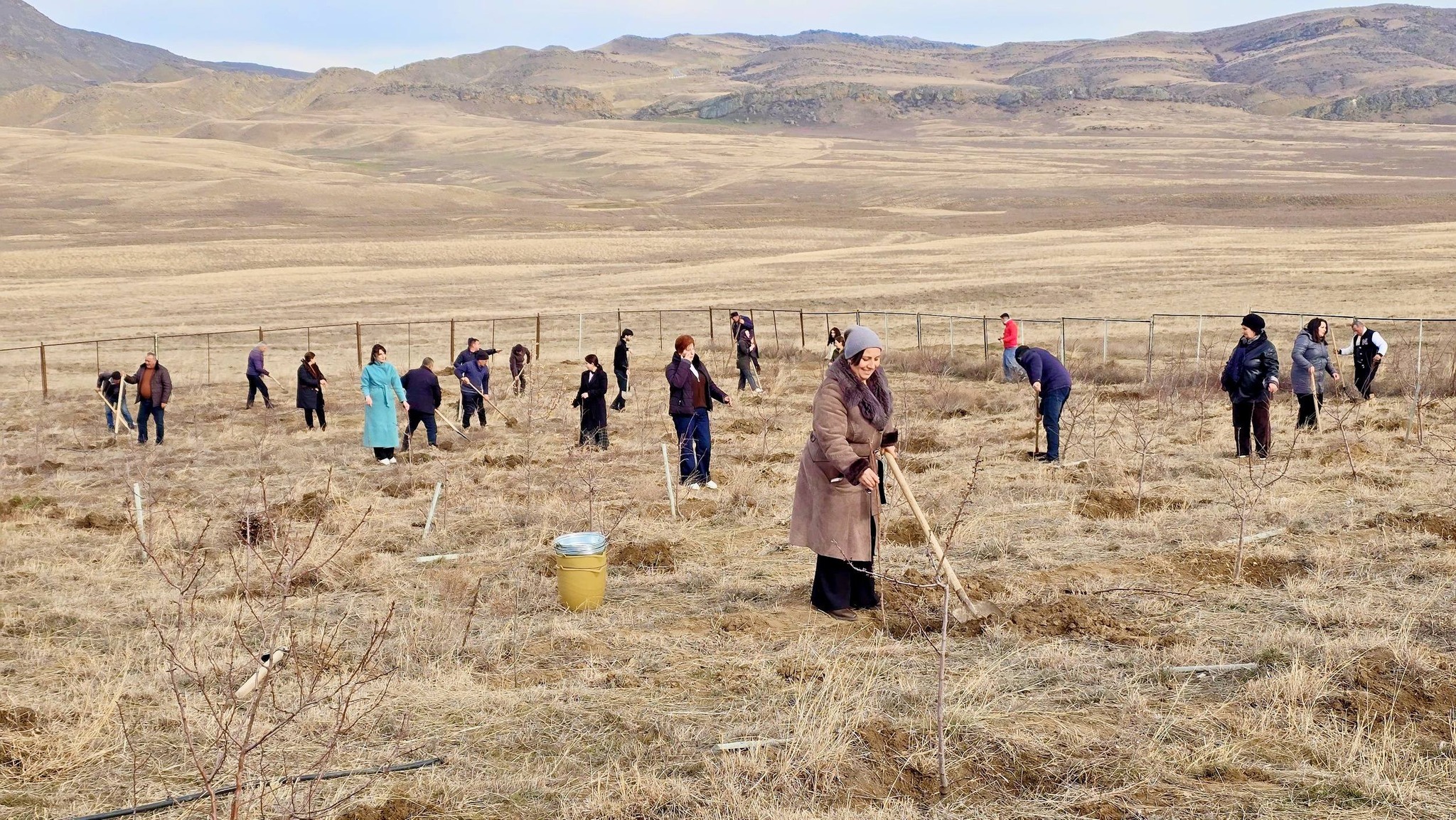
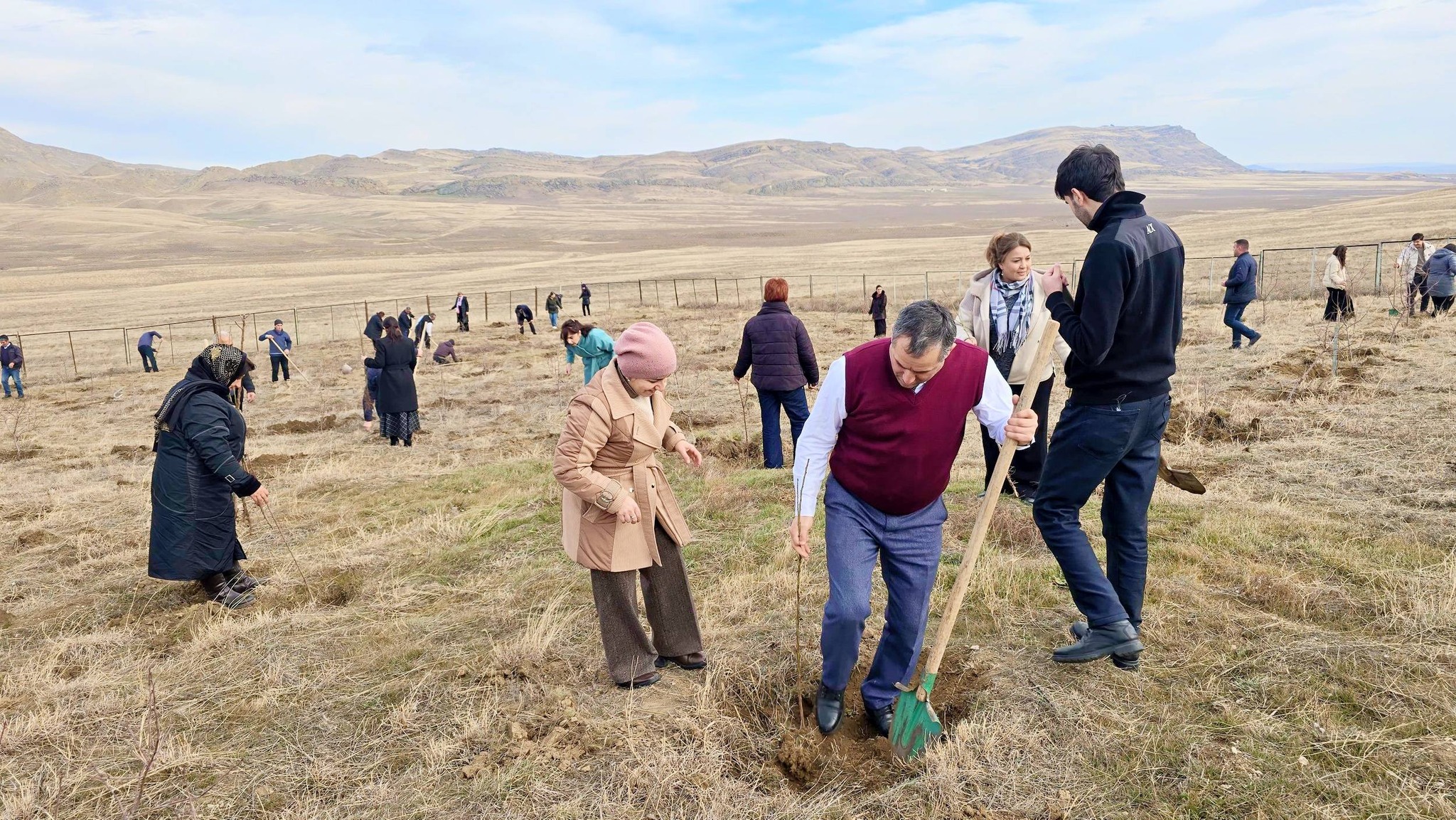
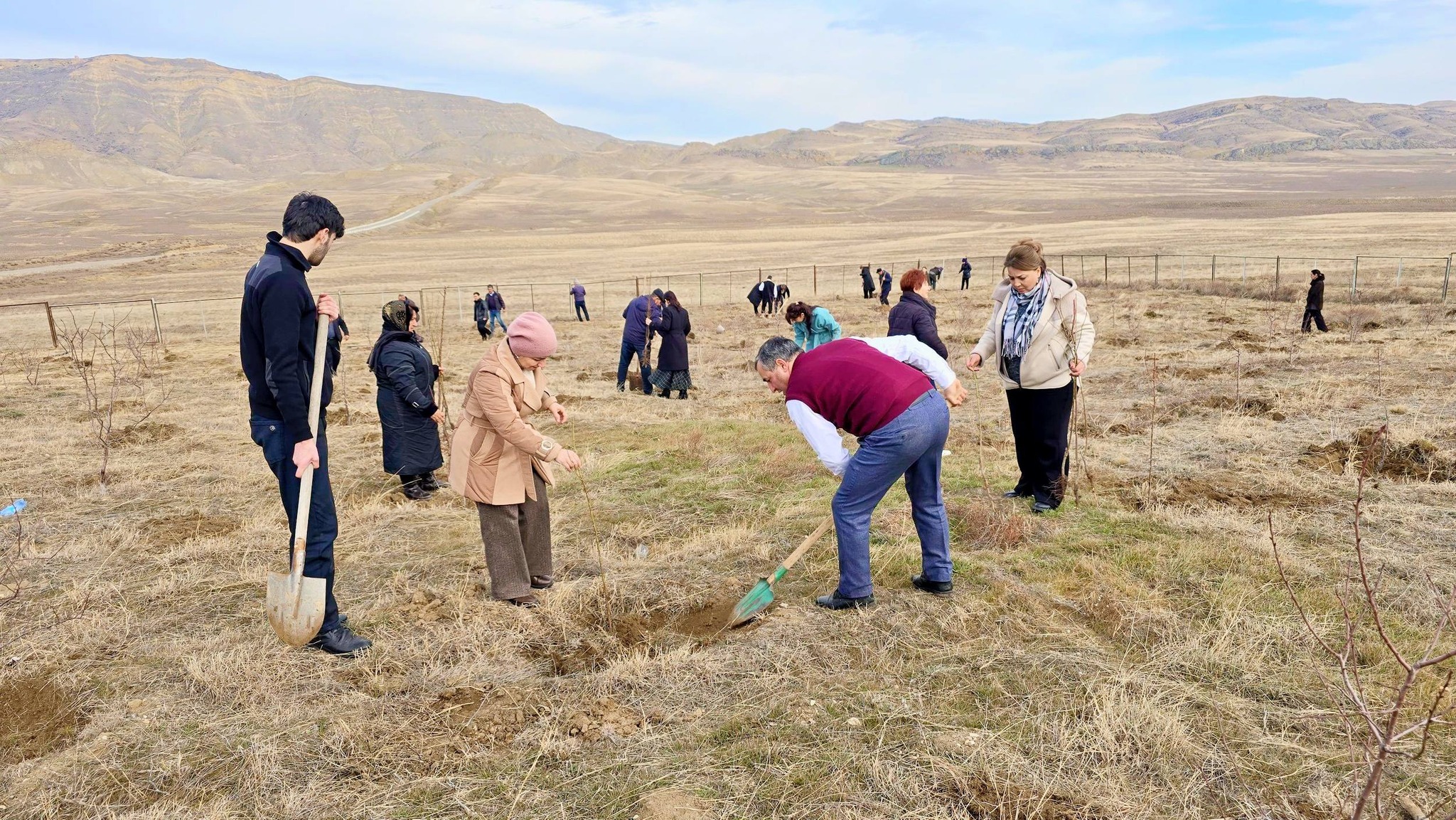
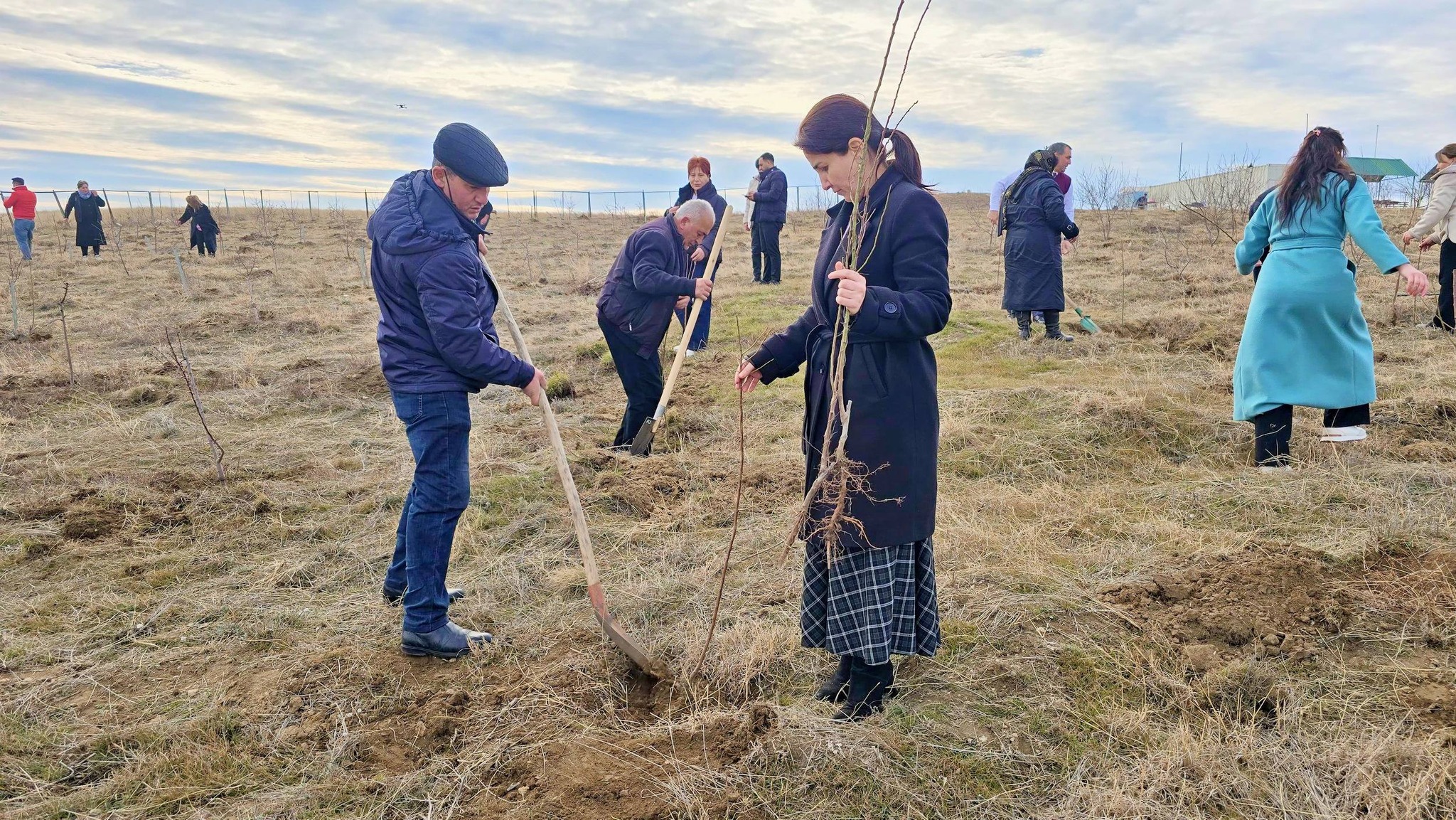
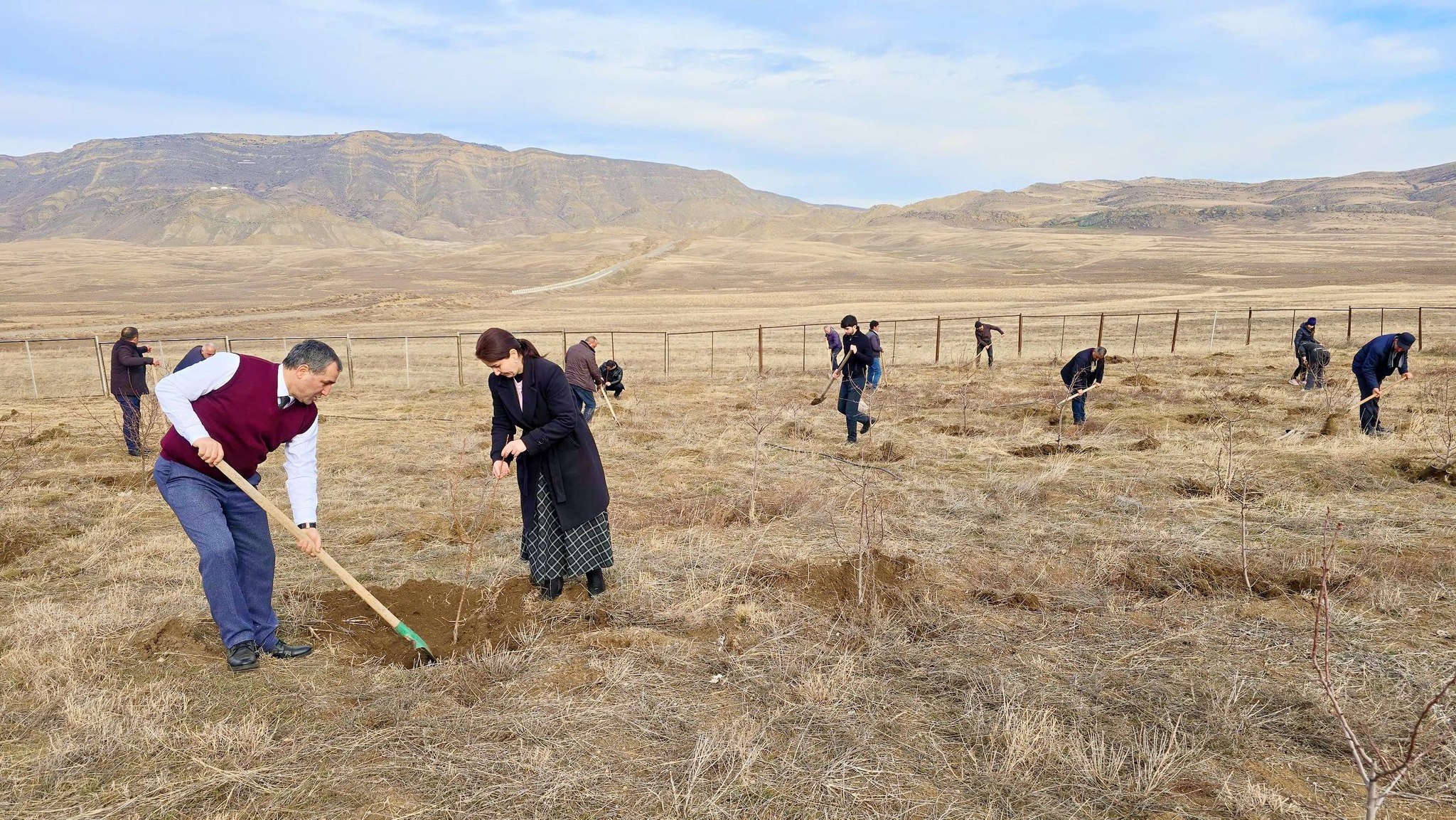
Within the framework of the “Year of Urban Planning and Architecture,” a joint initiative by the “Keshikchidagh” and “Avey” State Historical and Cultural Reserves resulted in a tree-planting campaign at the information center located in Jeyranchol. This action aims to restore ecological balance in areas housing ancient settlements, preserve the historical harmony between the natural landscape and architectural heritage, and sustain cultural heritage based on the principles of sustainable development.
During the event, more than 300 almond saplings were planted by the reserve staff. This tree-planting campaign is not merely an ecological initiative; it is regarded as a tangible manifestation of a responsible approach toward cultural heritage preservation and the integration of nature and architecture. Such events contribute significantly to harmonizing history with modernity, protecting cultural heritage alongside the ecological environment, and raising public awareness in this field.