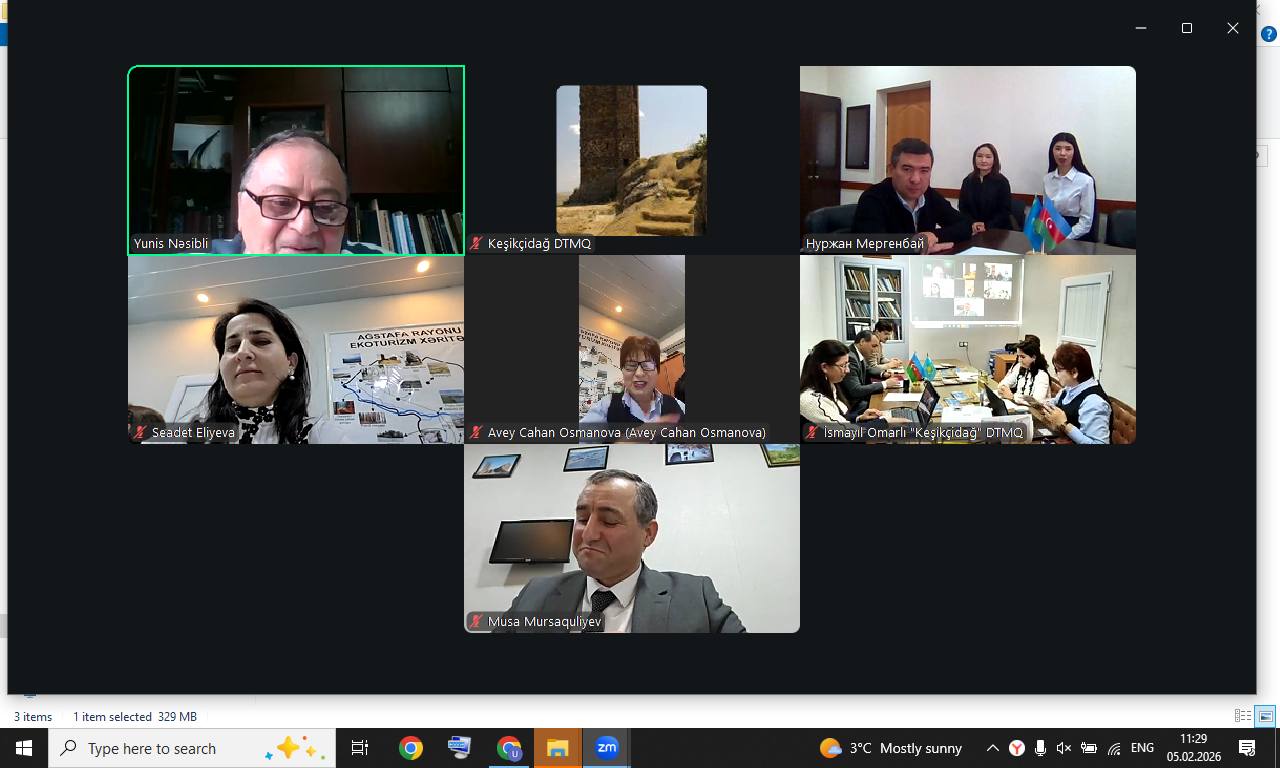
The “Keshikchidagh” State Historical and Cultural Reserve Forges Strategic Partnership with Kazakhstan’s “Ejeli Taraz” Reserve
The “Keshikchidagh” State Historical and Cultural Reserve, located in the Aghstafa district and operating under the State Service for Conservation, Development, and Restoration of Cultural Heritage under the Ministry of Culture, continues its systematic activities aimed at expanding international cooperation, researching the shared cultural heritage of the Turkic world on scientific grounds, and promoting it within the international academic community. In alignment with the reserve’s scientific research strategy, significant initiatives in international partnership and institutional cooperation have recently been realized.
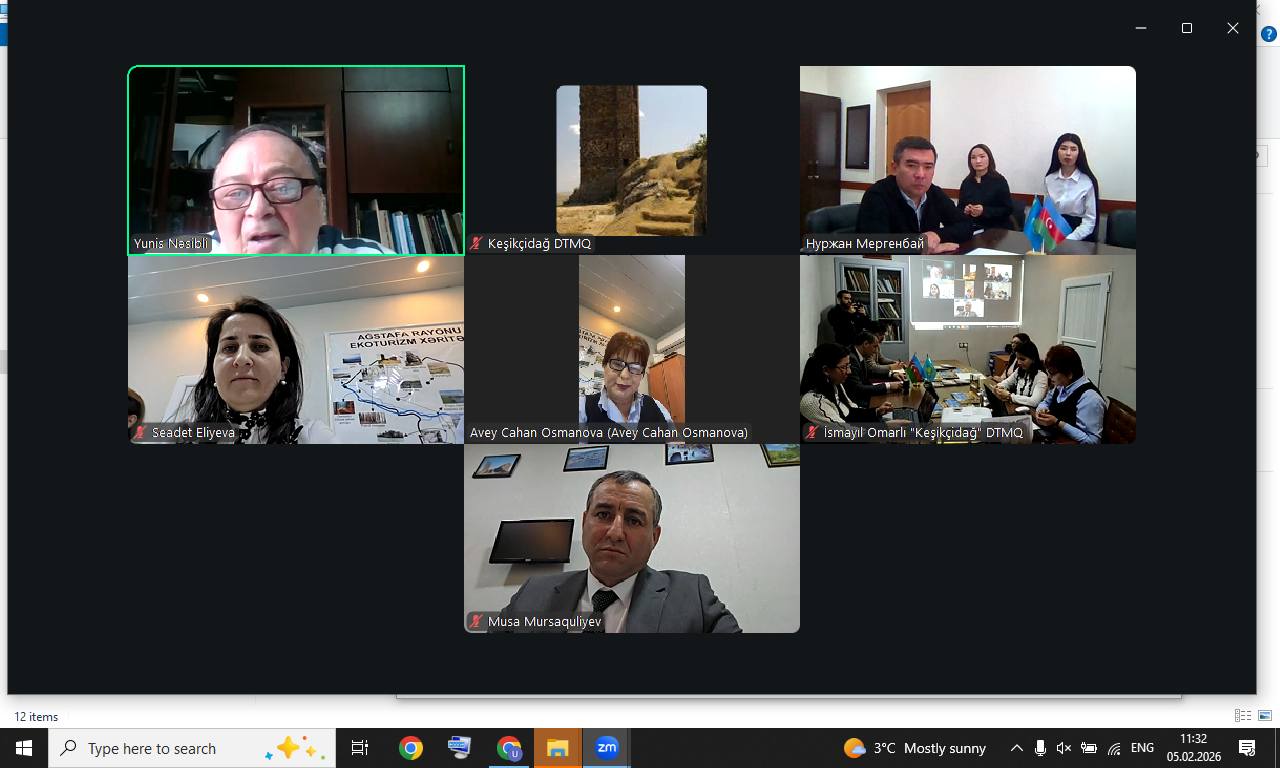
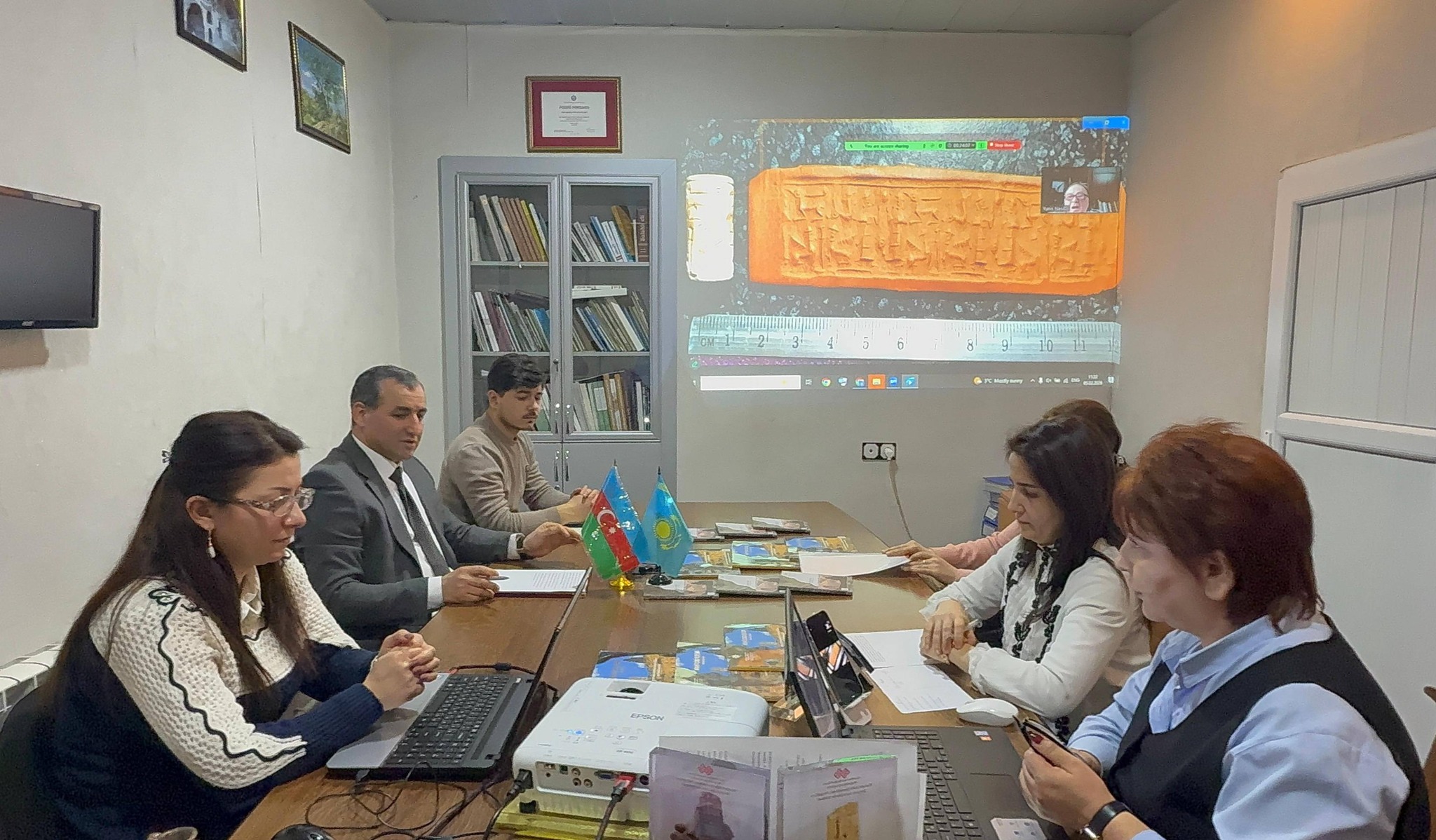
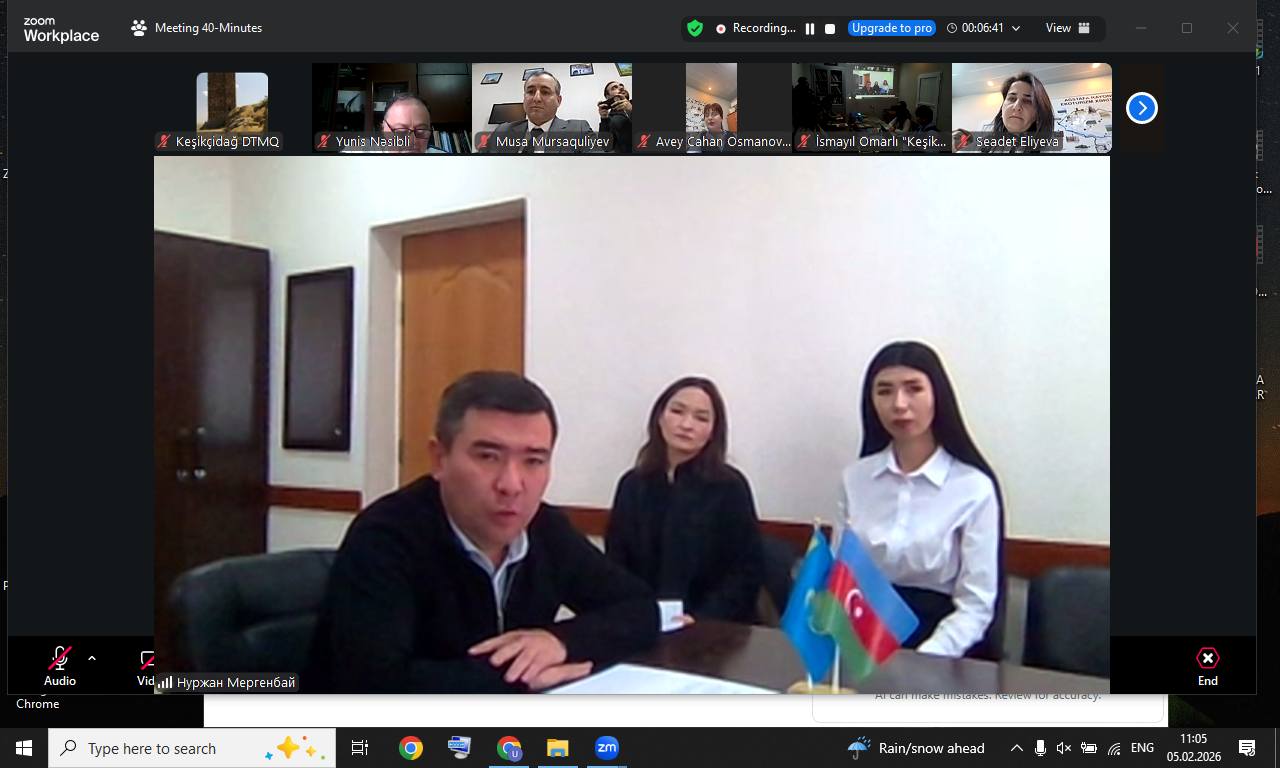
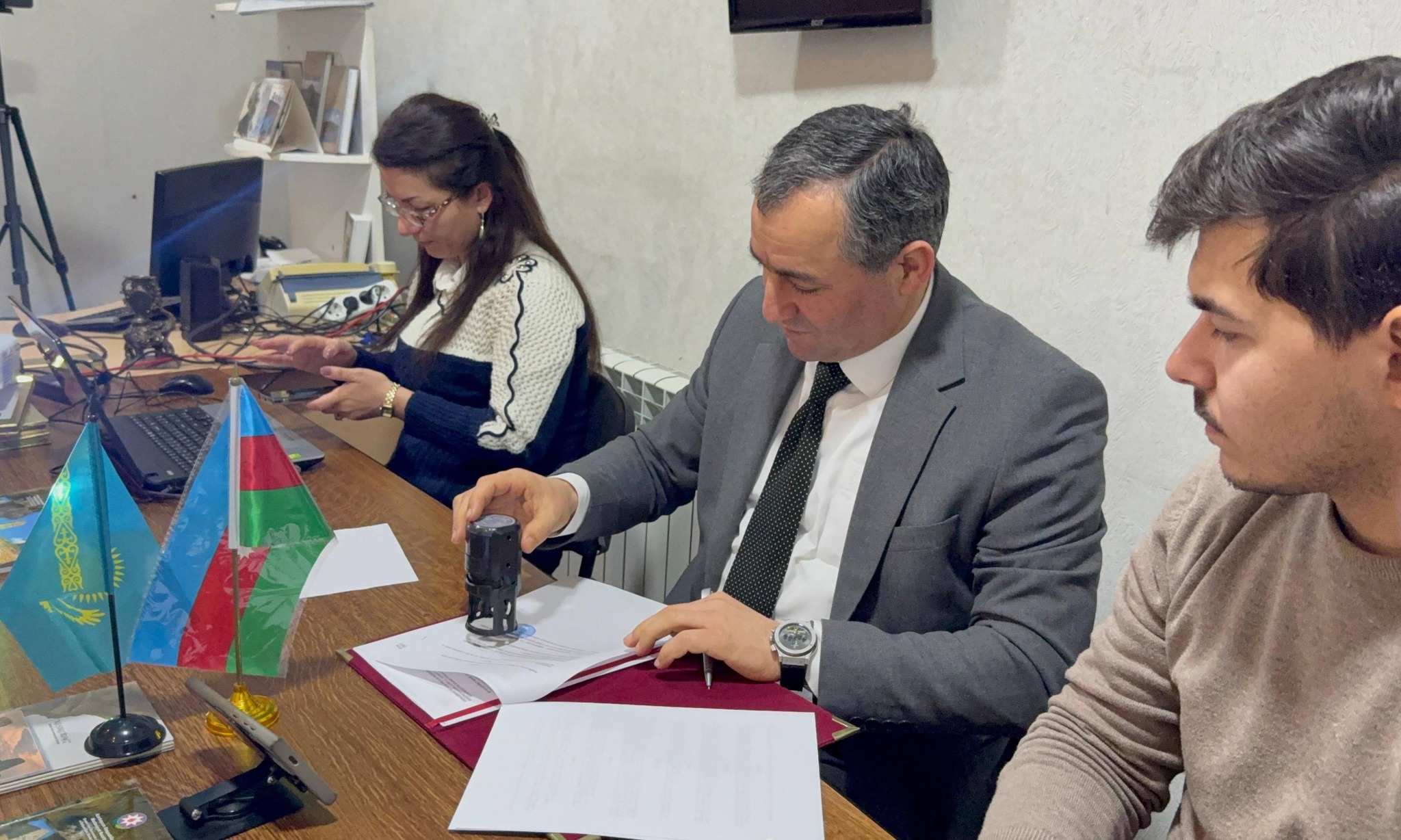
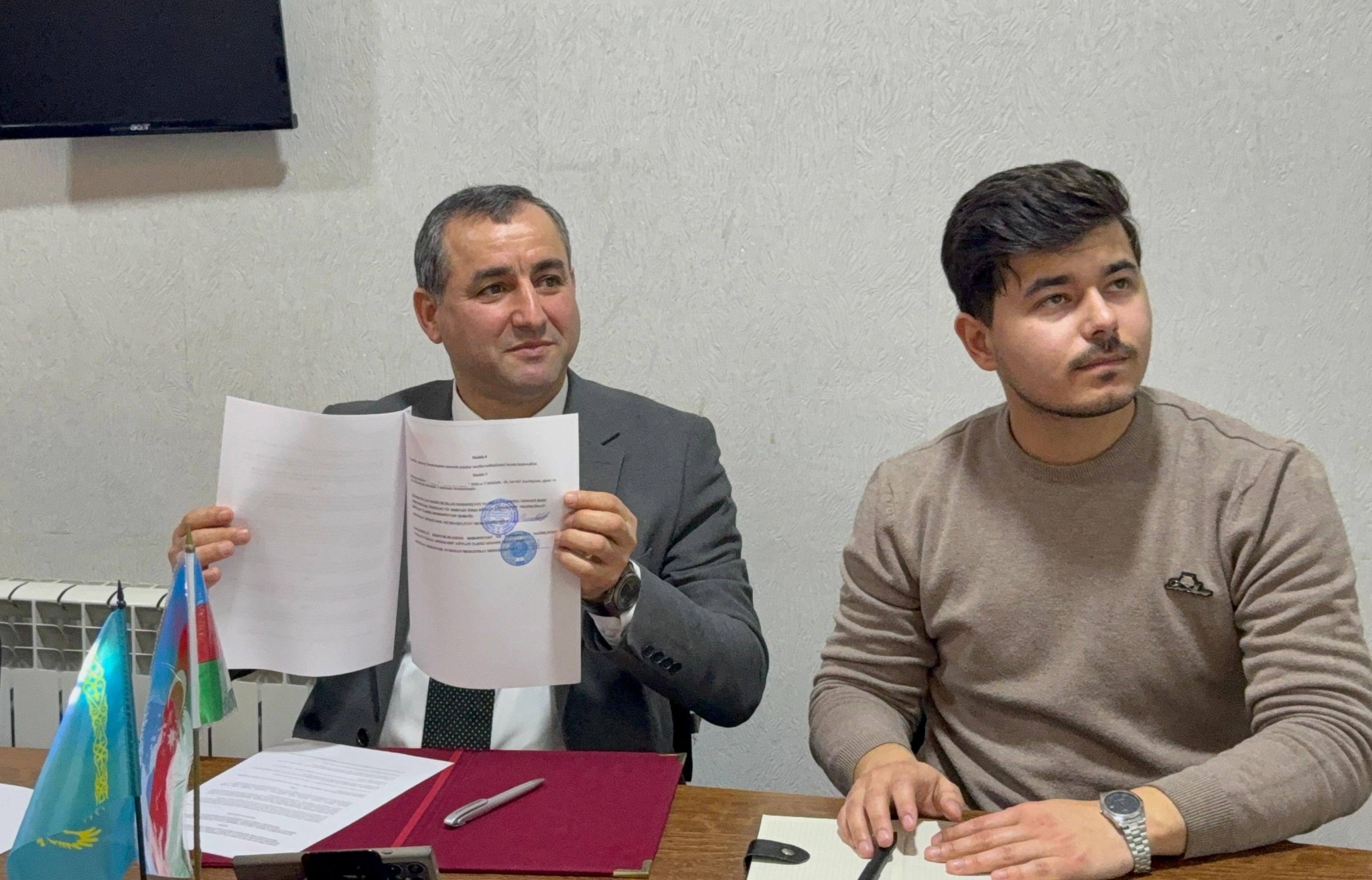
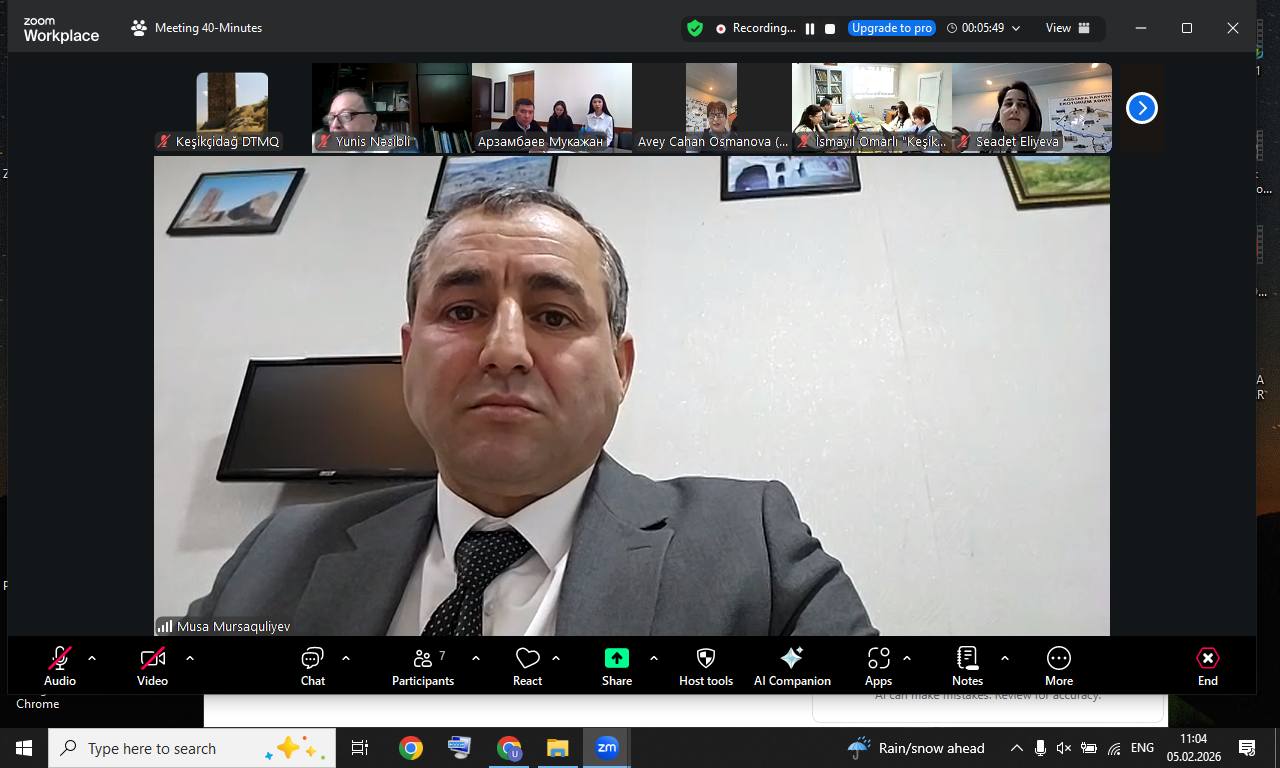
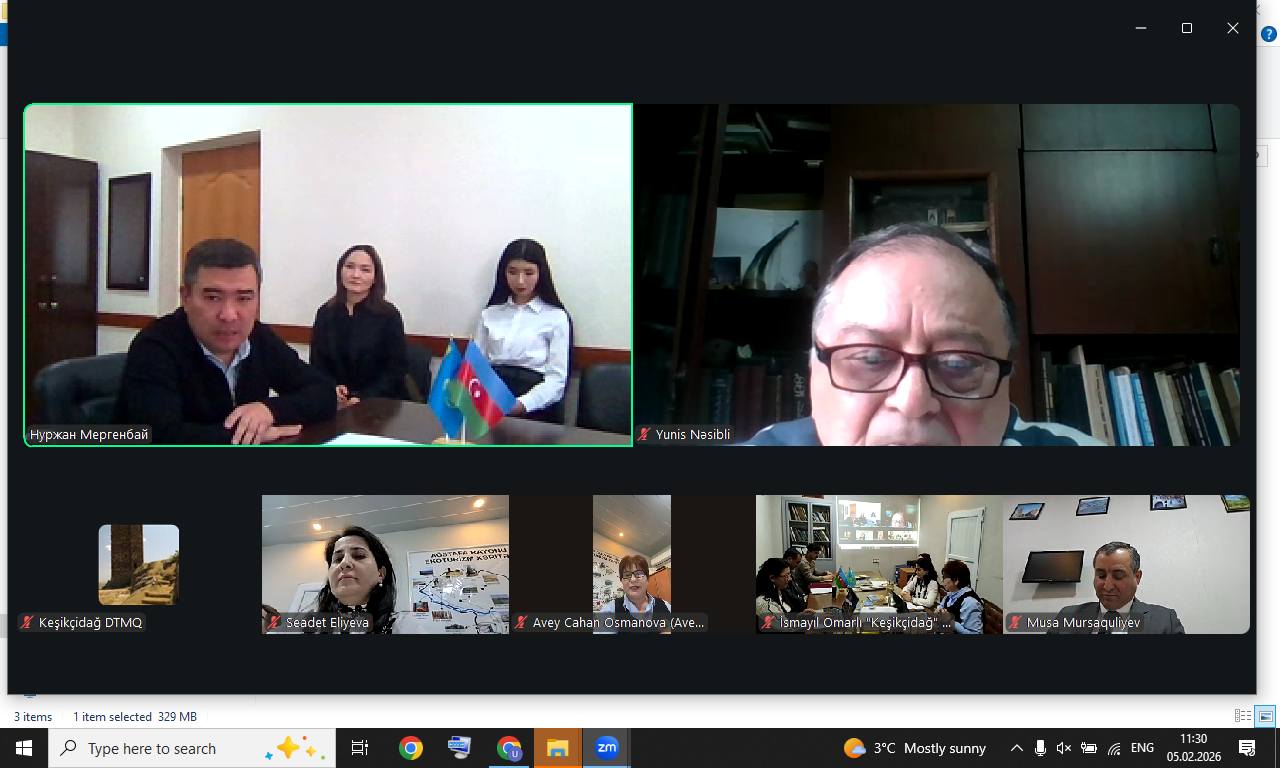
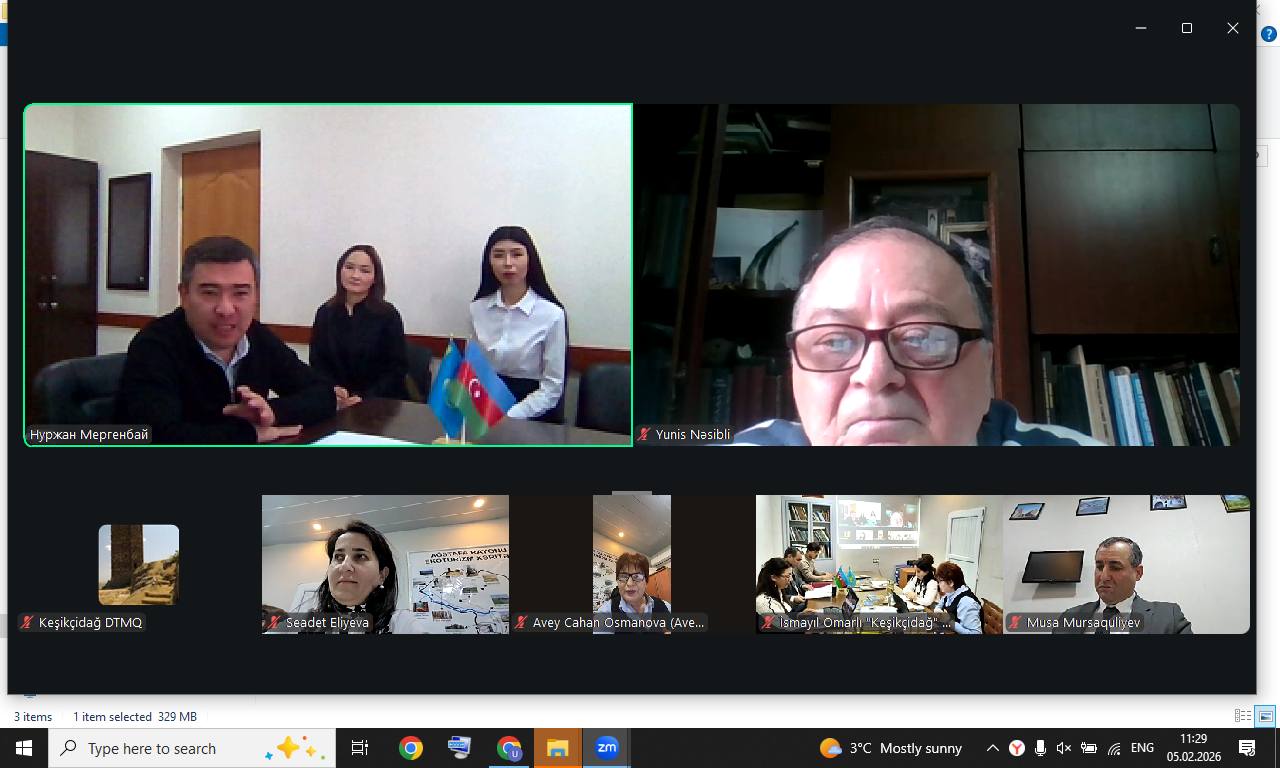
As a pivotal step in this direction, a Memorandum of Cooperation was signed between the “Keshikchidagh” Reserve and the “Ejeli Taraz Monuments” State Historical and Cultural Museum-Reserve of the Republic of Kazakhstan, with the participation of Associate Professor Yunis Nasibli, PhD in History, from Baku State University. This document holds strategic importance for the preservation, systematic study, and presentation of the common historical and cultural heritage of the Turkic world to the global scientific community.
The primary objective of the memorandum is to further enhance scientific research activities between the partner institutions, organize joint archaeological excavations and scientific expeditions, and strengthen cooperation in the scholarly study, conservation, and international promotion of material cultural artifacts. Furthermore, the document envisages the implementation of future joint projects, thematic exhibitions, international scientific conferences, and cultural exchange programs, alongside the expansion of expertise and information sharing at both scientific and institutional levels.
Within the framework of this memorandum, the “Keshikchidagh” and “Ejeli Taraz” reserves aim to achieve collaborative scientific results in investigating ancient centers of civilization, the developmental stages of historical-cultural relations, and integration processes within the region. These initiatives will significantly contribute to presenting the region’s rich archaeological potential to the world and fostering cultural diplomacy. This agreement is regarded as the beginning of a new era of scientific cooperation between the two reserves, establishing a robust institutional foundation for future archaeological research and international scientific projects. Notably, the “Avey” State Historical and Cultural Reserve, located in the Gazakh district, also participated in the signing ceremony.